Choosing a Chinese name is a unique opportunity to express your identity in a new language, but you should avoid simple transliteration to ensure your name sounds authentic and professional. The best names combine a surname that mirrors your native one with a given name that reflects your personal values or aspirations. By focusing on the meaning behind each character, you create a name that serves as an introduction to your personality rather than just a phonetic label. Start by selecting a surname, then build a two-character given name that flows well with it, ensuring you check the tone of each sound.
Select a meaningful surname
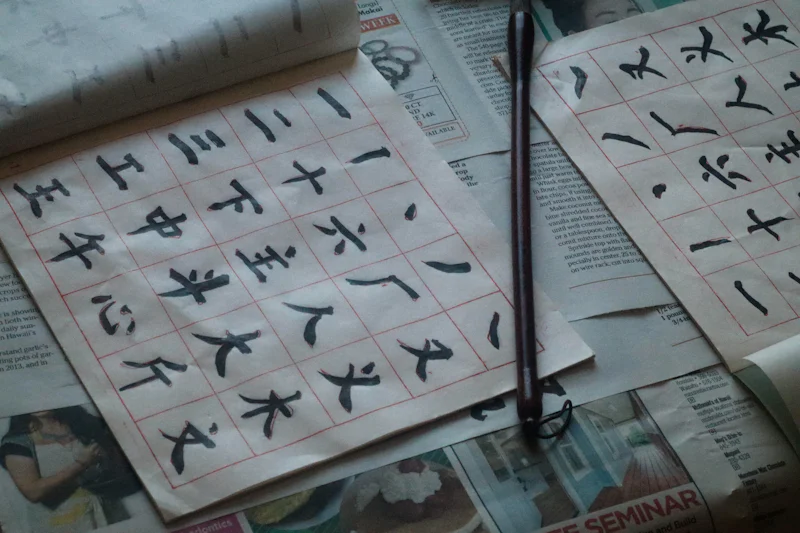
While you can choose any surname, most foreigners opt for a common Chinese surname that sounds similar to their own. For example, if your last name is Smith, you might choose 史密斯 (Shǐmìsī), which is the standard transliteration. However, if you want something more original, you can pick a single-character surname like 王 (Wáng), 李 (Lǐ), or 林 (Lín). Using a single-character surname is often seen as more traditional and easier for locals to remember. Aim for a surname that has a pleasant ring to it when paired with your chosen given name.
Choose characters with positive connotations
Chinese characters carry deep cultural meanings. Avoid choosing names based solely on how they sound, as you might accidentally pick a word with an unintended or embarrassing definition. Use tools like the Hanzi dictionary to look up the specific meanings of characters. For instance, if you value intelligence, you might use the character 睿 (ruì), meaning wise, or if you value nature, consider 森 (sēn), meaning forest. A professional name usually avoids slang or overly flowery language. Aim for a name that conveys virtues like integrity, wisdom, or kindness, which are highly regarded in Chinese society.
Test the pronunciation and tones
Even if a name looks perfect on paper, it must sound harmonious when spoken aloud. Chinese is a tonal language, and an awkward combination of tones can make your name difficult for others to pronounce. A good strategy is to choose a two-character given name where the tones balance each other out—for example, pairing a flat first tone with a falling fourth tone. Practice saying your full name to a native speaker and ask for feedback on its flow. If you find yourself constantly having to repeat your name, it might be too complex or phonetically clashing.
Verify the cultural context
Before finalizing your choice, consult with a trusted Chinese teacher or local friend to ensure your name does not inadvertently sound like a brand, a historical figure, or a common comedic phrase. Some combinations, while individually beautiful, might remind locals of a specific fictional character from a popular drama. Always check that your name follows the standard Xing-Ming (Surname-Given Name) format. Avoid using names that are strictly reserved for royalty or carry overly heavy historical baggage, as these can come across as pretentious in everyday settings.
Your Chinese name is a cultural bridge, so prioritize choosing characters that feel honest and meaningful to you while remaining respectful of local naming conventions. What is the most unique Chinese name you have heard during your time in China?
Quick Takeaways:
- Pair your original surname with a professional Chinese name that reflects your personal values.
- Use a dictionary to ensure characters do not have negative or unintended hidden meanings.
- Balance the tones of your name to ensure it is easy for locals to pronounce.
- Ask a native speaker to check your name for unintended cultural or historical connotations.
Culture&lang #chinesename #studychina
