Teaching in China is fundamentally different from the UK because it shifts the focus from child-centered discovery to a structured, performance-oriented environment. While the UK system emphasizes individual development and inquiry-based learning, the Chinese classroom is often driven by a top-down hierarchy and a high-stakes examination culture. Understanding these professional differences early is the single most effective way to prevent burnout and adapt your classroom management strategies. The transition requires a departure from 'the facilitator' mindset toward being a respected subject matter expert who works within a rigid institutional framework.
Workplace Hierarchy and Professionalism
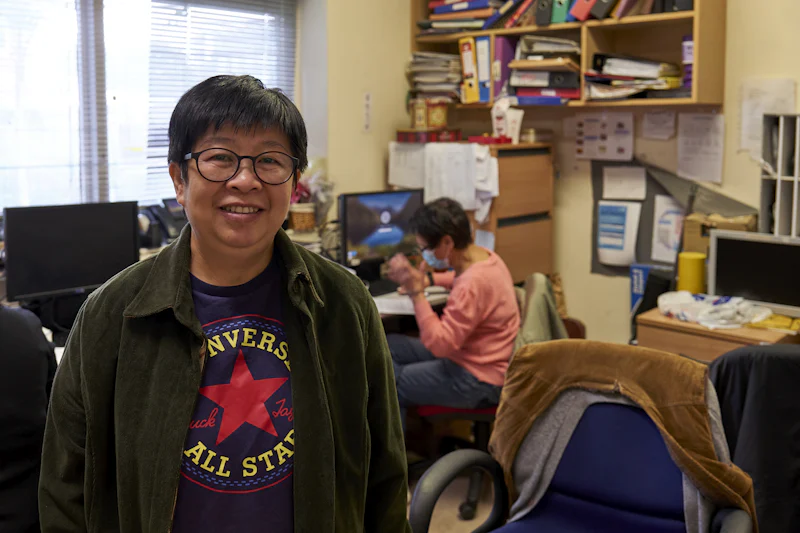
In the UK, schools often feature a collaborative flat structure where teachers might debate curriculum changes with senior leadership. In China, the hierarchy is distinct and rigid. You will likely report to a jiao wu chu (Academic Affairs Office) or a lead supervisor. Expect school meetings to be formal affairs where decisions from the top are to be implemented without extensive pushback. Respect for authority is deeply rooted, so if you have suggestions for classroom changes, present them as a formal proposal to your direct supervisor rather than suggesting them during large meetings. Punctuality and adherence to the daily schedule are paramount, as the kao qin (attendance) system is strictly monitored in almost every Chinese educational institution.
Navigating Student Expectations
Chinese students are generally accustomed to long hours and intense study sessions. While UK students might prioritize extracurricular engagement, Chinese students are often under immense pressure from parents to achieve high test scores. This creates a classroom environment where students are quiet, disciplined, and sometimes hesitant to participate in creative or open-ended discussions. To manage this, shift your approach from 'open discussion' to 'guided instruction.' Use clear, structured objectives at the beginning of every lesson. If you notice silence, avoid the UK-style 'wait time' approach; instead, use call-and-response techniques or small-group work where students feel safer sharing ideas before addressing the whole class.

Cultural Nuances in Communication
Effective classroom management in China relies on mianzi (face). Never reprimand a student publicly or in a way that causes them to lose face in front of their peers. Public shaming is counterproductive and can lead to immediate tension with both the student and the administration. If a student is consistently disruptive, address the issue privately or contact the homeroom teacher, known as the ban zhu ren. This individual is your strongest ally; they hold significant authority over student behavior and have a direct line to parents. Engaging the ban zhu ren early on ensures that you remain within the cultural norms of discipline while maintaining order in your classroom.
Adapting Your Lesson Plans
In the UK, you might spend a significant portion of your time on classroom management and behavior modification. In China, the classroom management struggle is different; it is often about keeping students motivated during long, repetitive practice sessions. Incorporate physical movement, visual aids, and interactive digital tools like Quizlet or local apps to break the monotony of exam preparation. Keep your instructions concise and translate key terms if necessary, as high-achieving students often worry about the linguistic accuracy of their output more than the creative expression.
Success as an expat teacher comes down to your ability to respect the local pedagogical structure while gently introducing your own effective teaching methodologies.
How do you handle the balance between maintaining classroom order and encouraging student creativity in your specific school environment?
- Respect the ban zhu ren as your primary point of contact for discipline.
- Avoid public reprimands to preserve the student's mianzi or face.
- Present feedback to leadership through formal channels rather than open meetings.
- Use structured objectives to align with the local focus on exam preparation.
#teachinginchina #expatlife #workin china
