No, there is currently no such thing as a 240-hour Transit Without Visa (TWOV) policy in China. The transit policies are strictly capped at 72 or 144 hours depending on your port of entry. If you are planning a trip from Shanghai to Chongqing, you must ensure your itinerary adheres to the specific 144-hour visa-free transit China rules, which require that you arrive from one country and depart for a different country, passing through designated transit zones. Misunderstanding these duration limits is a common reason for denied boarding at international airports.
Understanding the 144-Hour Transit Window
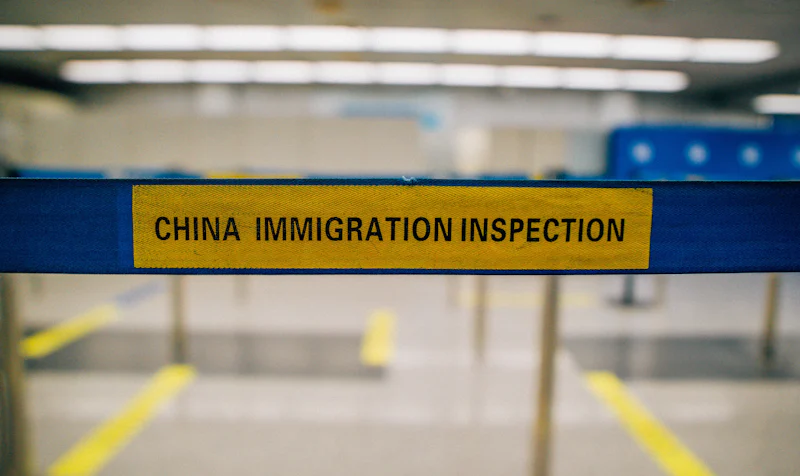
The 144-hour transit policy allows travelers from 54 eligible countries to enter China visa-free for up to six days. The clock starts from 00:01 on the day following your arrival. For an itinerary involving Shanghai and Chongqing, you are permitted to travel within the established administrative regions, which in this case includes the Shanghai municipality, Jiangsu province, and Zhejiang province, or the Chongqing municipality independently. You cannot simply combine any two cities in China; your entire transit must occur within specific designated zones approved by the National Immigration Administration (国家移民管理局).
Navigating Multi-City Itinerary Requirements
To qualify for the 144-hour transit visa, your journey must follow an A-to-B-to-C pattern. For example, if you fly from Tokyo to Shanghai, then Shanghai to Chongqing, your final exit must be from Chongqing to a third country or region, such as Singapore or Hong Kong (香港). You cannot return to your point of origin, such as flying back to Japan, as this would be considered a round trip rather than transit. Furthermore, you must possess a confirmed onward ticket and, if required, a visa for your destination country before you arrive in China.
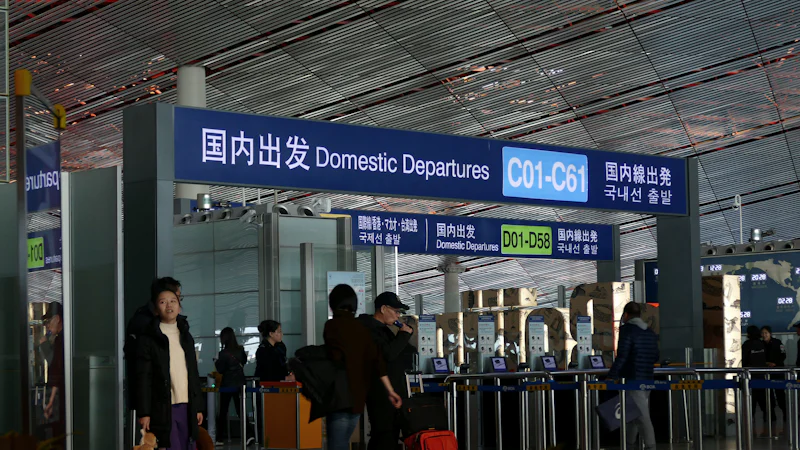
Common Pitfalls and Documentation
Many travelers fail to distinguish between the 144-hour policy and other visa types. Always ensure your passport is valid for at least three months beyond your scheduled departure date. Upon arrival, you must complete the Arrival/Departure Card for Foreigners and proceed to the specialized '144-Hour Visa-Free Transit' lane at immigration. Do not attempt to use the standard tourist queues. Additionally, you are legally required to register your residence within 24 hours of arrival; if staying at a hotel, the front desk handles this automatically via the hotel management system, but if you are staying with friends, you must visit the local police station (派出所) to file a temporary residence registration.
Practical Tips for Success
Before departure, print out all your flight itineraries and hotel bookings in both English and Chinese. Having these documents ready can significantly speed up your interaction with immigration officers. If you plan to use domestic flights between cities like Shanghai and Chongqing, ensure your flight ticket shows your international departure details to prove your transit status. If you encounter issues navigating local transport, 支付宝 (Alipay) can be linked to international credit cards for purchasing tickets or using ride-hailing services, which helps maintain a clear digital paper trail of your movements.
Reliably verifying your third-country departure flight is the single most important step to ensure you meet the criteria for China's transit visa policy. Have you ever successfully utilized the 144-hour transit policy to visit multiple Chinese cities?
Quick Takeaways:
- No 240-hour policy exists; 144 hours is the maximum limit for visa-free transit.
- You must travel from one country to China and then to a third country.
- Ensure your onward ticket to a third country is confirmed before starting your trip.
- Always carry printed proof of your arrival and departure flights for border control officers.
#chinatravel #visafree #transitvisa
