No, you cannot use an F-visa for tourism in China. The F-visa is strictly designated for non-commercial exchanges, such as academic research, scientific study, or professional lectures. Using an F-visa for general tourism is a direct violation of the conditions of your stay, as Chinese immigration law mandates that visas are used only for the purpose declared during the application process. Attempting to use a visa for a purpose other than its intended legal category can lead to fines, deportation, and potential bans on future entry, so it is essential to distinguish between the various visa classes before your trip.
The Fundamental Distinction: F-visa vs L-visa
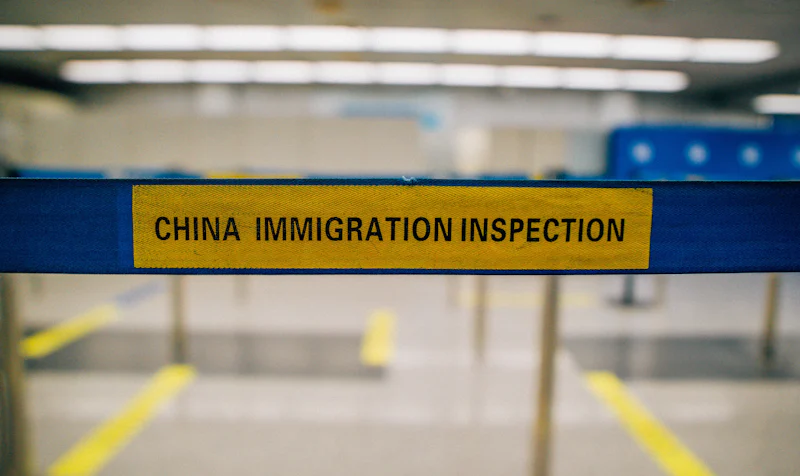
The most important takeaway is that the F-visa (fǎngwèn qiānzhèng — exchange visit visa) is fundamentally different from the L-visa (lǚyóu qiānzhèng — tourist visa). The F-visa is sponsored by a host organization in China that must provide an invitation letter, which outlines the specific timeline and nature of your professional or academic activity. In contrast, the L-visa is for individuals traveling independently or with agencies for sightseeing. Immigration officials at the border (biānjiǎn — border inspection) look for consistency between your stated activities and your visa category. If your visa is for an 'exchange,' you should not be spending your entire stay visiting national parks or urban tourist sites.
Allowed Activities Under the F-visa
The scope of the F-visa is limited to specific non-profit activities. These include attending conferences, participating in research programs, engaging in cultural exchanges, or short-term lectures. If your primary goal is to travel around China, you must apply for an L-visa. Many people mistakenly assume the F-visa is a 'catch-all' category for anyone not employed by a Chinese company. However, the authorities strictly monitor the activity logs provided by your sponsoring entity. If you are caught working or purely touring on an F-visa, you are operating outside your legal status.

Staying After Your Program Ends
A common scenario involves individuals who finish their official exchange program a few days early or have a weekend break and wish to travel. While a short weekend excursion within the city of your host institution is generally seen as reasonable, extended cross-country travel after your program ends is risky. If your sponsoring organization files your departure date with the Public Security Bureau (gōng'ān jú — Public Security Bureau), your F-visa status may be marked as complete. You should not assume that because your visa has a longer duration than your program, you are automatically permitted to remain in the country for leisure.
Avoiding Legal Complications
To ensure your stay remains compliant, always carry your passport and ensure your temporary residence registration (jū (jūzhù dēngjì* — temporary residence registration) is current. If you finish your exchange early and wish to switch to tourism, you would theoretically need to exit the country and apply for a new visa, as internal visa conversion from F to L is rarely granted. Relying on 'grey area' interpretations of visa rules is a dangerous approach in China, where immigration enforcement is supported by digitized systems that track the validity and purpose of every foreign visitor.
What has been your experience when navigating the distinctions between visa types at the point of entry?
Quick Takeaways:
- F-visas are for professional exchanges, not for personal leisure or tourism activities.
- Always apply for an L-visa if your main goal is sightseeing in China.
- F-visa holders must engage only in activities approved by their Chinese host organization.
- Internal conversion of an F-visa to an L-visa is rarely permitted by authorities.
#visatips #chinatravel #legalguide
