Local governments are shifting their approach to China urban rail spending 2026 by moving away from aggressive, debt-fueled expansion toward a model of operational efficiency and targeted connectivity. Rather than funding massive, sprawling networks regardless of demand, central authorities have tightened the oversight of local government debt and capital expenditure. This transition signals a pivot where new projects must now demonstrate a clearer path toward financial self-sustainment through TOD (Transit-Oriented Development), integrating commercial real estate and service hubs directly into transit nodes to drive ridership and revenue.
Stricter Approval for Infrastructure Projects
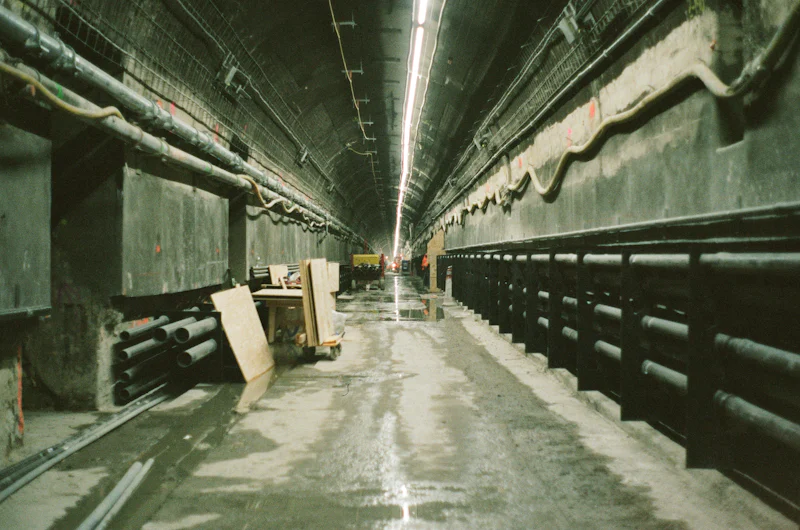
The era of rapid, expansive urban rail growth is being replaced by a process defined by fiscal caution. Under the current guidance, the National Development and Reform Commission (NDRC) has raised the thresholds for regional GDP and public budget requirements for cities seeking to build or expand metro systems. This shift is designed to curb the buildup of difang zhai (local government debt) that accrued during the previous decade of unchecked growth. For residents, this means that while construction timelines in smaller, tier-3 cities might slow, existing systems in tier-1 hubs like Beijing and Shanghai will focus more on renovation, automation, and expanding connectivity between suburban lines.
The Shift Toward Transit-Oriented Development
In cities like Chengdu and Hangzhou, the focus has moved toward TOD, a planning strategy that bundles high-density housing and retail around rail stations to maximize land value. Local governments are effectively using the land surrounding new lines as a revenue tool to offset the high capital cost of construction. By turning rail stations into vibrant, high-traffic commercial centers, municipalities can capture a portion of the increased real estate value. This strategy aims to ensure that when a new line is commissioned, it serves an immediate, dense population, reducing the reliance on government subsidies for day-to-day operations.
Economic Impacts for Tier 1 and Tier 2 Cities
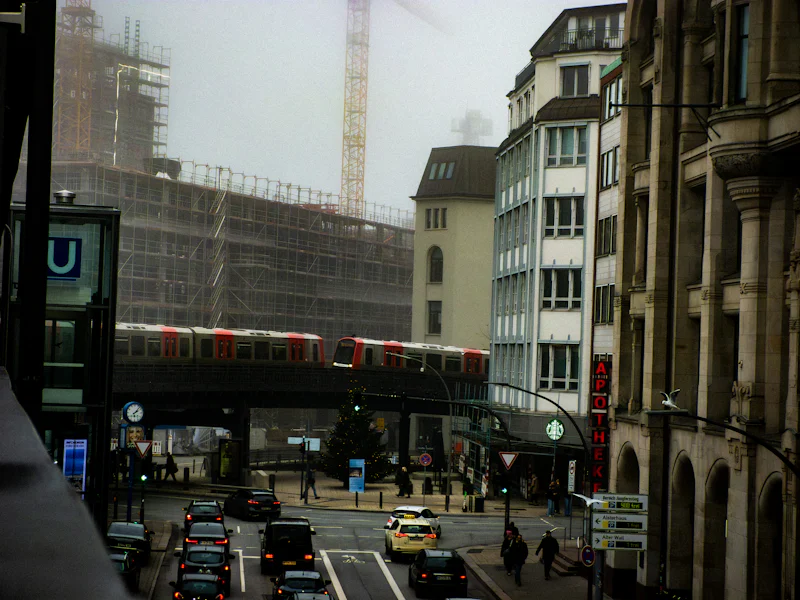
The economic climate in China's major metropolitan areas is recalibrating as public investment becomes more surgical. In tier-1 cities, the emphasis is now on 'smart' upgrades—integrating 5G technology and AI-driven traffic management to improve the efficiency of existing lines. Conversely, tier-2 cities are being encouraged to prioritize light rail or bus rapid transit (BRT) systems, which are significantly cheaper to build and maintain than traditional heavy-rail subways. This tiered approach is a strategic move to preserve fiscal stability while maintaining high levels of urban connectivity, ensuring that infrastructure supports economic clusters rather than just expanding physical footprints.
Evaluating Future Growth Trends
For those watching the infrastructure economy, the trend to observe is the move toward regional integration. We are seeing more 'intercity rail' projects that connect a core city with its satellite towns, such as the network linking Guangzhou and Foshan. By creating a da dushi quan (metropolitan circle), governments are effectively expanding the tax base and labor pool of the core city without the exorbitant costs of building additional independent subway lines. This holistic view of urban development suggests that the next phase of growth will be defined by connectivity and density rather than sheer mileage.
Sustainable urban development now requires balancing high-speed regional growth with the long-term fiscal health of the municipalities involved. How have you noticed the evolution of transit systems in your current city over the past few years?
Quick Takeaways:
- Approval thresholds for new rail projects are higher to prevent excessive local government debt.
- Cities are increasingly using transit-oriented development to generate revenue from land and real estate.
- Tier-2 cities are prioritizing cost-effective light rail and bus rapid transit over heavy subways.
- Infrastructure investment is now focusing on regional connectivity rather than expansive city-wide growth.
#urbanplanning #chinatech #infrastructure
