The AI industry in China is undergoing a massive shift that offers significant growth potential for foreign talent, provided you look beyond consumer-facing chatbots to the industrial and hardware sectors. While the hype cycle in Silicon Valley focuses heavily on large language models, China's 人工智能 (artificial intelligence) landscape is rapidly integrating into its robust manufacturing base. For professionals with specialized skills in robotics, edge computing, and industrial automation, the Chinese tech ecosystem is moving from a period of rapid speculative growth into a phase of deep, practical deployment across major industrial value chains.
Industrial Integration Beyond Consumer Apps
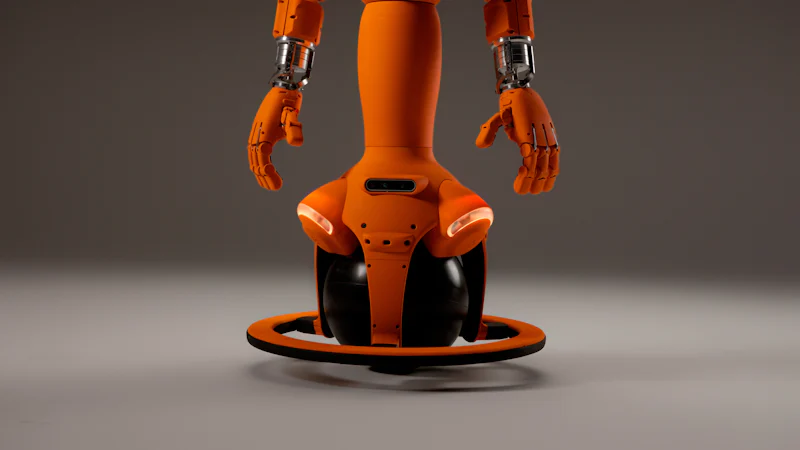
The most lucrative opportunities for foreign professionals currently exist in the intersection of AI and heavy industry. While many global observers monitor consumer software, the real action is in 智能制造 (smart manufacturing). Large-scale domestic firms are aggressively hiring engineers to implement predictive maintenance systems and automated quality control protocols. Unlike standard software development roles, these positions require an understanding of 物联网 (Internet of Things) infrastructure, as AI is being deployed directly onto the factory floor to optimize energy efficiency and production throughput.
Future Trends in Robotics and Autonomous Systems
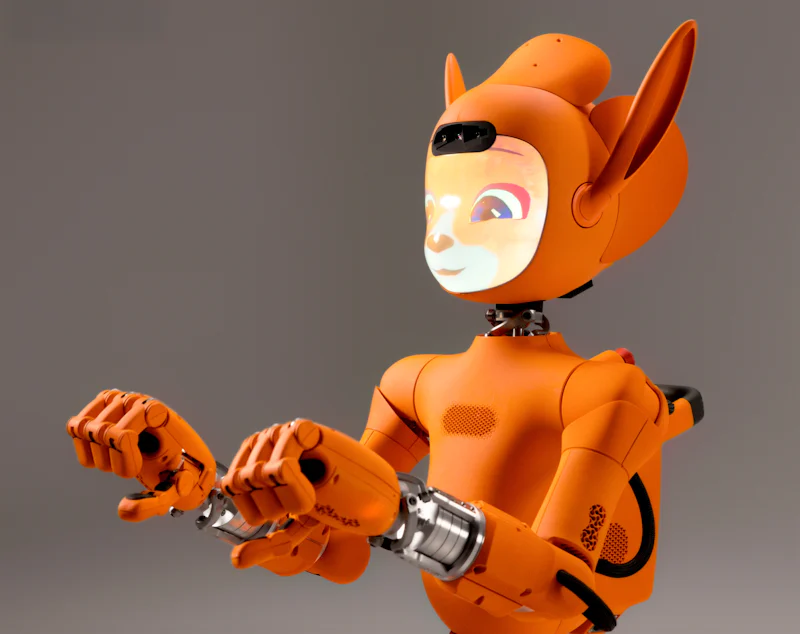
China’s commitment to the future of robotics is not just theoretical; it is backed by state-level policies like the 'Made in China 2025' initiative, which continues to influence capital allocation today. There is a high demand for talent capable of bridging the gap between hardware architecture and machine learning algorithms. Companies in the 自动驾驶 (autonomous driving) sector are particularly hungry for talent that can navigate the nuances of complex, high-density urban environments. If you possess experience in sensor fusion or computer vision, your expertise is directly applicable to the massive fleets of robotaxis being tested in tech hubs like Shenzhen and Shanghai.
Navigating the Tech Ecosystem as an Expat
To successfully pivot your career toward Chinese AI, you must understand the domestic development stack. Many local companies rely on specific ecosystems like 百度 (Baidu)'s PaddlePaddle deep learning framework alongside global standards. Building familiarity with these local tools is not optional; it is a prerequisite for high-level technical roles. Furthermore, networking is largely facilitated through professional platforms like Maimai or industry-specific WeChat groups. Being able to communicate how your background in global AI standards can enhance the efficiency of a local product cycle is the most effective way to position yourself for a competitive salary package.
Overcoming Barriers to Entry
Language remains a tangible barrier, but technical literacy in coding languages provides a universal language that mitigates this. However, the cultural shift lies in the speed of the Chinese 互联网 (internet) industry. Cycles are fast, and the expectations for project delivery are often accelerated compared to European or North American standards. It is important to look for firms that specifically target international markets, as they are often more structured to integrate foreign staff who may not have native-level Mandarin but possess niche expertise that the local market lacks.
Focusing on specialized hardware and industrial automation will yield significantly better career prospects in China than general software development. How are you adapting your specific technical skillset to fit the unique requirements of the Chinese industrial AI market?
Quick Takeaways:
- Target industrial automation and robotics sectors rather than general consumer AI applications.
- Master domestic development tools like PaddlePaddle to improve your employability in local firms.
- Leverage your experience in global standards to solve specific inefficiencies in Chinese manufacturing.
- Utilize platforms like Maimai for networking within the domestic tech ecosystem for better visibility.
#aiindustry #techchina #careerchina
