To understand the social dynamics and values you see in China today, you must look at the era of growing up in China 80s 90s, a period defined by rapid transition from a planned economy to a market-oriented society. This timeframe forged the pragmatic, industrious, and community-centric mindset that defines contemporary Chinese life. By examining the historical China daily life of this era, expats can better grasp why certain behaviors—such as extreme thriftiness, strong family interdependence, or a deep respect for educational attainment—remain cornerstones of modern Chinese society.
The Transition of Material Life
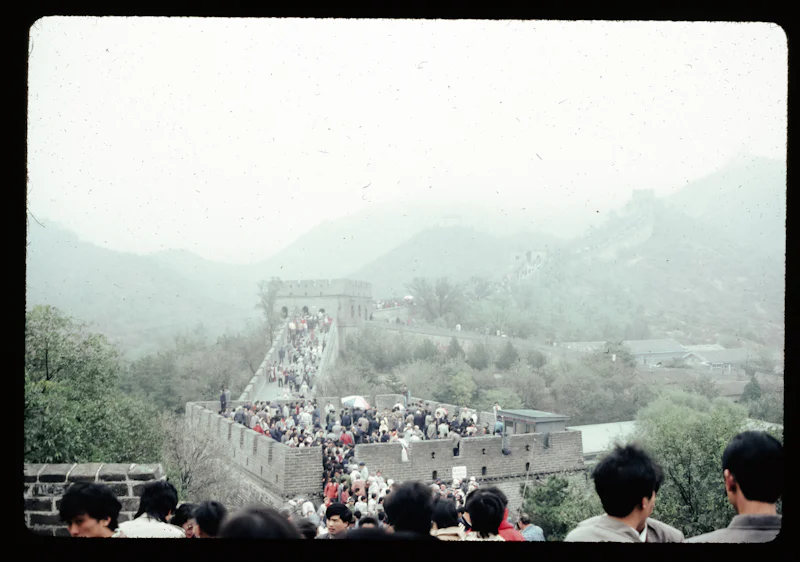
During the 1980s, most households relied on a system of ration coupons, known as 粮票 (liángpiào), to purchase necessities like rice, flour, and oil. The scarcity of goods meant that waste was socially unacceptable. For people who lived through this, the memory of limited resources created a permanent habit of frugality. Even today, you will notice that older generations in China are meticulous about reusing plastic bags or saving water. This is not just habit; it is a cultural legacy of a time when everything had to be used to its absolute limit.
Education as the Only Path
In the 1990s, as China began its economic opening, the 高考 (gāokǎo), or the national college entrance examination, became the primary gateway to social mobility. For families, education was the only way to secure a stable job within the emerging urban economy. This era cemented the cultural obsession with tutoring, supplemental classes, and late-night study sessions that define modern Chinese youth culture. If you find your colleagues or neighbors pushing their children toward intense extracurriculars, understand that this behavior is rooted in a collective memory where education was the singular ladder out of hardship.
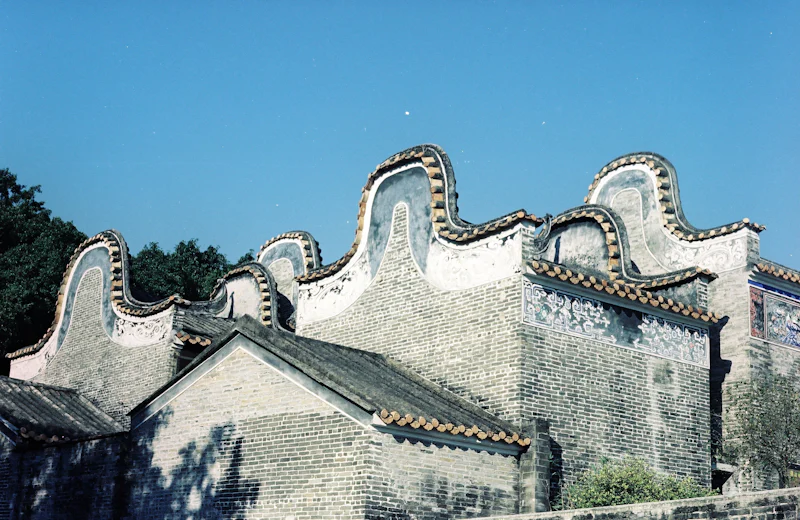
Social Change and Collective Memory
Before the ubiquity of 支付宝 (Alipay) or digital social networks, social life in the 80s and 90s was anchored by the 单位 (dānwèi), or work unit. The work unit provided housing, healthcare, and education for all employees. It fostered a unique sense of collective identity where privacy was secondary to community. As China moved toward a market economy, this communal structure began to dissolve, yet the expectation of social conformity and the importance of "saving face"—or 面子 (miànzi)—persists because individual status was historically tied to how one was perceived within that close-knit community structure.
The Pragmatism of the Modern Era
Perhaps the most defining trait inherited from the 90s is extreme adaptability. Those who grew up during this time witnessed their entire world change in just a decade. Markets replaced shops, private cars replaced bicycles, and the internet replaced traditional media. This rapid development fostered a culture that is inherently comfortable with change and fast-paced innovation. When you see modern Chinese business culture moving at a breakneck speed, recognize that it is a reflection of a society that learned to pivot its entire identity in under twenty years.
Recognizing that modern Chinese values are a direct response to the massive societal shifts of the late twentieth century helps contextualize the behaviors you witness in daily life. What observation have you made about your Chinese colleagues that you think might stem from these historical experiences?
Quick Takeaways:
- Frugality is a cultural legacy of the 1980s ration coupon era systems.
- Education remains the primary focus due to the historical importance of the gaokao.
- The work unit system instilled a long-standing emphasis on community and social harmony.
- Rapid societal shifts created a population that is inherently comfortable with constant technological change.
#chinalife #culturalhistory #expatexperience
