Navigating Chinese business culture for foreigners requires moving beyond the myth that success is solely dependent on who you know. While relationships are the bedrock of commerce, they are earned through sustained professionalism and respect for internal hierarchy rather than mere favors. The most effective approach involves balancing indirect communication, which prioritizes social harmony, with the rigorous standards of your professional role. By understanding the underlying mechanics of local workplace dynamics, you can transition from an outsider observing rituals to an integrated partner capable of fostering genuine, long-term collaboration.
Demystifying Guanxi and its Practical Limits
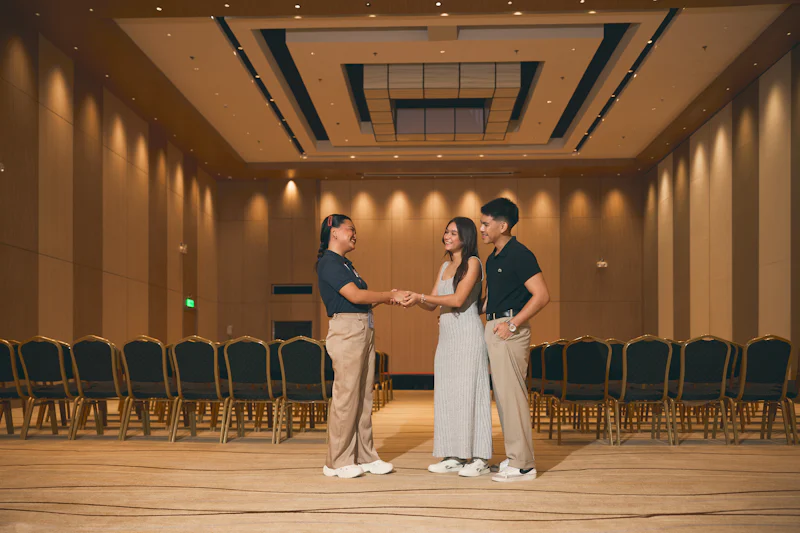
Guanxi (relationship/connection) is often misunderstood by expats as a shortcut to bypassing rules or ethical standards. In a professional context, it functions as a social currency built on mutual trust and 'face' (mianzi). It is not a magical key to shortcuts, but rather a foundation for reliability. To build guanxi, focus on consistency and small, reliable gestures rather than grandiose favors. Over time, this reliability transforms into a professional reputation that makes stakeholders more willing to advocate for your initiatives within the company.
Navigating Strict Workplace Hierarchy
Chinese workplaces often adhere to a clear, vertical structure. Decisions frequently cascade from the top down, and communication is expected to flow through defined channels. If you need approval for a project, do not jump over your direct supervisor to reach the leadership. Showing respect for your manager’s authority is essential to maintaining mianzi. Use formal titles such as 'Manager' or 'Director' followed by their surname during meetings, as this signals that you recognize their status and contribution to the team.

Embracing Indirect Communication Styles
Business communication in China often leans toward the indirect. A 'yes' in a meeting may signify that the person has heard you, not necessarily that they agree or are committed to a specific deadline. If a colleague says 'we will consider it,' it is often a polite way of expressing hesitation or disagreement. To avoid confusion, frame your questions to allow for nuanced responses. Instead of asking 'Is this done?', ask 'What are the current challenges preventing completion?' This gives your counterpart the space to be honest without losing face, which is vital for maintaining productivity.
Mastering After-Hours Relationship Building
Much of the real business 'bonding' occurs outside the office during meals. These dinners, or yingsou (business banquets), are not just about food; they are opportunities to see your colleagues in a relaxed, human context. While you do not need to drink heavily, participating in the conversation and showing interest in your colleagues' lives builds the human rapport necessary for professional loyalty. These settings are where you establish the personal trust that makes your day-to-day office interactions smoother and more collaborative.
Building successful professional relationships in China requires shifting your perspective from individual efficiency to collective harmony while maintaining your own professional boundaries. How have you balanced the pressure of workplace socializing with your personal boundaries while working in China?
Quick Takeaways:
- Prioritize long-term trust over shortcuts when building professional guanxi.
- Always respect the formal hierarchy and follow established communication channels.
- Interpret polite indirect responses as signals to investigate underlying concerns.
- Use after-hours dinners to cultivate personal bonds with your team.
#chinesebusinessculture #workandbiz #expatlife
