Your China visa-free transit itinerary is valid only if your journey follows a strict 'A-to-B-to-C' international route, meaning your arrival and departure must be from different countries or regions. Many travelers mistakenly believe they can stop in multiple cities within China under the 144-hour TWOV (Transit Without Visa) scheme, but the reality is that your transit window remains fixed based on your entry point, and all segments must be clearly documented to avoid being denied boarding by airline staff at your origin airport.
Understanding the International-to-International Rule
To qualify for the 72 or 144-hour visa-free transit, your itinerary must demonstrate that you are truly transiting between two different international jurisdictions. For example, a flight from London to Beijing and then Beijing to Tokyo qualifies. However, a domestic-to-domestic or domestic-to-international flight path does not. The most common point of failure is when travelers assume a round-trip ticket (e.g., USA-Beijing-USA) is a transit; it is not. You must show an onward ticket to a third country or region, such as Hong Kong or Macau, which are considered separate customs territories.
Managing Multi-City Stops Within China
If your plan involves visiting multiple cities, such as arriving in Shanghai, traveling to Hangzhou, and then departing from Shanghai, you are generally restricted to the Jing-Jin-Ji (Beijing-Tianjin-Hebei), the Yangtze River Delta, or the Pearl River Delta regions. You cannot transit in Shanghai and then fly to Beijing for a second transit period. Your 'clock' starts at the time of arrival, and you must depart from the same port or within the same designated transit region. Always carry a printed copy of your confirmed itinerary and a printout of the official 过境免签 (guòjìng miǎnqiān, transit visa-exemption) policy from the local immigration website to show ground staff.

Proving Your Eligibility at Check-in
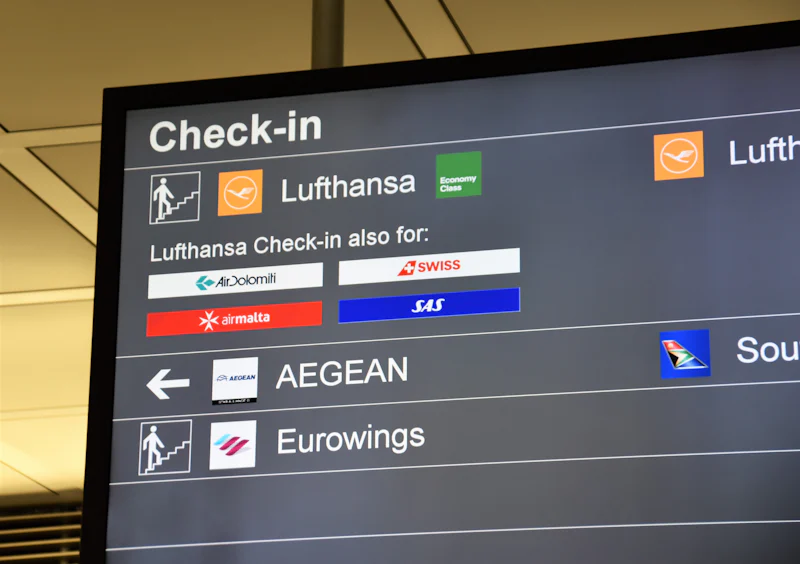
Airline staff at your departure airport are the gatekeepers of your journey, and they often lack deep knowledge of specific regional transit rules. To avoid being denied boarding, present a clearly printed itinerary that highlights your flight numbers, airport codes, and arrival/departure times. If you have a layover, ensure your departure flight is within the time limit. If an agent hesitates, politely ask them to check the TIMATIC (Travel Information Manual Automatic) system, which is the database airlines use to verify travel document requirements. Keep your phone charged and have a backup of your 行程单 (xíngchéngdān, travel itinerary) accessible offline.
Common Pitfalls to Avoid
Do not assume that all entry points allow for the same transit rules. While 144-hour transit is available in major hubs like Shanghai or Guangzhou, smaller airports may not have the same processing capacity. Furthermore, if your itinerary includes a 'technical stop' in another Chinese city before reaching your final destination, this might count as your entry into China, potentially invalidating your transit status or confusing border control. Always verify that your connection is direct or that your secondary Chinese stop is officially recognized as part of your transit region.
Your transit eligibility rests entirely on the ability to prove you have a confirmed, onward international departure within the designated timeframe. Have you ever encountered resistance from airline staff who were unfamiliar with these transit regulations?
Quick Takeaways:
- Ensure your itinerary travels between two different international countries or regions to qualify.
- Carry printed copies of your onward flights to show to airline check-in staff.
- Confirm your transit region permits travel between specific cities before booking your internal legs.
- Use the TIMATIC database to help airline agents verify your transit without visa eligibility.
#visatips #chinatravel #transitvisa
