Most AI gadgets you see on Douyin are sophisticated marketing gimmicks rather than essential tools for your daily life in China. While the high-energy livestream presenters make these devices seem like magic solutions to language barriers or productivity, the reality is that established, free software solutions consistently outperform these physical gadgets. If you are looking to improve your experience navigating life in China, prioritize apps and digital workflows over single-purpose hardware, as the hardware often suffers from poor battery life, clunky interfaces, or subscription-locked features that rarely justify the price.
The Reality of AI Translation Hardware
You will frequently see handheld AI translation devices marketed as essential for grocery shopping or taxi rides. In practice, these gadgets often struggle with the ambient noise of a busy street. Most of these devices rely on standard cloud-based APIs, meaning they require a stable internet connection to function. You already have a superior version of this hardware in your pocket. Using the camera translation feature in 支付宝 (Alipay) or the real-time transcription within 微信 (WeChat) offers better accuracy because these platforms are optimized for local dialects and regional terminology that niche hardware manufacturers often ignore.
Understanding Douyin Shopping Trends
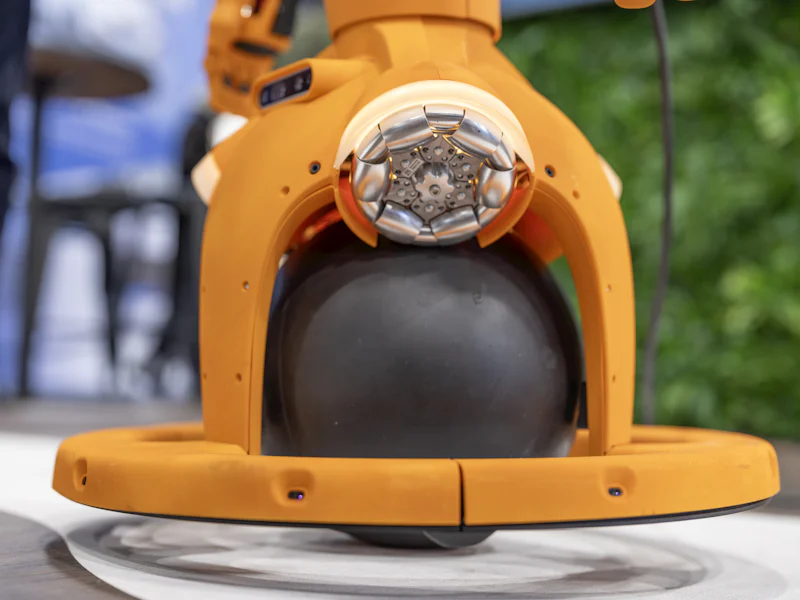
The phenomenon of "AI gadgets" on Douyin is driven by algorithmic promotion. A gadget that looks visually impressive—such as a small robot that scans documents or a smart pen that records meetings—often relies on 噱头 (gimmick) to drive impulse purchases. Many of these products are white-labeled electronics with minimal software support. If you do purchase a device, check if the firmware updates are localized for international users. Many AI devices sold on these platforms are strictly coded for the mainland market, meaning they may lack support for non-Chinese characters, rendering them useless for tasks like scanning your own international documents or labels.
Prioritizing Software Over Gadgets
Instead of investing in a 500-yuan smart scanner, look into the "Mini Programs" inside your 微信 (WeChat) interface. Many developers have launched powerful, AI-driven mini-programs that handle OCR (Optical Character Recognition) tasks for free or at a fraction of the cost. These tools are natively integrated with the ecosystem you are already using. For example, using 百度翻译 (Baidu Translate) or 有道词典 (Youdao Dictionary) allows you to build a personal library of recognized terms, something most physical AI gadgets cannot do. Relying on software ensures that your tools update automatically without you needing to replace hardware every year.
Assessing Utility for Expats
If you still wish to experiment with AI tech, evaluate it against three criteria: does it replace a task you currently struggle with, is the software ecosystem stable, and is there an offline mode? Most trending gadgets fail the third criterion. A digital assistant is only as good as its reliability when you are disconnected. If a device requires a constant tether to your phone or a slow cellular connection, it is merely an expensive accessory that adds friction rather than solving it.
Choose software-based tools that integrate into your existing digital ecosystem rather than cluttering your desk with single-use hardware that lacks long-term software support. Which specific "AI" device have you seen recently that tempted you to buy it?
Quick Takeaways:
- Most Douyin AI gadgets rely on standard APIs found in free phone apps.
- Software-based tools in Alipay and WeChat outperform most physical translation hardware devices.
- Prioritize devices that offer offline capabilities to ensure utility when cellular service fails.
- Check for software updates and international language support before purchasing niche electronics online.
#aigadgets #douyintrends #expatchina
