Applying for a Z visa from a third country is legally possible but heavily restricted, and in most cases, Chinese embassies abroad will only accept applications if you hold a valid long-term residence permit in that host country. While you might read anecdotal success stories about travelers using a tourist visa in places like Thailand, the reality is that the official policy dictates that you should apply for your work visa in your home country. Attempting to bypass this often results in a rejected application or a request to return to your country of citizenship for processing.
Understanding the Residency Requirement

To successfully apply for a China work visa application from Thailand or other neighboring hubs, you must provide proof of legal residency. A simple tourist entry stamp is rarely sufficient. Most Chinese embassies abroad require a 居住证 (jūzhùzhèng, residence permit) or a long-term visa issued by the local government of the country where you are currently located. Without this, the visa officer has the discretion to deny your application immediately. Always check the specific 'consular jurisdiction' rules on the embassy’s official website before booking any travel, as rules can change without notice.
The Notification Letter Process
Before you even step foot in a third-party country, you must have your 外国人工作通知 (wàiguórén gōngzuò tōngzhī, Notification Letter of Foreigner’s Work Permit) issued by the Ministry of Human Resources and Social Security in China. This document is the cornerstone of your Z visa application. Ensure that your employer has clearly specified the location of the embassy where you intend to pick up your visa. If your Notification Letter lists the embassy in your home country, the embassy in Bangkok or elsewhere will likely refuse to process it, necessitating a time-consuming administrative amendment.
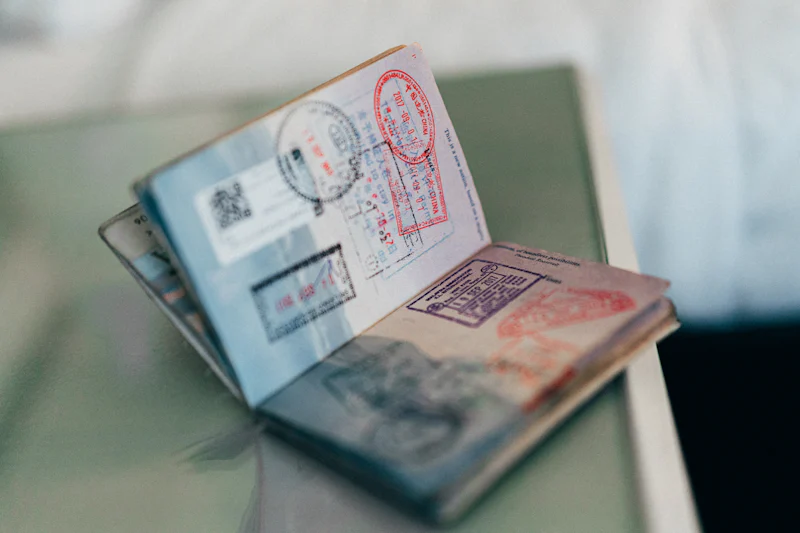
Essential Document Authentication
If you are traveling through a third country to handle visa logistics, ensure all your supporting documents are ready. Beyond the Notification Letter, you must have your original degree certificates, criminal background check, and marriage certificates properly authenticated. This usually involves a multi-step process: notarization by a notary public, authentication by the Ministry of Foreign Affairs in your home country, and finally, a stamp from the Chinese embassy in your home country. Trying to authenticate documents from a third country is notoriously difficult and often impossible for foreigners. Do not leave your home country without having these documents finalized and ready for the visa officer to inspect.
Handling the Residence Permit Transition
The Z visa is merely an entry visa valid for usually 30 days. Your true legal status begins only after you enter China and convert this visa into a 居留许可 (jūliú xǔkě, residence permit). This must be done within 30 days of arrival at the local 出入境管理局 (chūrùjìng guǎnlǐ jú, Exit-Entry Administration). If you apply from a third country, you are essentially betting that your documentation will pass a stricter scrutiny process. If there is a minor discrepancy in your name, spelling, or date of birth on your translated documents, the embassy is far more likely to reject a non-resident applicant than someone applying from their country of citizenship.
Preparation is the single most important factor when navigating cross-border visa applications, as the margin for error is non-existent.
Has anyone here successfully secured a Z visa while holding only a tourist visa in a neighboring country, and what specific documentation did they require from you?
Quick Takeaways:
- Ensure you hold a valid residence permit for the country where you are applying.
- Confirm your Notification Letter lists the correct embassy location before leaving your home country.
- Complete all required document authentications in your home country before starting your international travel.
- Transition your Z visa to a residence permit within 30 days of entering China.
#visatips #expatchina #workvisa
