For most expats moving to China, a global iPhone is superior to a China-region device because it preserves access to essential international features that are restricted on local models. While Chinese iPhones are fully compatible with local 5G networks, they lack FaceTime Audio, certain emoji sets, and, most importantly, the ability to store eSIM profiles. Unless you specifically require the dual-physical-SIM capability that is exclusive to China-region models, keeping your international device will ensure a more seamless experience with global services while still functioning perfectly with local apps like 支付宝 (Alipay) and 微信 (WeChat).
The eSIM Limitation

The most significant hardware difference lies in the SIM tray. International iPhones are increasingly transitioning to eSIM-only or eSIM-plus-physical-SIM configurations. China-region iPhones are strictly dual-physical-SIM devices. If you rely on travel eSIMs for international trips, you will lose this functionality if you switch to a domestic phone. While physical SIMs remain the standard for domestic carriers like China Mobile, the lack of eSIM support on local models means you cannot leverage the convenience of apps like Airalo or Holafly when you leave the mainland for holidays.
Apple Services and Restrictions
Global iPhones connect to the international version of the App Store, whereas China-region iPhones are hard-locked to the China App Store. This is a critical distinction. The China App Store is missing a significant number of global applications, including many VPN services, specific news outlets, and foreign banking apps. While you can sign into a foreign Apple ID on a Chinese iPhone to download apps, the device will periodically prompt you to switch regions or may restrict certain updates. A global iPhone maintains its region-specific identity, allowing for a cleaner software experience without the regional restrictions imposed on local firmware.
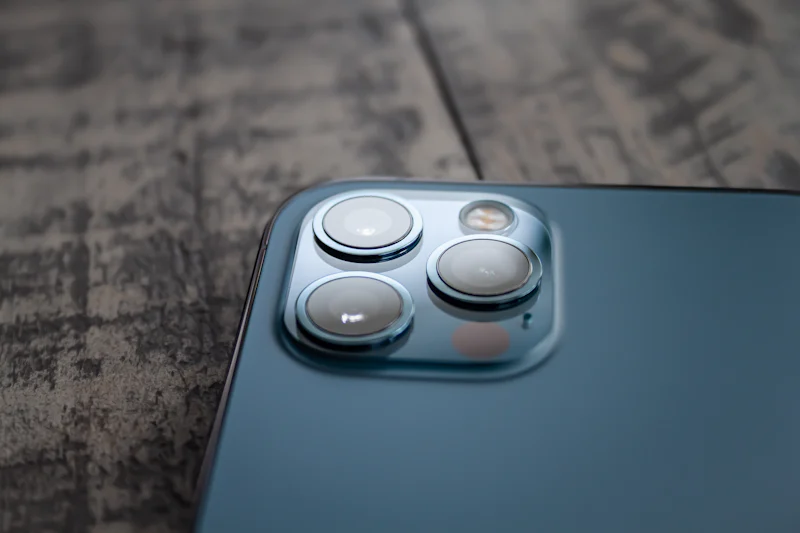
Network Compatibility and Hardware
Both versions support all major Chinese network bands, including the specific 5G frequencies used by 中国电信 (China Telecom), 中国联通 (China Unicom), and 中国移动 (China Mobile). There is no technical disadvantage to using an international device regarding call quality or data speeds. The only physical trade-off is the lack of a second physical SIM card slot, which only matters if you intend to carry two separate local carrier numbers simultaneously. If you only need one Chinese phone number, your international device is perfectly adequate.
Navigating Regional App Store Issues
If you find yourself using a China-region iPhone, you will encounter the 限制 (restriction) on certain apps. Many global developers opt not to release their apps on the Chinese store due to compliance requirements. To circumvent this, many users maintain two separate Apple IDs—one for their home country to download specific apps and one for China to handle local payments or region-locked services. This is manageable but adds unnecessary friction to your digital life in China compared to simply using an international device that allows you to set your region to your home country permanently.
Ultimately, the choice comes down to whether you prioritize the convenience of dual physical SIM cards over the flexibility of international eSIMs and unrestricted App Store access. Which feature is more important for your daily mobile usage in China?
Quick Takeaways:
- Global iPhones offer unrestricted access to international App Store content and essential global apps.
- China-region iPhones lack eSIM support, limiting your ability to use travel data services easily.
- Dual physical SIM cards are only available on China-region hardware, which may be beneficial.
- Network speeds and 5G connectivity are identical between global and China-region device models.
#iphonetips #expatchina #techguide
