Planning a successful multi-city China travel route requires prioritizing geography and high-speed rail connectivity over traditional distance-based mapping. The most effective way to design your itinerary is to work along the major arterial rail lines, which connect primary metropolises in under five hours, while ensuring your plan aligns with the 144-hour visa-free transit rules. By treating the country’s high-speed rail network as a single integrated system rather than disparate bus or train journeys, you can maximize your sightseeing time while minimizing the fatigue of long-distance transit.
Optimizing Your High-Speed Rail Strategy
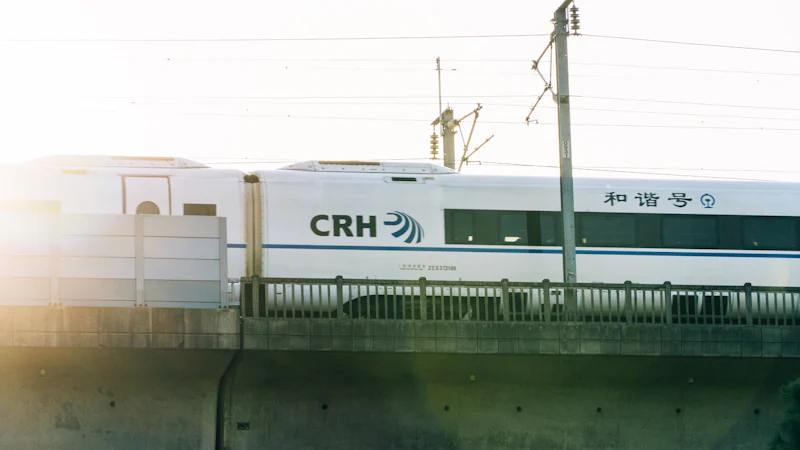
The foundation of any China domestic travel trip is the 高铁 (high-speed rail) network. You should prioritize booking your tickets through the 12306 app, which is the official portal for China Railway. When planning, aim for a maximum transit time of four hours between major hubs like Beijing, Shanghai, and Nanjing. The rail stations are often located near the city centers or are connected to the local metro, meaning you save significant time compared to airports, which are frequently situated far from the urban core.
Adhering to the 144-Hour Visa Transit Rules
If you are traveling through China without a standard visa, you must utilize the 144-hour visa-free transit policy correctly. This policy allows you to enter specific regions for up to six days without a visa, provided you arrive from one country and depart for a different third country. For example, you can arrive in Shanghai, visit Suzhou and Hangzhou, and depart from a Shanghai airport to a third destination. It is critical to stay within the designated geographical areas—such as the Beijing-Tianjin-Hebei cluster or the Yangtze River Delta—as leaving these regions will result in a violation of your transit status.
Sequencing Your Cities Logically
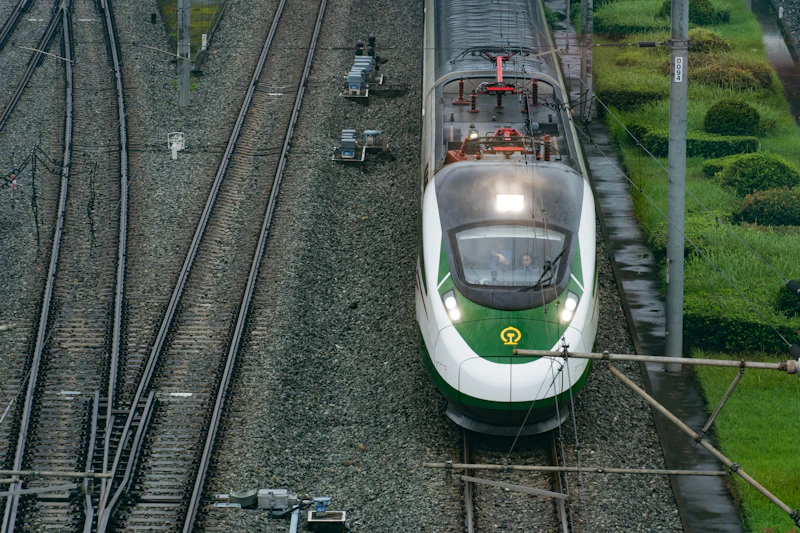
Avoid zig-zagging across the map. A common mistake is attempting to visit cities that are thousands of kilometers apart in a short timeframe. Instead, focus on a corridor. The Beijing-Shanghai line is the most efficient, offering stops in Jinan and Xuzhou that are perfect for day trips or overnight stays. If you are starting in the south, the Guangzhou-Shenzhen-Hong Kong high-speed rail link provides the easiest entry point for international travelers. Use 支付宝 (Alipay) or 微信支付 (WeChat Pay) to book your tickets, as these platforms integrate seamlessly with the rail ticketing services.
Avoiding Common Scheduling Pitfalls
Many travelers fail to account for the "Golden Week" holidays or public holidays like 中秋节 (Mid-Autumn Festival). During these times, high-speed rail tickets sell out within minutes of being released, which is usually 15 days in advance. Always book your seat as soon as the window opens. Additionally, ensure your hotel provides a registration form, as you will need to register your stay with the local police, known as 住宿登记 (accommodation registration), whenever you move to a new city.
Effective trip planning relies on combining logical geographical clustering with the strict adherence to transit region boundaries provided by local visa regulations. What is the most challenging city pair you have attempted to navigate using China’s rail network?
Quick Takeaways:
- Use the 12306 app to book high-speed rail tickets 15 days in advance.
- Ensure your itinerary stays within the designated 144-hour visa-free transit regional zones.
- Travel between major city hubs using high-speed rail for maximum time efficiency.
- Complete your accommodation registration immediately upon checking into every new city hotel.
#travelchina #highspeedrail #chinatips
