Yes, foreigners can legally purchase and ride motorcycles in China, provided they navigate the specific licensing and registration requirements mandated by local authorities. While the process is achievable, it is not uniform; regulations regarding engine displacement, plate eligibility, and restricted zones change drastically between Tier 1 cities and smaller provincial towns. Owning a motorcycle requires a valid Chinese motorcycle license and a locally registered license plate, which can be difficult to obtain in cities with strict 'ban-motorcycle' policies. Preparation and local research are essential to avoiding legal complications on the road.
Obtaining the Required Motorcycle License
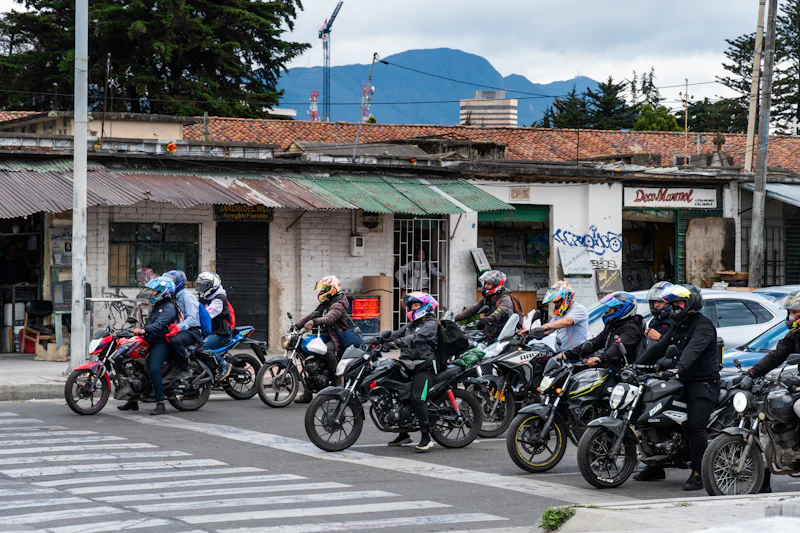
To legally operate a bike, you must hold a Chinese motorcycle driver's license, typically classified as an E license (for two-wheeled motorcycles) or D license (for three-wheeled or two-wheeled motorcycles). If you already possess a valid foreign motorcycle license, you may be eligible to take a written test in your preferred language to convert it. This involves visiting the local Vehicle Management Office (Che-guan-suo). If you do not have a foreign license, you must enroll in a government-approved driving school, complete the required hours of practical training, and pass both theoretical and road tests. The theoretical test consists of 100 questions; you must score 90 or higher to pass.
Navigating Motorcycle Registration and Plates
Buying a motorcycle is the easy part, but registering it is a complex administrative hurdle. Before purchasing, verify if your city allows new motorcycle registrations. Many cities utilize a quota system or 'yellow plate' versus 'blue plate' zoning. Yellow plates (Huang-pai) generally allow for larger engine capacities and highway access, while blue plates (Lan-pai) are often restricted to smaller, scooter-style bikes. Ensure the dealership provides the Gou-zhi-shui (Vehicle Purchase Tax) documentation and the He-ge-zheng (Certificate of Conformity), as these are mandatory for the registration process at the Vehicle Management Office.

Evaluating the Second-Hand Market
For those looking to buy a motorcycle in China, the second-hand market is vast but requires caution. Platforms like Xianyu (the second-hand marketplace feature within Alipay) are popular, but verifying the bike's legal status is critical. Always check that the vehicle has a legitimate license plate and that the registration title is clear of liens. Never purchase a motorcycle that lacks a legal plate or cannot be transferred to your name, as 'black plates' or unregistered vehicles are subject to immediate seizure by local traffic police. Always bring a Chinese friend or a professional mechanic to inspect the bike and confirm the paperwork matches the VIN number.
Securing Mandatory Insurance
Operating a motor vehicle in China requires a mandatory traffic accident liability insurance known as Qiang-zhi-xian. This insurance must be purchased before you can register the vehicle or obtain your plate. Many riders also opt for 'Commercial Third-Party Liability' insurance for added protection. Prices vary based on the motorcycle's engine size and the provider. Use major insurers like PICC (The People's Insurance Company of China) to ensure your coverage is recognized nationwide and to facilitate easier claims processing should an incident occur.
Understanding the local city traffic regulations is more important than the actual purchase, as many central business districts have specific hours or total bans on motorcycle access. What has been your experience dealing with local traffic police regarding motorcycle registration in your current city?
Quick Takeaways:
- Obtain a valid E or D class motorcycle license through the local vehicle office.
- Verify if your city permits new plate registrations before purchasing any motorcycle.
- Always ensure the vehicle's title and tax documentation are complete and authentic.
- Purchase the mandatory Qiang-zhi-xian traffic insurance before attempting to register your bike.
#motorcycleinchina #expatschina #livinginchina
