Studying Chinese language efficiently requires a hybrid approach that balances the systematic rigor of academic coursework with the chaotic but essential real-world application of daily immersion. While university programs offer a structured roadmap toward passing the 汉语水平考试 (Hanyu Shuiping Kaoshi, HSK) proficiency test, true mastery rarely happens within a classroom alone. The most efficient learners treat their formal lessons as a skeleton, which they then flesh out with language apps and social interaction to reach true fluency faster than a solo study plan would allow.
Structured University Programs Versus Self-Study
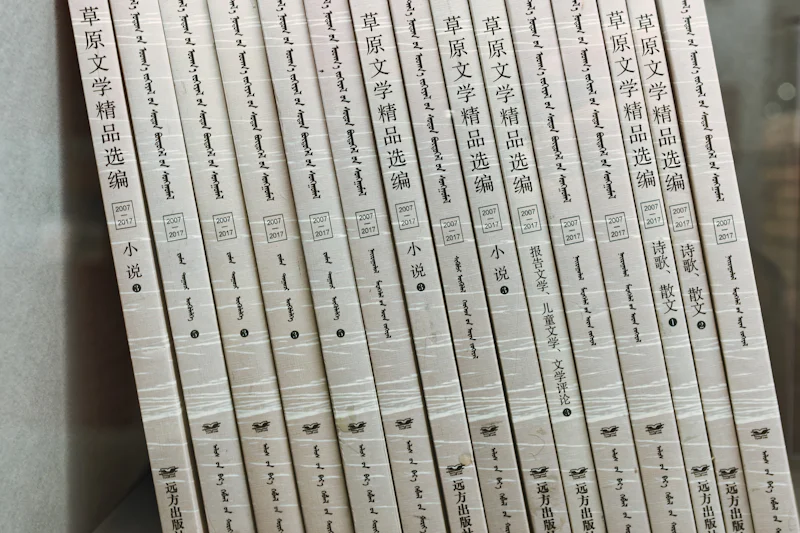
Enrolling in a university program provides a controlled environment to master 汉字 (Hànzì, Chinese characters) and grammar structures. These programs follow a predictable syllabus, moving students from beginner levels to HSK 5 or 6 through consistent feedback from instructors. The main pitfall of university study is the pace; it can feel rigid if you have specific professional needs. Conversely, self-study offers flexibility but lacks the accountability and linguistic correction found in a classroom. For most expats, a hybrid strategy works best: utilize a university setting for grammar foundations and use independent time for targeted vocabulary relevant to your life or career.
Leveraging The Best Chinese Language Apps
Technology is your greatest tool for bridging the gap between theory and practice. Apps like Pleco serve as the industry-standard dictionary, indispensable for looking up unknown characters in real-time. For vocabulary retention, Anki uses spaced-repetition algorithms to ensure you do not forget characters once you have learned them. If you prefer a more game-like experience, HelloChinese is excellent for beginners to grasp foundational sentence structures before transitioning to more complex materials. Remember that apps should supplement your learning, not replace human interaction. Aim to spend at least 20 minutes a day using these tools to maintain momentum.

Mastering Language Through Total Immersion
Living in China provides an environment that no textbook can replicate, provided you step out of the "expat bubble." Practical immersion involves forcing yourself to navigate daily tasks in Chinese. Use apps like 美团 (Měituán, food delivery) or 高德地图 (Gāodé Dìtú, Amap) entirely in Chinese to learn survival vocabulary. Engaging with locals at a 菜市场 (cài shìchǎng, wet market) or joining local hobby groups allows you to practice tone and rhythm in high-stakes, natural settings. This active engagement turns passive textbook knowledge into "muscle memory" for your tongue, which is the secret to sounding more like a native speaker and less like a student.
Managing Your HSK Preparation
If your goal is to pass the HSK, treat it as a specific exam rather than general language acquisition. Focus on past papers and prioritize the vocabulary lists provided by the official exam guidelines. However, do not let test preparation eclipse actual speaking practice. Many students pass HSK 5 but struggle to order a simple coffee because they neglected listening and speaking. Dedicate 70 percent of your time to course or app study and 30 percent to speaking with native speakers to balance accuracy with fluency.
True efficiency is not about how many hours you log in a classroom, but how effectively you apply your learning to your immediate surroundings.
What is the biggest barrier you face when trying to move from textbook Chinese to speaking with locals in your city?
Quick Takeaways:
- Combine university structure with digital tools for the fastest route to HSK mastery.
- Use Pleco for daily dictionary needs and Anki for efficient vocabulary retention.
- Navigate daily life using Chinese-only interfaces to build practical, survival-level fluency.
- Dedicate at least 30 percent of your study time to speaking with native speakers.
#chineselanguage #learnchinese #hskstudy
