Learning Chinese through the lens of regional cuisine is the most effective way to accelerate your language acquisition because food acts as the primary social currency in China. By focusing on regional dishes, you move beyond textbook memorization into the practical world of local customs, allowing you to bridge the gap between being a tourist and becoming an integrated member of the community. Understanding why a city eats what it eats provides the context necessary to use the language naturally in real-world social settings.
Vocabulary Building Through Menu Mastery
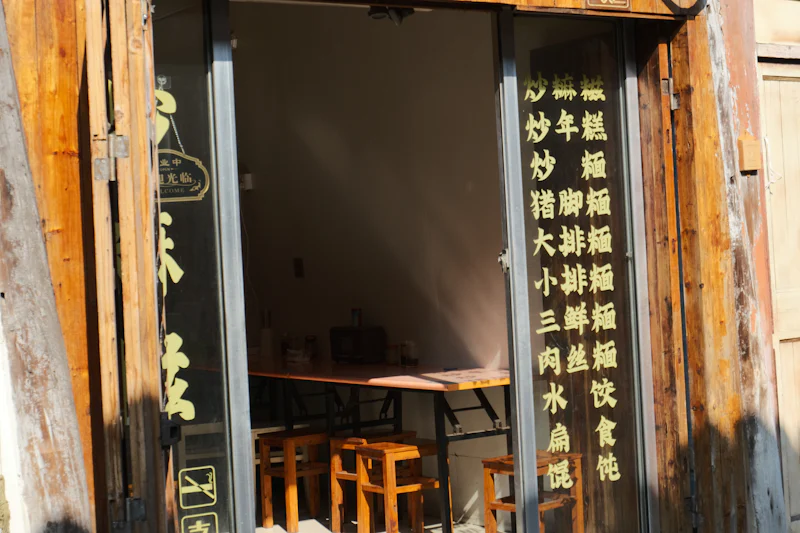
When you start ordering food at a local restaurant, you encounter specific vocabulary that standard classroom lessons often omit. Learning the names of ingredients—like 辣椒 (làjiāo - chili pepper), 香菜 (xiāngcài - cilantro), and 花椒 (huājiāo - Sichuan peppercorns)—is far more practical than memorizing abstract nouns. Many menus are organized by cooking method, such as 炒 (chǎo - stir-fry) or 炖 (dùn - stew). By familiarizing yourself with these characters, you gain the ability to predict the flavor profile of a dish before you even taste it. Use apps like 大众点评 (Dàzhòng Diǎnpíng) to read reviews; the comments section is a goldmine for colloquial phrases used to describe texture and flavor, such as 软糯 (ruǎnnuò - soft and sticky) or 脆爽 (cuìshuǎng - crispy and refreshing).
Regional Cuisine as a Cultural Key
China’s culinary landscape is divided into eight major traditions, each offering a distinct way to understand regional geography and history. For example, if you are living in Wuhan, you will encounter the breakfast culture of 热干面 (règànmiàn - hot dry noodles). The act of eating breakfast on the street is a social ritual that defines the local pace of life. Engaging with vendors about these specialty foods is an effortless way to initiate conversations. When you ask a local, "这是武汉最地道的吗? (Is this the most authentic Wuhan style?)," you aren't just learning grammar; you are signaling respect for local identity. This creates a positive feedback loop where locals are more likely to correct your pronunciation or teach you local idioms.

Navigating Social Etiquette at the Table
Dining in China is rarely just about sustenance; it is a complex social performance. Understanding regional preferences helps you navigate common dining taboos. In the north, it is common to order dishes to be shared, while in some southern regions, individual bowls are more prevalent. You must master the phrase 买单 (mǎidān - check please) and learn how to use 支付宝 (Alipay) or 微信支付 (WeChat Pay) to handle the bill, as splitting the check is rare. By showing that you understand the nuance between a formal business dinner and a casual neighborhood meal, you demonstrate a level of cultural intelligence that earns you immediate social capital.
Practical Steps for Rapid Integration
To maximize your learning, visit a new regional restaurant every week. Start by ordering a signature dish and asking the server for the "招牌菜 (zhāopáicài - signature dish)." Take a photo of the menu and translate the items you don't recognize. Avoid chain restaurants that cater to international palates; instead, seek out "苍蝇馆子 (cāngyíng guǎnzi - hole-in-the-wall restaurants)" where the interaction is raw and the language used is authentic. This approach forces you to use your Chinese in high-stakes, real-world situations, which is the fastest way to achieve fluency.
Focusing on the stories behind regional ingredients transforms your language study from a tedious chore into an immersive cultural exploration. Which regional dish has been the most difficult to describe to your Chinese friends, and what vocabulary did you have to learn to explain it?
Quick Takeaways:
- Use 大众点评 to practice reading food reviews and expand your vocabulary
- Ask for the 招牌菜 to naturally engage staff in authentic local conversation
- Learn the eight major culinary regions to understand local social customs better
- Visit 苍蝇馆子 for real-world practice that textbooks cannot possibly simulate
#cultureandlang #learnchinese #chinesefood
