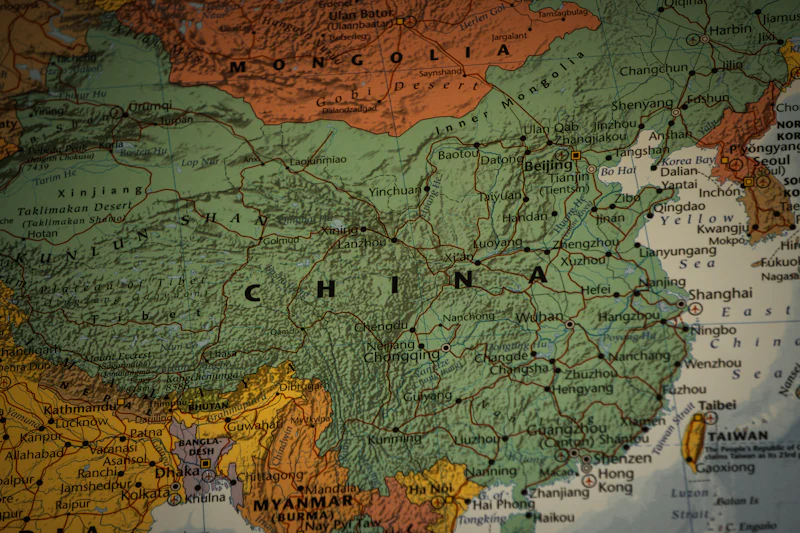
Creating the perfect 3-week China itinerary requires prioritizing a 'hub-and-spoke' model that balances the frantic energy of Tier-1 metropolises with the serene depth of regional cultural sites. Rather than attempting to see every province, you should anchor your trip in the high-speed rail corridor connecting Beijing, Xi’an, and Shanghai, while dedicating specific days to peripheral excursions. The secret to successful China travel route planning is minimizing hotel transitions to avoid the fatigue of domestic travel, allowing you to absorb the distinct atmosphere of each region rather than simply checking sites off a list.
Utilize the High-Speed Rail Network
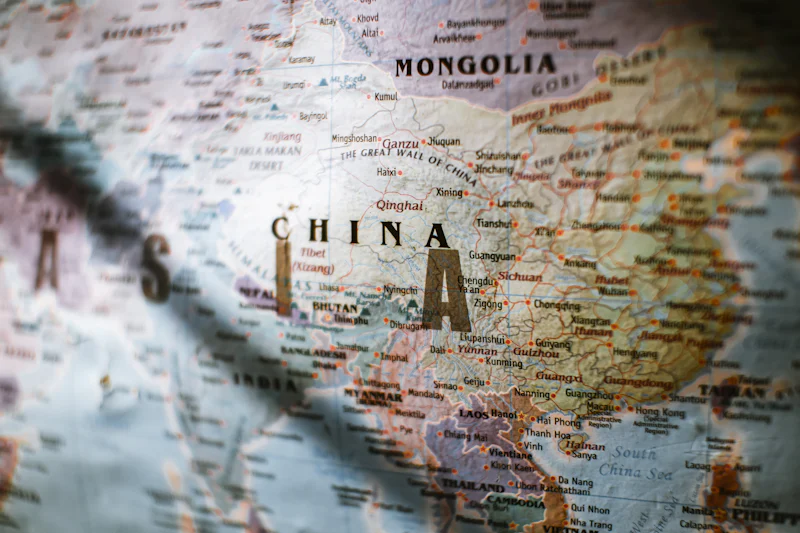
The backbone of your trip will be the 高铁 (gāotiě), or high-speed rail, which is significantly more efficient than domestic flights for distances under 1,000 kilometers. Use the 铁路12306 (Railway 12306) app to book tickets in advance, as popular routes often sell out during weekends. For a 3-week plan, allocate 5 days for Beijing to explore the imperial core, 4 days for Xi’an to experience the ancient Silk Road history, and 5 days for Shanghai to enjoy modern aesthetics. By using the train, you move from city center to city center, avoiding the time-consuming airport security queues.
Balance Urban Centers with Cultural Hubs
To avoid 'temple fatigue,' intersperse your time in major hubs with smaller cultural destinations. From Beijing, take a weekend trip to a less-crowded section of the Great Wall like 慕田峪 (Mutianyu) rather than the congested Badaling. From Xi’an, consider a day trip to Mount Huashan for a challenging hike, or from Shanghai, visit the 'water town' of 周庄 (Zhouzhuang) for a glimpse of traditional Jiangnan architecture. These additions provide the necessary contrast to the dense skyscraper environments of central business districts.
Master Digital Logistics
Effective travel depends on your ability to navigate digital ecosystems. Ensure you have your 支付宝 (Alipay) and 微信支付 (WeChat Pay) accounts fully verified with your passport and international bank card before arrival. These platforms are essential for booking tickets, accessing shared bicycles, and ordering meals via the 大众点评 (Dazhong Dianping) app, which serves as the gold standard for restaurant reviews and local discovery. Relying on these tools allows you to bypass language barriers and handle the small, daily interactions that make or break a long trip.
Prioritize Must-See Landmarks Strategically
When visiting major sites, aim for early-morning arrivals to beat domestic tour groups. For the Forbidden City, you must book tickets through the official WeChat mini-program exactly seven days in advance, as slots vanish within minutes. If you are struggling with logistics, focus on one 'marquee' site per day to maintain a sustainable pace. By grouping attractions geographically—such as the Temple of Heaven and the nearby markets in Beijing—you reduce transit time and allow for more genuine spontaneous exploration.
Ultimately, a successful journey is defined by the quality of your experiences in specific regions rather than the quantity of cities you visit. Which city in China surprised you the most, and how did it change your perspective on travel planning?
Quick Takeaways:
- Use the Railway 12306 app to book high-speed rail tickets well in advance.
- Integrate Alipay and WeChat Pay to handle all payments and local transport apps.
- Book major attraction tickets at least one week early via official mini-programs.
- Limit your major city hops to three core hubs for a sustainable pace.
#travelchina #chinatips #itineraryplanning
