Urban wildlife sightings in major Chinese cities like Beijing, Shanghai, or Shenzhen are rare primarily because of extreme vertical density, high-efficiency land use, and a long-standing emphasis on structured, manicured city planning that prioritizes human functionality over natural ecosystem corridors. Unlike Western cities that often weave sprawling park networks or 'wild' zones into the urban fabric, the rapid development of Chinese megalopolises has resulted in a landscape where almost every square meter is either paved, built upon, or intensely managed. Consequently, opportunistic species that thrive in the suburbs of North America or Europe find fewer footholds within these densely packed, high-security residential blocks.
High-Density Architectural Barriers
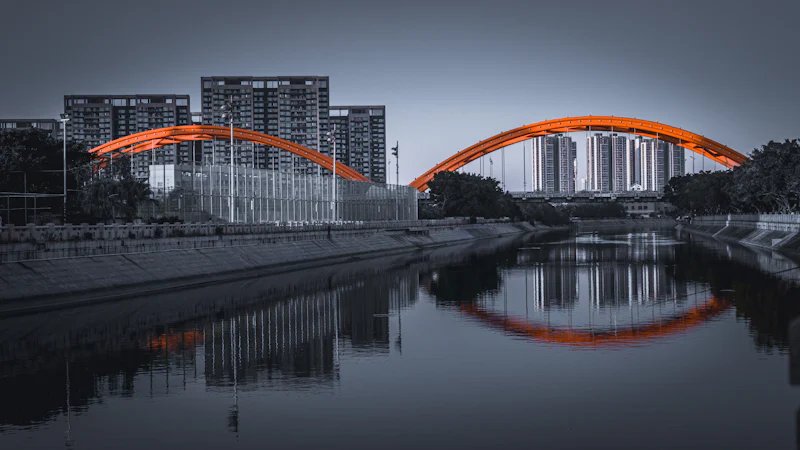
Modern Chinese urban planning focuses on the concept of high-rise communities, or 小区 (xiǎoqū), which are typically gated, fenced, and maintained by strict property management teams. These structures create physical barriers that prevent larger animals from roaming through neighborhoods. In many Western cities, backyards and low-density housing allow for a 'buffer zone' where wildlife can traverse the city. In contrast, a typical Chinese 小区 maximizes land use, replacing potential animal habitats with high-density towers, underground parking, and concrete plazas. The sheer height of these buildings and the lack of accessible, non-managed green space make it difficult for common urban fauna to establish a foothold.
The Role of Intensive Land Management
In China, the landscaping within city limits is often meticulously curated. Public parks and the green belts along roadsides undergo constant maintenance, including the use of pesticides and frequent trimming, which limits the available food sources and nesting sites for diverse wildlife. This management style is a reflection of the national push for 'clean and green' cities, where aesthetic order is favored over biodiversity. Furthermore, street sanitation is remarkably efficient; cities frequently deploy automated cleaning equipment and manual laborers, leaving little food waste on the streets for scavenger species that might otherwise rely on urban environments for sustenance.
Impact of Urban Noise and Lighting
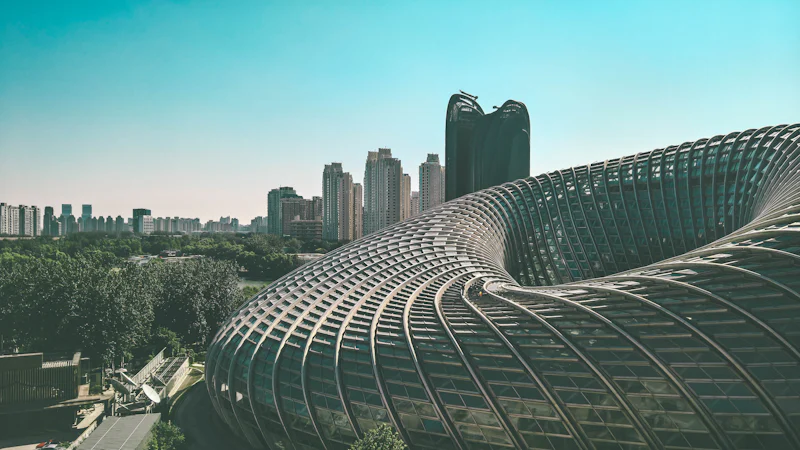
Major cities in China are characterized by high levels of light pollution and constant human activity well into the night. Many Chinese cities operate under a 24-hour cycle of commerce and construction. For species like raccoons or foxes found in Western urban centers, the lack of quiet, dark 'corridors' acts as a deterrent. Even the birds that populate these cities are often limited to hardy species like the Eurasian tree sparrow or the magpie, which have adapted to the high-energy, high-noise environments that define China’s rapid modernization. The absence of traditional urban scavengers is a direct result of this relentless level of activity.
Observations on Adaptive Ecology
While larger wildlife is rare, this does not mean the ecosystem is empty. It is merely different. Expats might notice an abundance of domestic animals or specific, highly adaptive insect populations. In some cities, you might find feral cats managed by local residents who leave out water and food, creating a 'micro-ecosystem' that effectively replaces what would otherwise be a diverse wildlife population. If you are looking for nature, you must generally travel to the periphery of the city or designated state-protected forest parks rather than expecting to find it in the heart of the concrete jungle.
Understanding that Chinese urban planning optimizes for human efficiency and aesthetic cleanliness explains why the wildlife experience here is vastly different from that in Western cities. Do you find that the lack of urban animals makes your daily environment feel more artificial, or do you appreciate the cleanliness that results from this type of planning?
Quick Takeaways:
- High-rise xiǎoqū gated communities act as physical barriers for most larger wildlife species.
- Frequent, intensive park maintenance removes the nesting sites and food sources for many animals.
- Constant city-wide activity and light pollution deter typical nocturnal urban scavengers found elsewhere.
- Biodiversity is mostly restricted to protected outer-city forest zones rather than inner-city neighborhoods.
#urbanplanning #chinaecology #expats #cityliving
