The ESL job market in China is not disappearing, but it is undergoing a significant transformation toward professionalization and increased regulatory scrutiny. While the days of securing high-paying roles with minimal credentials are largely over, the demand for qualified educators in top-tier cities remains robust. Market trends now favor candidates who possess genuine teaching qualifications, relevant experience, and the ability to adapt to strict policy shifts. If you are looking to enter or remain in this sector, your focus must shift from merely having a native-speaking passport to proving your pedagogical competency.
Shifting Regulatory Landscapes
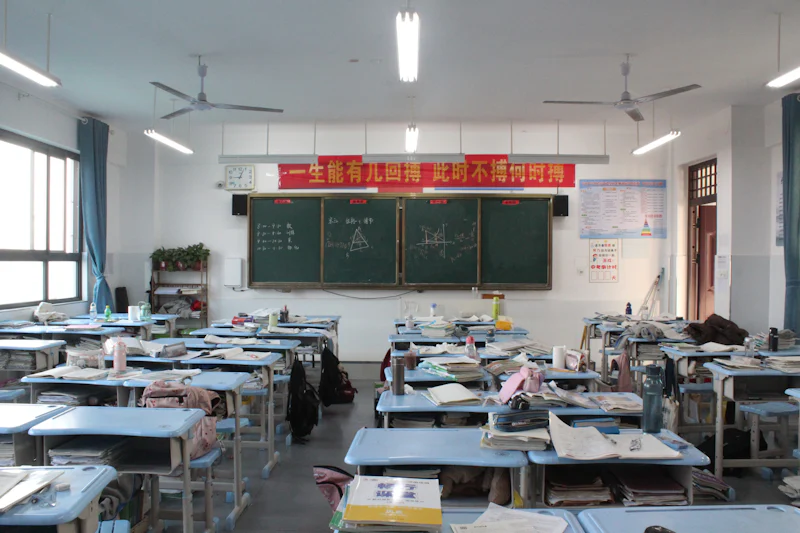
The most significant change in the China education market has been the enforcement of the 'Double Reduction' policy, which severely impacted private tutoring centers. Consequently, the job market has migrated toward international schools, bilingual private schools, and university positions. These institutions now mandate a minimum of two years of full-time teaching experience, often verified by an official gongzuo zhengming (employment verification letter). Compliance with visa regulations is non-negotiable, and employers are under stricter government pressure to ensure all foreign staff hold valid Z-visas (work visas) linked to their current institution.
Essential Qualifications and Credentials
To remain competitive in this environment, a generic bachelor’s degree is often insufficient. Schools now prioritize candidates holding a degree in Education, English, or related fields. Additionally, a TEFL teaching job in China today almost always requires a 120-hour TEFL or CELTA certification. For those targeting premium international schools, a valid teaching license from one's home country is the industry standard. Having your documents apostiellé—a process mandated by the Hague Convention to verify official documents—has become a standard requirement for permit applications, replacing the older, more cumbersome embassy legalization process.

City-Tier Dynamics and Compensation
There is a notable disparity between tier-1 cities like Shanghai or Shenzhen and tier-3 or tier-4 locations. In major hubs, schools have become highly selective, focusing on long-term retention rather than high turnover. Salary packages here are increasingly tied to performance reviews and extra-curricular participation. In contrast, smaller cities offer a lower cost of living and, occasionally, less administrative overhead, but the pool of high-quality, reputable schools is significantly smaller. When researching opportunities, utilize platforms like LinkedIn or reputable education job boards, and avoid informal recruiter groups on WeChat that lack verified school documentation.
Navigating the New Norm
Successful expats are those who view their role as a career path rather than a temporary lifestyle choice. Institutions are screening for candidates who understand the Chinese educational environment, including local customs and parent-teacher communication styles. Prepare for rigorous background checks, as the Ministry of Education has increased oversight on criminal record checks and employment history. Focus on building a portfolio of your teaching achievements, as schools are now prioritizing candidates who can provide concrete examples of student progress and curriculum development.
Quality is now the primary driver of the job market, meaning the long-term outlook remains positive for dedicated professionals willing to commit to higher standards.
How have you adjusted your professional development strategy to meet the rising requirements of schools in your current city?
Quick Takeaways:
- Prioritize obtaining a state-issued teaching license for the most competitive salary packages.
- Ensure all academic documents are verified via the apostille process for visa compliance.
- Shift focus from private training centers toward established international or bilingual school systems.
#eslchina #teachinginchina #workandbiz
