The 144-hour visa-free transit window in China begins at 00:00 on the day following your scheduled arrival, not the exact moment your flight touches down. This common misconception often leads to unintentional overstays, which can result in significant fines or legal complications. To calculate your departure deadline accurately, you must count 144 hours—exactly six full calendar days—starting from the first full day after your entry. By understanding this rigid clock system, you can safely navigate your transit through designated ports of entry without jeopardizing your future travel plans to China.
Understanding the 00:00 Rule
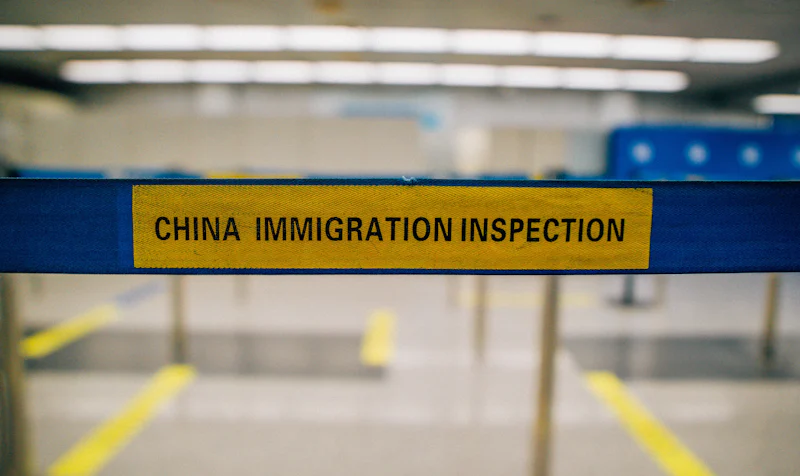
When calculating the 144-hour visa-free transit window, immigration authorities do not use a real-time countdown. If you arrive at 10:00 AM on Monday, the 144-hour clock does not start until 00:00 on Tuesday. This gives you effectively six full days plus the remaining hours of your arrival day. This policy applies to travelers arriving in specific regions, such as the 京津冀 (Jing-Jin-Ji: Beijing, Tianjin, and Hebei) area or the 长三角 (Yangtze River Delta) cluster. Always verify that your specific port of entry is approved for this scheme, as transit rules vary significantly across provinces.
Adhering to Designated Transit Zones
One of the most critical aspects of these rules is the geographical limitation. You are generally restricted to the administrative region of your entry port. For example, if you enter through Shanghai, you may travel within Shanghai, Jiangsu, and Zhejiang provinces, but you cannot fly to Beijing or Shenzhen during that same transit window. Attempting to cross these provincial borders without a proper visa will result in a violation of your transit status. Ensure your flight itinerary explicitly shows a third country, such as Japan or Singapore, as your final destination to prove the transit nature of your journey.
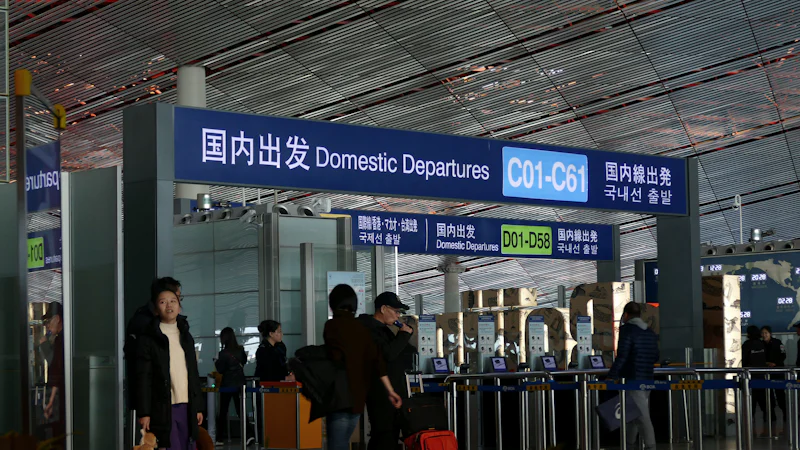
Registering Your Temporary Residence
While transiting, you are still required by law to register your stay. If you are staying in a hotel, the front desk will handle this via the 公安局 (Gong'anju: Public Security Bureau) system automatically. However, if you choose to stay in a private residence with a friend or in an 民宿 (Minsu: homestay/Airbnb style accommodation), you must visit the local police station within 24 hours of arrival to complete your residence registration. Failure to report your location is a common oversight that can cause problems during your exit check at the airport or train station.
Preparing Documentation for Departure
When departing, immigration officers will review your entry record and your confirmed outbound ticket. You must have a printed boarding pass or an electronic itinerary for a flight, cruise, or train leaving China to a third country. It is highly recommended to have these documents saved offline or printed in paper form. Because immigration officials at major hubs like 浦东机场 (Pudong International Airport) process thousands of passengers, having clear, unambiguous proof of your travel timeline prevents unnecessary delays at the immigration counter.
Remember that the 144-hour limit is an absolute threshold, and any delay—even one caused by airline rescheduling—could be considered an overstay if you exceed the limit. Always build in a buffer of at least six to twelve hours before your final flight to account for potential transport delays or unexpected queues at the immigration gate.
What is the biggest challenge you have faced when organizing a multi-city itinerary under the transit-free rules?
Quick Takeaways:
- The transit clock starts at 00:00 the day after you arrive in China.
- You must remain within the specific administrative region designated for your entry port.
- Register your location with the police or hotel immediately upon reaching your destination.
- Carry printed copies of your onward ticket to a third country for immigration checks.
#visatips #chinaexpats #chinatravel
