{
"post_content": "The Q2 visa process at the Chinese Consulate General in San Francisco requires applicants to complete the online COVA application, secure an appointment via the AVAS system, and visit the consulate building located at 1450 Laguna Street. The most critical aspect of the process is ensuring that your documentation is perfectly aligned with the appointment slot, as the consulate maintains strict enforcement of both the digital application and physical paperwork requirements. Understanding the flow of the consulate facility is essential to navigating your appointment day without unnecessary delays or anxiety.
Completing the COVA Application

The China Online Visa Application (COVA) form is the mandatory starting point for your Q2 visa process. You must input your personal data, travel history, and invitation letter details into the official portal. Once submitted, you receive an application ID, which is necessary to book your China consulate appointment. Note that the COVA form requires you to upload a digital photo that meets specific biometric requirements. If your photo fails the automatic verification system, you will be unable to finalize your submission. Always print the confirmation page and the form itself, as these are the first documents checked upon entry.
Securing Your AVAS Appointment
The Appointment for Visa Application Submission (AVAS) system is the only way to gain entry to the San Francisco office. Slots are released in batches, and high-demand seasons often result in immediate unavailability. It is common practice to check the portal early in the morning, Pacific Time, to catch cancellations. Once you secure a slot, print the appointment confirmation page clearly. You will not be allowed past the security checkpoint without this document, as the security guards verify your appointment time against their daily manifest before allowing you to enter the lobby.
Navigating the Consulate Facility
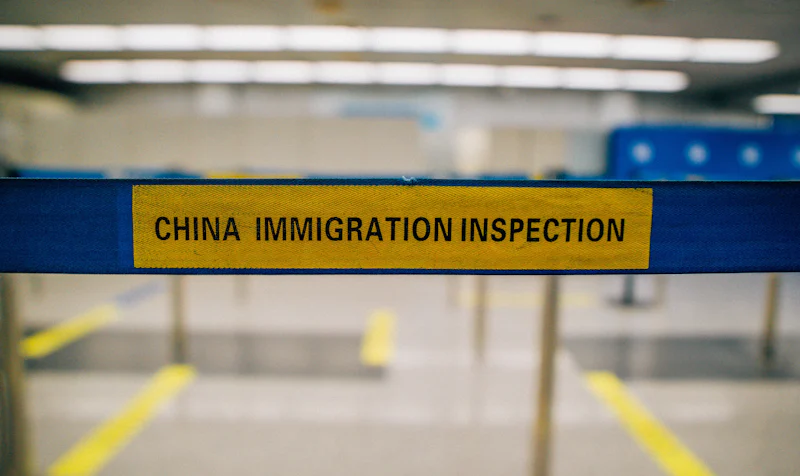
Upon arriving at the 1450 Laguna Street building, you will first pass through a security screening process similar to an airport. Keep your electronics and metal items accessible for the X-ray machine. After clearing security, you will enter the waiting area. The layout is divided into numbered windows. You must wait for your assigned number to be called on the electronic display. Bring a physical folder containing your passport, the original invitation letter from your relative in China, copies of their Chinese ID (身份证 - shēnfènzhèng), and your proof of residence in the United States. Ensure your passport has at least six months of validity remaining.
Common Pitfalls to Avoid
Many applicants are turned away because their invitation letters lack the required details. The invitation must include the relative's full name, their address in China, their contact number, and a copy of their ID. If you are a former Chinese citizen applying for a Q2 visa, you must bring your previous Chinese passport for cancellation. Additionally, verify that your visa application form has no manual corrections; if you made a mistake on the printed form, it is safer to reprint it rather than crossing out information with a pen. Finally, ensure your payment method is ready, as the consulate typically only accepts specific payment types like credit cards or money orders.
Preparation is the single greatest factor in minimizing stress, so double-check that every document is physically organized before you leave home. Have you experienced any recent changes in the appointment availability timeline when applying through the San Francisco office?
Quick Takeaways:
- Complete the online COVA form accurately before attempting to book any consulate appointments.
- Print your confirmation page and appointment slip to ensure smooth entry into the building.
- Bring a clear copy of your relative's Chinese identification to support your visa application.
- Organize all original documents and copies in a folder for quick retrieval at windows.
#visatips #q2visa #chinasanfrancisco #chinaconsulate"
}
