Obtaining a credit card as a foreigner in China is possible but significantly more restrictive than for local citizens, usually requiring stable employment and a long-term residence status. While mobile payment platforms like 支付宝 (Alipay) and 微信支付 (WeChat Pay) dominate daily transactions, holding a local credit card is essential for building a 信用分数 (credit score in China), which can eventually assist with larger financial products like personal loans or mortgages.
Establishing Eligibility Requirements
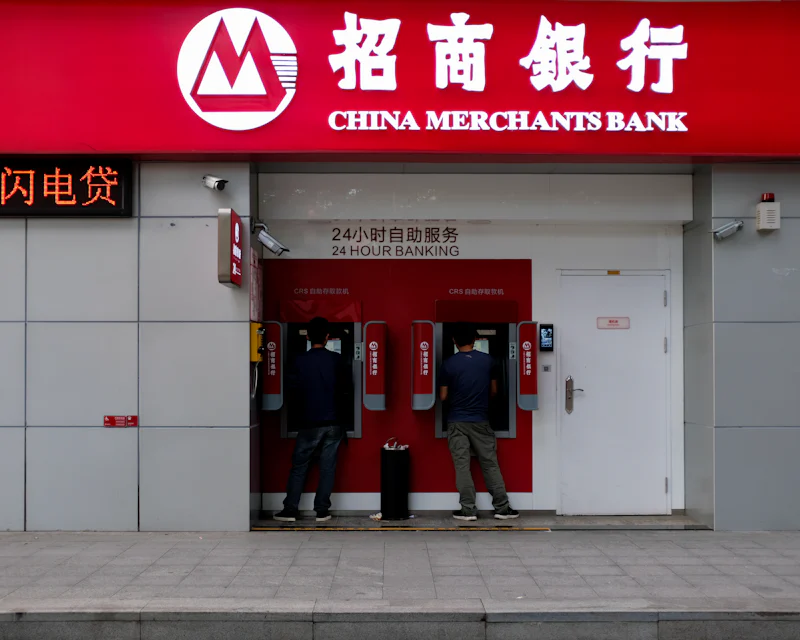
To successfully apply for a Chinese bank credit card, you must demonstrate financial stability. Most banks require you to hold a valid Z-visa or a permanent residence permit. A critical requirement is your 收入证明 (proof of income), typically provided via a company-stamped salary certificate or tax payment records from the previous six to twelve months. Banks want to see a consistent history of deposits in a personal bank account within their institution before they will consider you for credit. If you are a freelancer or on a spouse visa, your chances of approval drop significantly without a stable domestic income source.
Navigating the Role of a Guarantor
Many major commercial banks view foreign applicants as high-risk clients. Consequently, they often demand a 担保人 (guarantor), usually a Chinese national or a permanent resident with a strong credit history who assumes legal responsibility for the debt should you default. In some cases, if you cannot provide a guarantor, banks may offer a 'secured' credit card, where you deposit a large sum—often between 20,000 and 50,000 RMB—into a frozen account as collateral. This allows you to build a credit history while minimizing the bank's exposure to financial loss.
Choosing the Right Banking Institution
Not all banks offer equal accessibility for non-residents. The 'Big Four' state-owned banks—中国工商银行 (ICBC), 中国银行 (Bank of China), 中国农业银行 (Agricultural Bank of China), and 中国建设银行 (China Construction Bank)—have rigid policies but are the most reliable for long-term integration. International banks like HSBC or Citibank may have more English-speaking staff, but their credit card approval processes for foreigners in China are often no less stringent than the domestic majors. It is highly recommended to visit the specific branch where your salary is deposited, as the branch manager is more likely to advocate for your application if they can verify your income stream directly.
Avoiding Common Application Pitfalls
One common mistake is applying at multiple banks simultaneously, which can trigger a drop in your credit report inquiries and lead to automatic rejections. Always ensure your residence registration, or 临时住宿登记表 (Temporary Residence Registration), is updated at your local police station before applying. Banks cross-reference this address, and any discrepancy between your provided address and the official system will result in an immediate denial. Additionally, ensure your name on your passport matches your bank account exactly, including the spacing and formatting of your middle names, as even a minor typo can stall the automated verification process.
Maintaining a relationship with a single bank is the most effective strategy for eventually securing a credit card in China. Which bank have you found to be the most accommodating for international employees in your city?
Quick Takeaways:
- Maintain a steady income stream to provide mandatory bank-stamped proof of earnings.
- Update your temporary residence registration record before initiating any credit card application.
- Consider a secured credit card using a cash deposit if you lack a guarantor.
- Avoid applying at multiple banks simultaneously to protect your credit inquiry record.
#creditcardchina #expatlifestyle #chinabanking
