You do not technically need local health insurance in China to survive, but opting for international insurance for China is often the most practical choice for long-term residents. While basic public coverage is available to some, it rarely covers the high-end private services many expats prefer for convenience, language accessibility, and speed. Choosing between local and international options requires a realistic look at your budget, your health needs, and how you plan to navigate the Chinese medical system for everything from emergency surgery to simple preventative care.
Accessing Public Hospitals

Public hospitals are the backbone of medical treatment in China. They are cost-effective, but they come with significant hurdles for foreigners. The primary barrier is the language gap; rarely do doctors or nurses speak fluent English. You will likely spend hours in waiting lines, navigating the busy 挂号 (registration) system. While public hospitals are excellent for major trauma or specialized surgeries, they are often overwhelmed, making the experience stressful for someone unfamiliar with the local flow. You can use platforms like 支付宝 (Alipay) or 微信 (WeChat) to book appointments, but the system is entirely in Chinese.
Advantages of Private Clinics
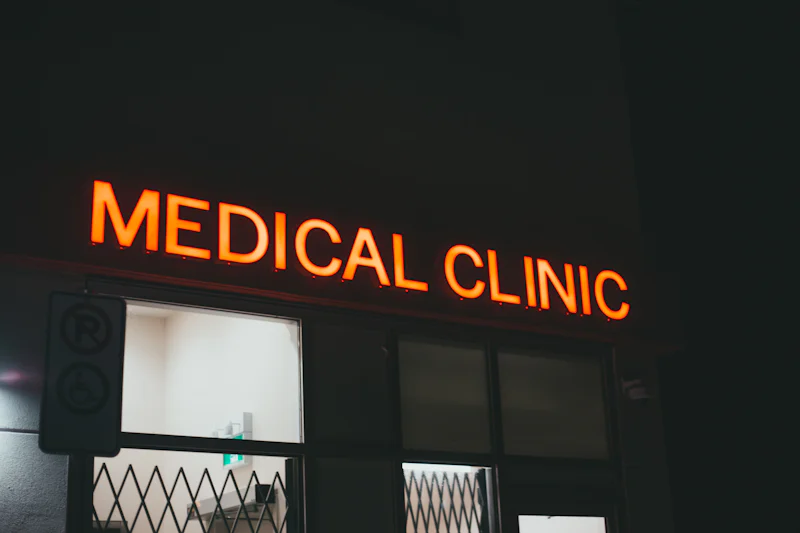
Most expats prefer private international insurance because it grants access to private wings of major hospitals or specialized clinics catering to the international community. These facilities offer English-speaking staff, shorter wait times, and direct billing, which means you do not have to pay thousands of yuan upfront and wait for reimbursement. Routine checkups are handled with much more privacy and comfort. When choosing a plan, check if it includes 'direct settlement,' which allows the clinic to bill your insurance provider directly, bypassing the need for you to handle complex paperwork.
Categorizing Your Medical Needs
Emergency care in China is efficient and highly skilled. If you have an emergency, any public hospital will treat you regardless of your insurance status, though payment is required immediately. For planned treatment, such as elective surgery or long-term management of chronic conditions, private insurance is superior because it provides access to specialists who understand international medical standards. Routine checkups at private clinics often include comprehensive blood work and screenings that are standard in your home country but may be structured differently in the local public system.
Comparing Insurance Costs
Local health insurance options are generally cheaper but offer limited coverage at private facilities. If you are employed by a large multinational corporation, your employer likely provides international health insurance as part of your compensation package. If you are a freelancer or working for a smaller local firm, you will need to buy an individual policy. Research providers that offer a 'China-only' plan if you do not travel frequently, as these can save you 20% to 30% on premiums compared to global coverage plans. Always review the 'in-network' list of clinics before signing any contract.
Determining the right coverage level depends on your willingness to navigate the crowded public system versus the convenience and higher cost of premium private care.
Which insurance provider have you found to be the most reliable regarding direct billing at clinics in your city?
Quick Takeaways:
- Use private insurance for English support and direct billing at international clinics.
- Public hospitals are cost-effective but require navigating complex Chinese-only registration systems.
- Check if your insurance policy covers 'direct settlement' to avoid heavy out-of-pocket costs.
- Choose a 'China-only' plan if you want to save money on global premiums.
#healthinsurance #expatlife #livinginchina
