Ordering food in China becomes stress-free once you master the two-track system: using digital apps for delivery and visual cues for dine-in. For beginners, the secret is to leverage the automation of major chains while keeping a few essential translation tools handy for local hole-in-the-wall spots. While it may feel daunting initially, most restaurant owners are accustomed to helping non-Chinese speakers navigate the process through simple gestures and translation technology.
Using Delivery Apps Like a Pro
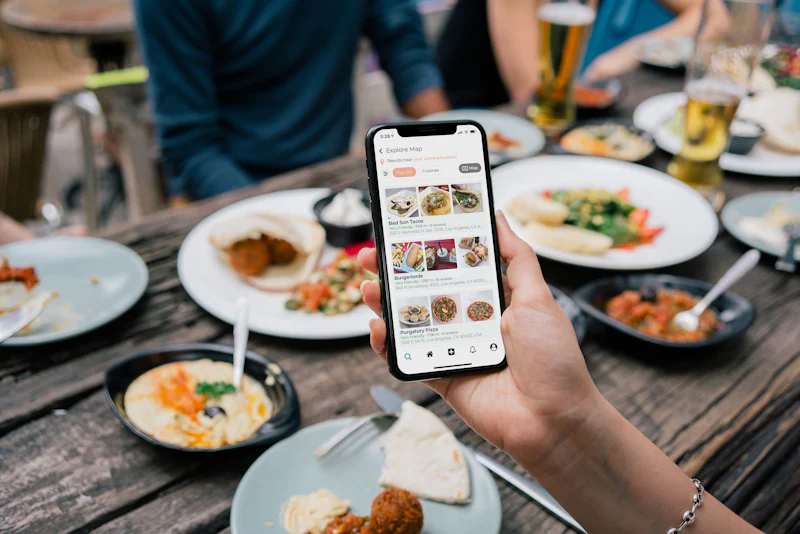
The most essential tool for life in China is 美团 (Meituan). While its interface is entirely in Chinese, it is highly intuitive. You do not need to read fluent Mandarin to order; simply use the camera-based translation feature in 支付宝 (Alipay) or 百度翻译 (Baidu Translate) to identify common icons like 'menu' (菜单) or 'shopping cart' (购物车). The biggest hack for beginners is to stick to recognizable chains initially, as their item photos are accurate. Always ensure your delivery address is saved correctly in the app by having a local friend confirm the 门牌号 (ménpái hào - house/apartment number), as delivery drivers will call you if they cannot find the specific building entrance.
Navigating Fast Food Kiosks
Major chains like 肯德基 (KFC China) and McDonald’s have completely transitioned to self-service kiosks. These machines are a blessing for foreigners because they almost always include a language toggle or clear visual representations of every menu item. If you feel overwhelmed, simply walk up to the machine, look for the 'English' button in the top corner, and pay using your linked 微信支付 (WeChat Pay) or 支付宝 (Alipay). These kiosks remove the need for verbal interaction entirely, making them the safest starting point for anyone new to the country.
Mastering Local Dine-In Experiences
When dining at smaller, authentic local spots, you will often find a QR code on your table. Scanning this code with your phone usually triggers a mini-program that displays the full menu. If the menu is text-only, use your translation app’s 'Scan' function to hover over the screen. If you are stuck in a place without digital menus, pointing is perfectly acceptable. To ensure you do not order something unintended, learn the character for 'mild' (微辣 - wēi là) and 'no cilantro' (不要香菜 - bú yào xiāngcài). Keeping these two phrases written on a note in your phone will save you from common dietary mishaps.
Overcoming Language Barriers
Many foreigners fear the checkout process, but it is standardized nationwide. Whether you are at a high-end restaurant or a street stall, the question '扫码还是现金?' (sǎo mǎ hái shì xiàn jīn? - scan QR code or cash?) is standard. Always default to '扫码' (scan code), as most vendors prefer digital payments. If you want to take food to go, use the term '打包' (dǎ bāo - pack it up). Carrying a small list of these basic terms will bridge the gap between you and the server significantly faster than trying to translate full sentences.
Mastering digital food tools is the fastest way to gain independence in your daily life. Which local dish have you been most hesitant to try because of the ordering process?
Quick Takeaways:
- Use Meituan with a translation app to navigate Chinese-only delivery interfaces effectively.
- KFC and McDonald’s kiosks offer English language toggles to simplify your first orders.
- Learn the phrases for mild spice and no cilantro to customize your meals.
- Scan table QR codes to view menus and order directly from your smartphone.
#orderingfood #chinatips #livinginchina
