Finding authentic information about China’s museum artifacts requires prioritizing state-run, public institutions over privately-owned 'cultural centers' or antique markets. The most effective China museum artifact audit involves checking for official accreditation from the National Cultural Heritage Administration (NCHA) or official provincial museum bureaus. When visiting, always verify exhibition authenticity by cross-referencing museum websites against major research databases like the China Academy of Art or state-sponsored scholarly publications. By learning to distinguish between scholarly exhibits and commercial tourist attractions, you protect your time and ensure your appreciation of Chinese history art is grounded in verified, high-quality data.
Verify Official Status Through NCHA
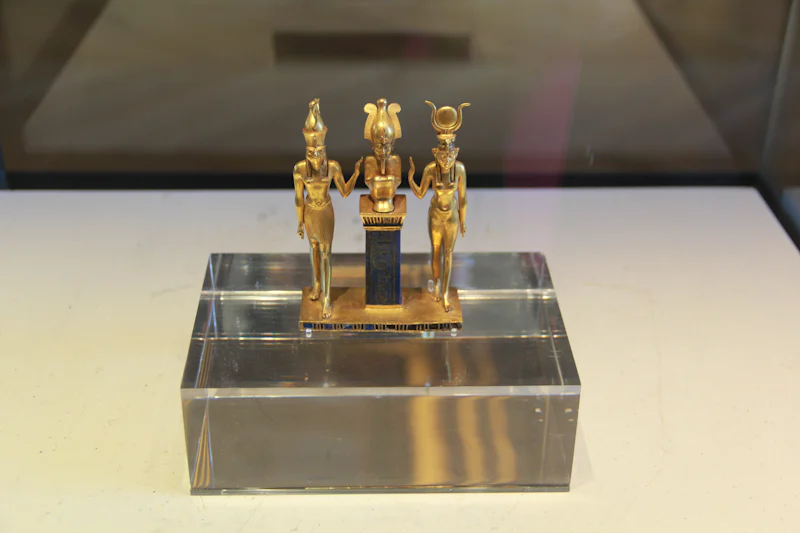
The primary way to avoid 'tourist traps' is to confirm the institution’s status on the National Cultural Heritage Administration (NCHA) portal. Authentic public museums in China are categorized and regulated by the state. You can check if a facility is a registered 文博单位 (cultural and museum unit) by looking for official signage at the entrance. Reliable institutions will almost always be linked to a local university or municipal government. If you are browsing a collection and find it is not affiliated with the 文物局 (Cultural Relics Bureau), exercise extreme caution, especially if the facility offers 'exclusive sales' or 'authentication services' for private buyers.
Cross-Reference Digital Archives
For those interested in Chinese history art, reputable museums provide detailed digital catalogs. Platforms like the 数字博物馆 (Digital Museum) network allow you to view high-resolution imagery and provenanced data of artifacts before your visit. If you see an artifact in a gallery that lacks an entry in these national databases, it is a red flag for a potential reproduction or a private loan that has not been professionally vetted. Use the 'National Museum of China' (中国国家博物馆) website as your gold standard; its digital collection acts as a benchmark for what authentic, properly researched artifacts should look like, including their historical periodization and restoration history.
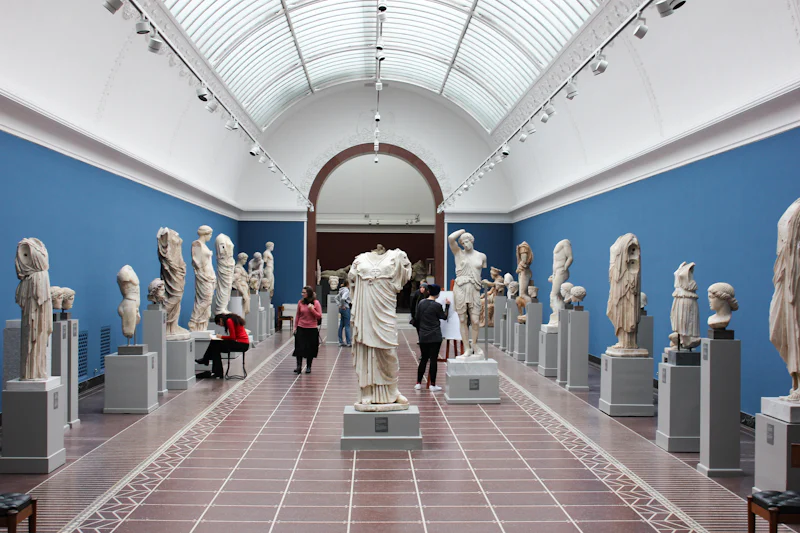
Identifying Common Tourist Scams
Detecting fake artifacts China typically involves looking for 'too good to be true' scenarios. Scammers often operate in districts near popular historical sites, masquerading as private collectors or gallery owners. Avoid any shop that pressures you into purchasing an artifact with the promise of 'export certification' or 'high-value resale potential.' Legitimate museums never facilitate the private sale of artifacts. If a location claims to be a museum but functions as a retail space, it is likely a commercial enterprise using historical branding to inflate prices. Always insist on seeing the 鉴定证书 (appraisal certificate) issued by a nationally recognized expert, and be aware that such documents are frequently forged in unregulated markets.
Choose Accredited Museum Tours
If you prefer guided experiences, prioritize tours organized by reputable, long-standing agencies or university alumni groups. Look for tour guides who possess the national tour guide license, which is verified through the 导游证 (Tour Guide Certificate). A legitimate guide will be able to explain the 馆藏 (museum collection) history in detail, citing specific archaeological excavations or historical periods like the 唐朝 (Tang Dynasty). If a guide focuses exclusively on the perceived monetary value of items rather than their cultural context or artistic technique, you are likely in a sales-driven environment rather than an educational one.
True appreciation for Chinese cultural heritage is found through institutions that prioritize research and public access over commerce. Have you visited a museum in China that provided particularly transparent information about its collection?
