Addressing Chinese historical figures with respect involves understanding the cultural weight attached to their public legacies, particularly regarding national identity. To navigate conversations successfully, focus on the historical context of their contributions rather than polarizing political debates. Using honorific titles or referencing their specific roles is a sign of cultural intelligence that helps build rapport with local colleagues and friends. Recognizing that these figures are central to the modern Chinese narrative allows for productive, respectful dialogue that bridges cultural gaps and avoids unnecessary misunderstandings in professional or social settings.
Use Proper Honorifics and Titles
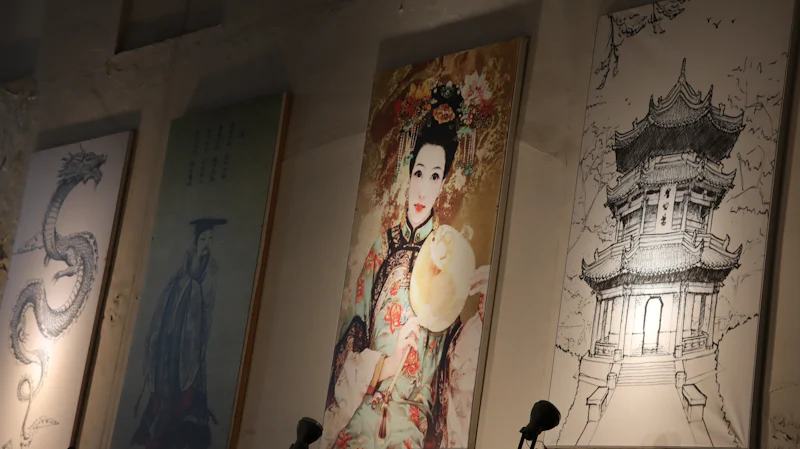
In Chinese culture, titles carry significant social weight. When referring to historical figures, avoid using their names alone. Instead, use their professional title or a respectful descriptor such as 先生 (Xiānsheng - Mister) for academics or diplomats. For figures like Zhou Enlai, it is standard to refer to him by his title or full name, reflecting his status as a foundational leader. Using these titles shows that you acknowledge the gravity of their contributions to the country. If you are unsure of the appropriate honorific, defaulting to formal language is always safer than using a casual or diminutive tone.
Focus on Historical Contributions
When discussing individuals like Zhou Enlai in China, frame your comments around their recognized roles in shaping the country. He is widely respected for his role in 外交 (wàijiāo - diplomacy) and his tireless work ethic. Rather than seeking to debate political history, focus on the documented facts of their governance or international achievements. Chinese society often emphasizes the collective progress achieved under certain periods; echoing these sentiments is generally viewed as an appreciation for the country’s modern development journey. This approach allows you to participate in conversations without needing to engage with sensitive political nuances that could easily be misinterpreted.
Navigate Sensitivity with Neutrality
Cultural sensitivity in China often revolves around maintaining 面子 (miànzi - face) for all parties involved, including the historical figures being discussed. If a conversation becomes heated or moves into areas of personal speculation, the best strategy is to return to neutral, factual observations. You might pivot by asking, “What do most people in your generation think about his impact on regional policy?” This shifts the burden from your opinion to theirs, allowing you to learn their perspective without needing to take a firm stance. Using neutral inquiry tools like 百度 (Baidu) to verify basic timelines can help you keep your information accurate and grounded in local resources rather than Western-centric interpretations.
Recognize the Weight of Legacy
Historical figures are not just names in a textbook; they are viewed as architects of current societal values. When discussing them, avoid making light of their decisions or using sarcasm. In China, history is often treated with high levels of solemnity. If you find yourself in a setting where you do not know the full context of a figure, it is perfectly acceptable to listen more than you speak. Asking thoughtful questions such as “How is his work taught in schools today?” demonstrates a genuine desire to understand the local cultural framework, which is usually met with openness and appreciation.
Respecting historical figures is about validating the cultural importance they hold for the people you are interacting with today.
What is one historical figure you have encountered in conversation here, and how did you approach the discussion?
Quick Takeaways:
- Always include formal honorifics when referencing well-known historical figures in conversation.
- Focus discussions on recognized diplomatic or developmental achievements to maintain respectful dialogue.
- Use neutral, inquisitive questions to learn local perspectives instead of sharing personal opinions.
- Verify historical facts through local search tools like Baidu to ensure cultural accuracy.
#chineseculture #historicalfigures #culturaletiquette
