The fast-paced lifestyle in China is far more than a temporary culture shock; it is a structural reality embedded in the country's hyper-efficient service economy. While new arrivals often feel overwhelmed by the relentless urgency of major urban centers, this speed is actually a feature of the infrastructure designed to facilitate high-volume living. Understanding that this intensity is a systemic standard rather than a personal slight is the first step toward reclaiming your balance. By shifting your perspective from seeing the pace as chaotic to viewing it as a streamlined system, you can integrate more effectively without burning out.
The Engine Behind the Urgency
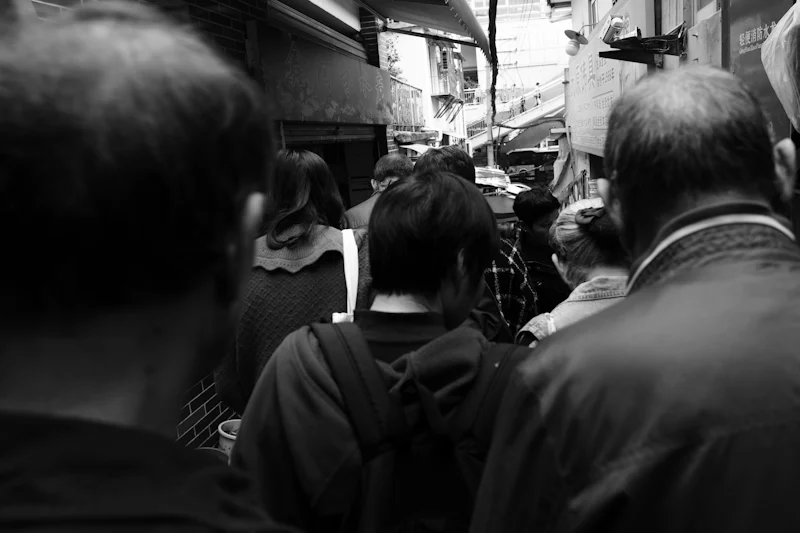
China operates on a scale that demands rapid turnover to remain functional. Whether you are ordering a delivery via 美团 (Meituan) or commuting through the subway system, the efficiency is powered by a high-density population and a robust digital ecosystem. In cities like Shanghai, the professional expectation is often defined by the concept of '996' (working from 9 a.m. to 9 p.m., 6 days a week), though this is increasingly being challenged. Recognizing that this speed is an optimized, collective habit helps you stop taking the lack of 'leisure-first' service personally. The systems are designed for speed, not for lingering, which is why services like 支付宝 (Alipay) and 微信支付 (WeChat Pay) are integrated into every facet of life to remove friction from daily transactions.
Beijing Versus Shanghai Dynamics
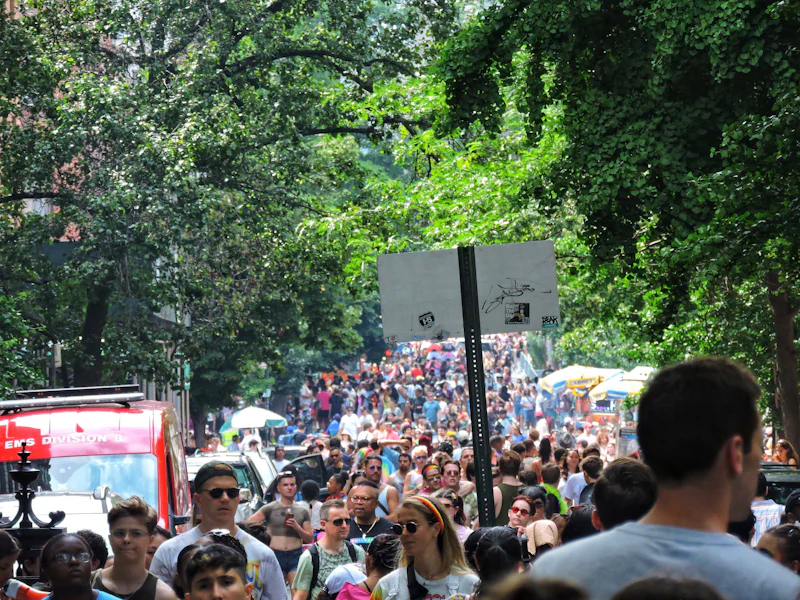
There is a palpable difference in the texture of the speed between China's two largest cities. Beijing often feels like a center of high-pressure professional ambition, where the pace is driven by policy cycles and competitive corporate hierarchies. Shanghai, by contrast, operates with a commercial urgency—the city feels like a high-speed financial engine where every minute is monetized. For expats, adjusting to Beijing often involves learning to navigate bureaucratic timelines, while adapting to Shanghai requires managing a faster, more consumer-focused rhythm. Regardless of the city, the key is to identify which parts of your schedule you can automate and which you must slow down to protect your mental health.
Strategies for Sustainable Integration
To survive the fast-paced lifestyle in China, you must curate your own 'slow zones.' Do not fall into the trap of trying to match the local pace in every aspect of your life. Utilize scheduling apps to batch your errands, but intentionally set aside time where you disable non-critical notifications. If you find yourself overextended, prioritize the 'essential-only' tasks for the week and delegate non-urgent ones. Remember that the infrastructure, such as the ubiquity of high-speed trains or the rapid delivery networks, exists to give you more time, not to force you into a state of constant motion. The goal is to use the efficiency of the country to build more room for your personal wellness.
Managing life in a hyper-efficient society requires you to consciously carve out moments of stillness while leveraging the country's technological convenience to reduce your mental load. Which specific aspect of the fast-paced environment in your city has been the most difficult for you to adapt to so far?
Quick Takeaways:
- Accept that high-speed service is a systemic feature, not a personal stressor for you.
- Use digital tools like 美团 (Meituan) to batch errands and minimize daily friction.
- Actively schedule 'slow zones' in your week to prevent mental exhaustion from city life.
- Distinguish between urgent work culture and your own boundaries to maintain long-term balance.
#expatchina #lifeinchina #chinacultureshock
