Traveling from China to Central Asia by land is a scenic but logistically complex endeavor that requires moving beyond standard travel apps and relying on specific rail hubs and bus terminals. While a direct cross border train from China to Kazakhstan remains limited in frequency and availability, the most reliable route involves traveling to the Xinjiang Uyghur Autonomous Region and utilizing international sleeper buses or regional train connections that terminate near the border crossings. You must verify visa requirements for each destination country independently, as China-based transit visas often do not apply to these specific land ports of entry.
The Rail Hub of Urumqi
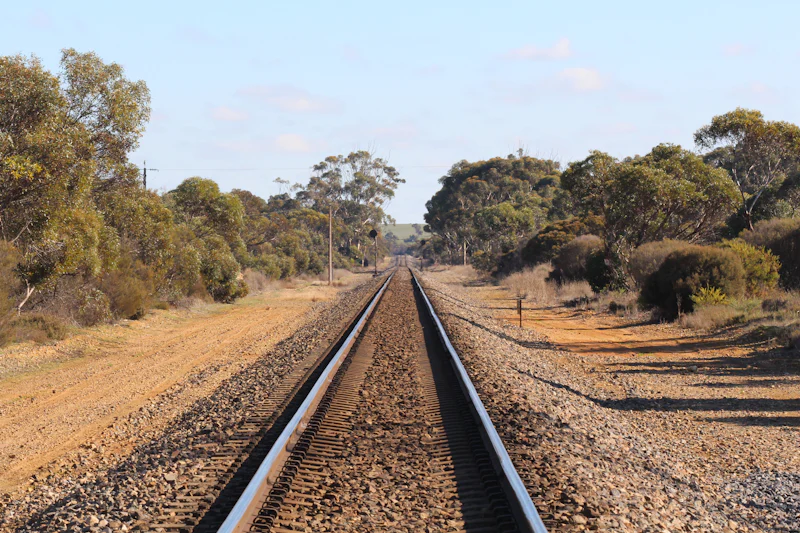
Your primary gateway for any westward journey is 乌鲁木齐 (Urumqi). As the capital of Xinjiang, it serves as the final major transit point before reaching the border regions. While many travelers hope for a seamless transcontinental rail line, the reality is that rail travel often terminates at the border town of 霍尔果斯 (Horgos). From there, you will need to transit through customs and transition to local transport on the Kazakh side. Ensure you have your passport and visa ready in a physical folder, as electronic copies on your phone are frequently rejected by border officials during the manual verification process.
Navigating International Bus Routes
Because direct passenger rail service across the border is inconsistent, international sleeper buses are the standard choice for reaching cities like Almaty. These buses depart from the 国际客运站 (International Passenger Transport Station) in Urumqi. Unlike domestic travel, these tickets cannot be purchased on common apps like 12306 or 携程 (Ctrip). You must visit the station in person at least 48 hours before your intended departure to confirm the schedule, which is subject to change based on weather conditions in the Tian Shan mountains. These buses are often basic, so pack sufficient water and dry food for the 15-to-24-hour journey.

Critical Border Documentation
Crossing the land border at Horgos or 阿拉山口 (Alashankou) requires more than just your passport. You must ensure that your Chinese exit stamp is clear and that your visa for Kazakhstan or Kyrgyzstan is stamped correctly. Keep a printed itinerary of your intended route and your hotel bookings in the destination country. Border guards often ask for proof of onward travel, and having a printed copy of your exit flight or bus ticket from the destination country can prevent significant delays. If you are carrying significant amounts of cash, be aware that you must declare any amount exceeding the equivalent of 5,000 USD to avoid legal complications during the customs check.
Managing Expectations for Travel Times
Overland travel in this region is rarely linear. Transit times are heavily influenced by the volume of commercial freight moving through the border ports. It is not uncommon for a scheduled 18-hour journey to extend to 30 hours due to secondary security screenings. Always maintain a flexible itinerary that allows for a 48-hour buffer in the border city. Use 高德地图 (Amap) for local navigation within China, but rely on offline maps or physical compasses once you move into the remote border zones where cellular reception becomes sporadic.
Success in overland travel depends entirely on preparing your physical documents and allowing for double the estimated time due to unpredictable border processing speeds. Have you considered which specific Central Asian country you intend to enter first, or are you looking for the most efficient path to bypass border traffic?
Quick Takeaways:
- Urumqi is the central hub for all international land transit toward Central Asia.
- International bus tickets require in-person purchase at the station 48 hours prior.
- Print all visa documents and hotel bookings as paper copies for border security.
- Always allocate at least 48 hours of buffer time for unpredictable border delays.
#travelchina #centralasia #overlandtravel
