Managing motion sickness while riding Didi in China requires a proactive approach to communication and seat selection, as the aggressive driving style common in mega-cities like Chengdu can exacerbate travel discomfort. The most effective way to handle this is to address the driver’s habits early and utilize the in-app features to customize your ride preferences before the vehicle even arrives.
Communicating with Drivers
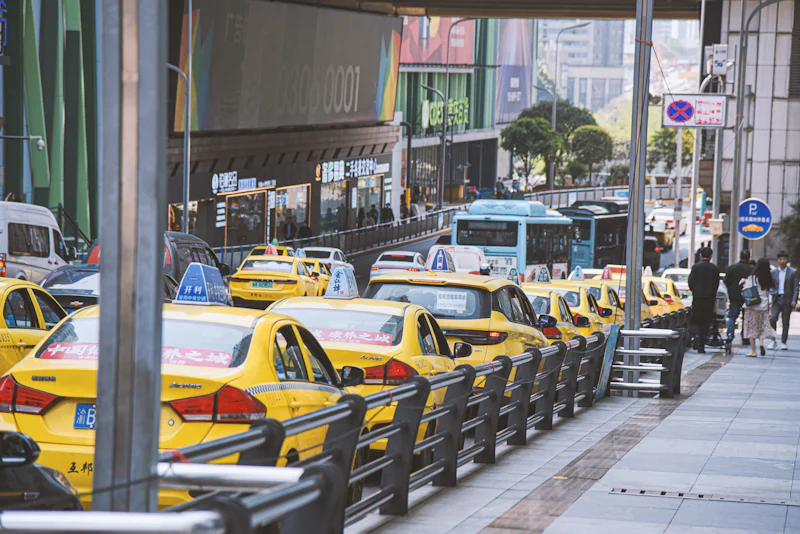
Many Didi drivers in dense urban areas rely on rapid acceleration and frequent lane changes to meet traffic flow. If you feel nauseous, use the chat function in 滴滴出行 (Didi Chuxing) to send a pre-written message: “请开慢一点,我有点晕车” (Please drive a bit slower, I get motion sickness). Most drivers are professional and will adjust their speed if requested politely. Do not hesitate to repeat this verbally once you enter the vehicle, as keeping the driver informed is essential for a comfortable journey.
Choosing the Right Didi Service
Not all ride-hailing services are equal when it comes to comfort. If you are prone to motion sickness, opt for 礼橙专车 (Didi Premier) or 快车 (Didi Express) premium tiers rather than the basic economy options. Premium tiers often feature newer vehicles with better suspension and more space. Furthermore, these drivers are typically held to higher service standards and are more accustomed to accommodating passenger requests regarding air conditioning or driving style.
Utilizing In-App Settings
Before confirming your ride, check for specific options within the 支付宝 (Alipay) or 滴滴 (Didi) mini-program. Some regions allow you to select preferences such as “不希望交谈” (Prefer no conversation) or specific vehicle types. If you are traveling through hilly terrain, such as in the outskirts of Chengdu, look for drivers with high passenger ratings—typically 4.8 or above. Higher-rated drivers are generally more consistent and predictable in their handling of the vehicle, which is crucial for those sensitive to sudden movements.
Optimizing Your Environment
Physical preparation inside the car makes a significant difference. Always choose the front passenger seat if the vehicle is not occupied, as the wider field of vision helps mitigate the disconnect between your inner ear and your eyes. Keep the windows cracked to ensure constant fresh air circulation, as the interior smell of older cabs can trigger nausea. If you must sit in the back, focus on a stable point in the distance rather than looking at your phone screen, as digital movement will accelerate the onset of motion sickness.
Planning Routes for Stability
In major cities, you can often influence the route taken. When the driver starts the trip, use the map navigation feature in your own ride-hailing app to suggest an alternative route that stays on main roads (主干道) rather than taking shortcuts through narrow, winding alleys. Main roads are generally wider, smoother, and involve fewer sharp turns, providing a much steadier ride overall.
Controlling your environment through clear communication and strategic service selection is the most reliable way to prevent motion sickness during car travel in China. What has been your most effective method for navigating heavy traffic in Chinese cities without feeling unwell?
Quick Takeaways:
- Use the Didi chat feature to request a slower driving pace before pickup.
- Book premium Didi tiers for newer cars with better suspension and smoother handling.
- Sit in the front passenger seat to maintain a wider, stable visual field.
- Avoid using your smartphone during the ride to prevent increased travel discomfort.
#didichina #livinginchina #traveltips
