Navigating a seafood allergy in China requires more than just knowing the word for fish, because hidden ingredients like oyster sauce and shrimp paste are ubiquitous in regional cuisines. The most effective safety measure is carrying a professionally translated allergy card that explicitly lists ingredients you must avoid, rather than relying on verbal translations that might be misunderstood in a busy kitchen. By proactively communicating your dietary restrictions using clear, written instructions, you can significantly reduce the risk of accidental exposure while dining out in local restaurants.
Using a Custom Allergy Card
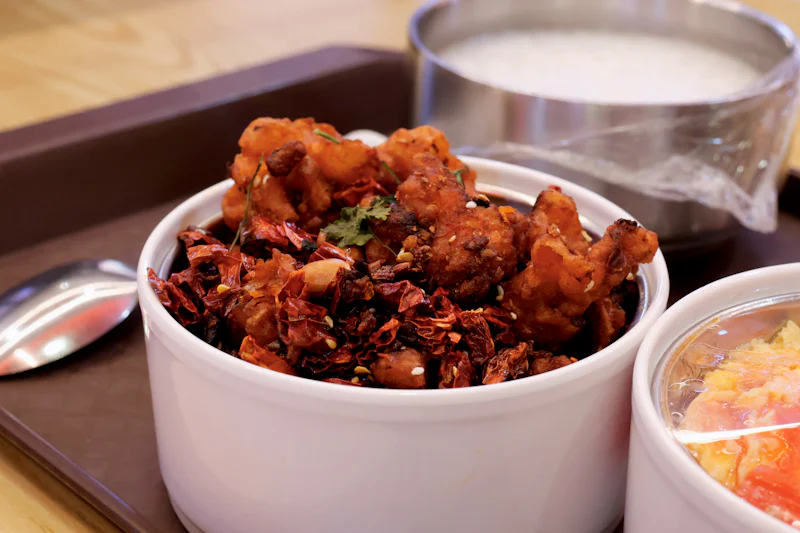
The most reliable way to communicate your health needs is by printing a custom 过敏卡 (guòmǐn kǎ), or allergy card. This card should list specific allergens such as fish, shellfish, and crustaceans. Crucially, it must include a statement that you cannot eat dishes cooked in the same oil or wok as seafood. You can use translation apps like 百度翻译 (Baidu Translate) to generate these phrases. Present this card to the server immediately upon sitting down and ask them to confirm with the chef. Do not rely on digital phone translations alone, as a physical card that you can hand over to the kitchen staff is far more effective in loud, bustling restaurant environments.
Recognizing Hidden Seafood Ingredients
Many dishes in Chinese cuisine use ingredients that contain trace amounts of seafood without being explicitly labeled as a seafood dish. The most common offender is 蚝油 (háoyóu), or oyster sauce, which is a staple in stir-fries and vegetable dishes. Another frequent hidden ingredient is 虾酱 (xiājiàng), or shrimp paste, often used in hot pot dipping sauces or fermented seasoning bases. When ordering, specifically ask, "Does this dish contain oyster sauce or shrimp paste?" which translates to: "这个菜里有蚝油或者虾酱吗?" If the server is uncertain, it is safer to stick to simple, steamed, or boiled dishes where you can verify the ingredients visually.
Dining Out Strategy
When choosing where to eat, prioritize restaurants with open kitchens or those that use simple ingredient lists. Large restaurant chains are often better equipped to handle allergy requests because they follow standardized food safety protocols. When ordering via food delivery apps like 美团 (Meituan) or 饿了么 (Ele.me), use the "notes to the restaurant" section to type your allergy requirements in Chinese. If you have a severe allergy, avoid small street stalls where cross-contamination is almost impossible to prevent due to the shared use of woks and utensils.
Key Phrases for Restaurant Staff
Always carry a notepad with these essential phrases: "I am severely allergic to all seafood" (我对所有海鲜严重过敏), "Please ensure no cross-contamination" (请确保没有交叉污染), and "Can you prepare this dish without any oyster sauce?" (这道菜可以不加蚝油吗?). Having these written down provides clarity for staff members who may not have encountered specific international allergies before. If the restaurant staff cannot guarantee the safety of your meal, the best policy is to politely leave and find a different establishment where communication is clearer.
Understanding the hidden sources of allergens is the most critical step in safely managing a seafood allergy while eating out across China. Have you found specific restaurant chains or regional cuisines that are easier to navigate with food allergies?
Quick Takeaways:
- Always carry a physical allergy card detailing your specific seafood and shellfish restrictions.
- Be aware that oyster sauce and shrimp paste are common, often hidden, flavor enhancers.
- Use delivery app note sections to clearly state allergies before submitting your food order.
- Politely decline dishes if restaurant staff are unable to confirm the total ingredient list.
#seafoodallergychina #livinginchina #expatguide
