The complexity behind defense procurement for Taiwan is primarily driven by a unique intersection of bureaucratic bottlenecks, geopolitical constraints, and supply chain limitations that extend far beyond simple financial budget debates. While media headlines often focus on specific weapon systems, the reality is that the procurement process is a multi-year logistical marathon involving international policy alignment and manufacturing capacity limitations. Understanding these hurdles requires looking past political rhetoric to see the actual operational, industrial, and diplomatic gears that must turn simultaneously to move hardware from a contract signature to deployment.
Geopolitical Constraints and International Policy
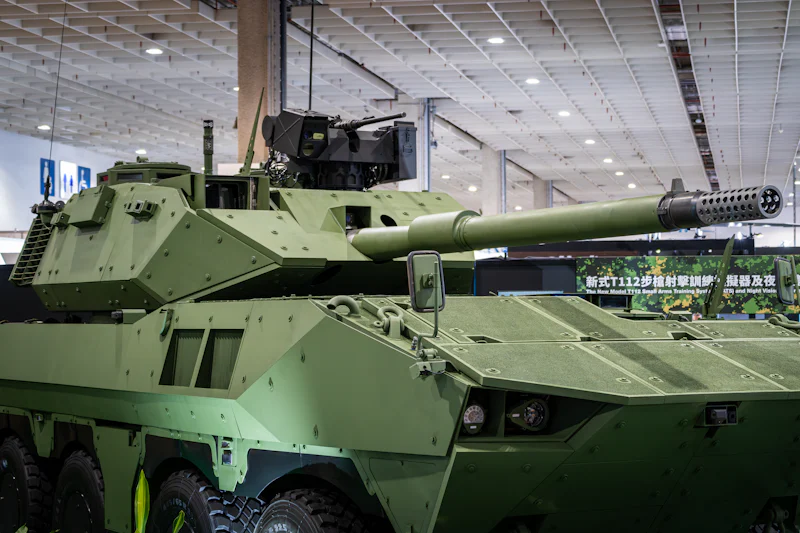
The primary barrier to efficient procurement is the complex diplomatic framework governing arms sales. Under the Taiwan Relations Act, the U.S. provides defensive articles to Taiwan, but each request must undergo a rigorous interagency review process known as the Foreign Military Sales (FMS) program. This process involves the Department of State and the Department of Defense, ensuring that every transaction aligns with broader strategic stability objectives. This creates a cycle where domestic budget debates in Taiwan often hit a wall not because of a lack of funds, but because of the extended diplomatic vetting periods required before a formal Letter of Offer and Acceptance (LOA) is signed.
Industrial Capacity and Global Supply Chains
Beyond policy, global manufacturing capacity is a significant bottleneck. Advanced systems like the HIMARS (High Mobility Artillery Rocket System) are in high global demand, leading to extensive backlogs in production lines. Defense contractors operate on a "first-come, first-served" model for global partners. When Taiwan places an order, it must compete with the existing orders from the U.S. military and other allies. This leads to "lead times" that can stretch from five to seven years. Even if a budget is approved today, the reality of global industrial output means that delivery is rarely an immediate prospect, regardless of the political will behind the purchase.
Operational Integration and Strategic Focus
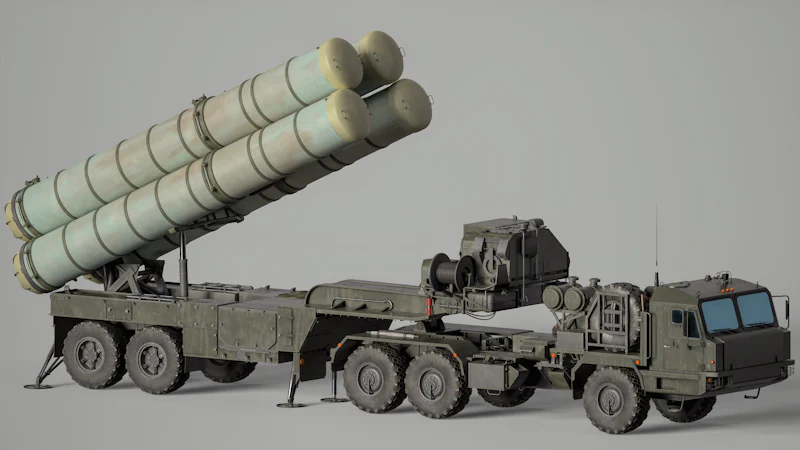
There is an ongoing debate regarding the most effective "defense architecture." This involves choosing between high-end, "exquisite" platforms like fighter jets and more agile, "asymmetric" systems designed to operate in decentralized environments. The procurement process is often slowed down by internal shifts in military doctrine. Deciding whether to allocate limited resources toward mass-producible defensive missiles versus larger platforms creates a bottleneck in the planning phase. These internal discussions are essential for long-term security, yet they complicate the "buy-now" mentality often seen in public discussions of military readiness.
Funding and Budgetary Debates
The perception that funding is the sole obstacle is a common misconception. While there are rigorous debates in Taiwan’s Legislative Yuan regarding the total defense budget—which currently hovers around 2.5% of GDP—the execution of that budget is the real challenge. Ensuring that the military can absorb new technology requires significant investment in personnel training and maintenance infrastructure. Consequently, procurement is not just about writing a check; it is about building the necessary "support ecosystem" to manage and maintain sophisticated weapon systems over their entire operational lifecycle.
Effective defense procurement is ultimately a test of institutional patience rather than just a simple matter of having enough money on hand. How do you think the shifting global demand for defense technology impacts the timeline for smaller nations trying to modernize their military infrastructure?
Quick Takeaways:
- International FMS processes require multi-year diplomatic vetting before contracts move to production.
- Global manufacturing backlogs mean lead times for advanced systems often exceed five years.
- Strategic debates on asymmetric warfare frequently delay final procurement decisions and budget allocations.
- Successful defense acquisition depends heavily on maintaining local technical support and training infrastructure.
#defensepolicy #militaryprocurement #geopolitics
