The retail landscape for supermarkets in China is not necessarily getting worse, but it is undergoing a radical transition that favors digital convenience over the sprawling hypermarket model. If you feel like your local Carrefour or Walmart China branch has become a ghost town or lost its luster, you are witnessing the industry's pivot toward the O2O (Online-to-Offline) retail model. Large-scale physical stores are struggling to compete with the sheer efficiency of rapid delivery apps, which now define the standard for daily grocery shopping in Beijing and Shanghai.
The Decline of the Hypermarket Model
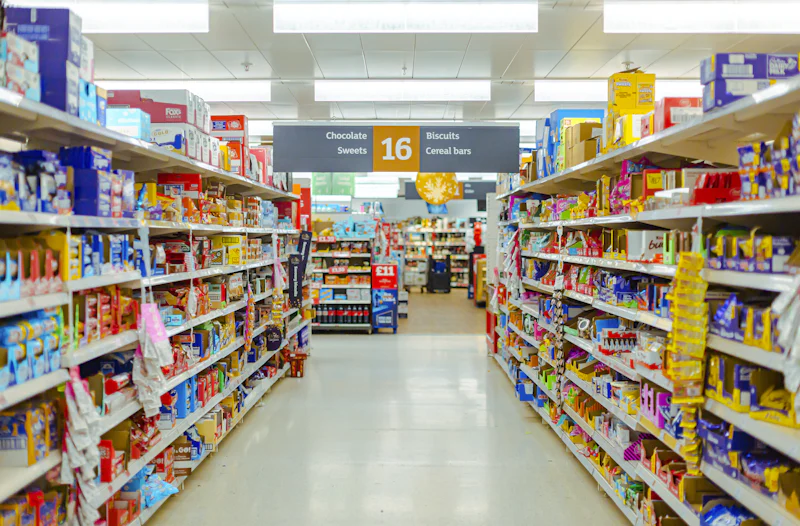
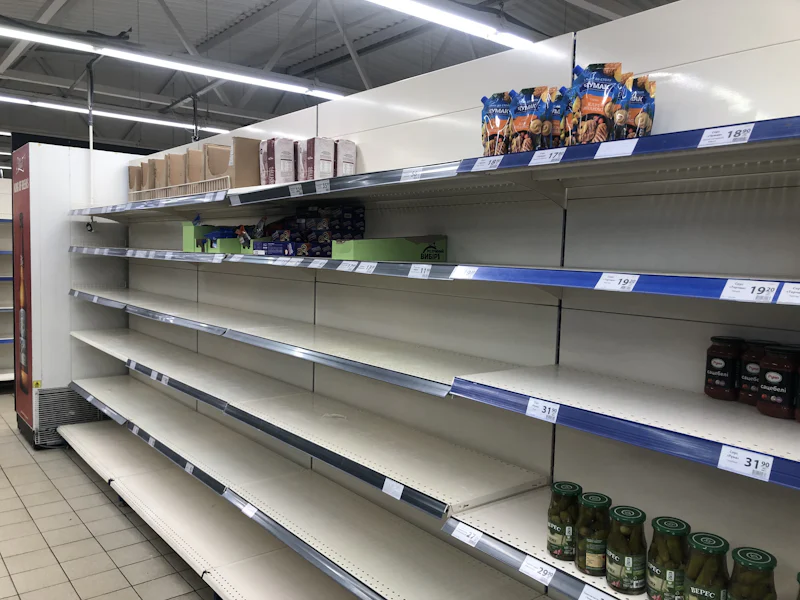
The golden age of the hypermarket in China, characterized by massive warehouse-style aisles and long weekend queues, is effectively over. Many large chains have faced declining foot traffic as the younger demographic and busy professionals opt for the 手机下单 (mobile ordering) lifestyle. Retailers are currently shifting their strategy to focus on smaller, more efficient 'neighborhood' stores that function primarily as fulfillment centers for apps like 美团 (Meituan) and 饿了么 (Ele.me). When you walk into an older store, you might notice wider empty spaces or reduced variety in non-essential inventory, as physical floor space is being converted to storage for high-velocity delivery orders.
Embracing the O2O Shopping Ecosystem
To navigate this shift, most expats have adopted grocery shopping via platforms like 盒马鲜生 (Hema Fresh) or 京东到家 (JD Daojia). These platforms offer a curated selection of fresh produce, imported goods, and essentials delivered to your door in as little as 30 to 60 minutes. The primary advantage is the integration with digital wallets like 支付宝 (Alipay) and 微信支付 (WeChat Pay), which provides a seamless transaction experience. For those who still prefer physical shopping, high-end supermarkets like CitySuper or Ole' remain consistent in their selection, though they cater to a higher price point than traditional domestic supermarkets.
Reconnecting with Local Fresh Markets
As hypermarkets decline, the 菜市场 (traditional wet market) has seen a resurgence in popularity, especially for those prioritizing fresh, seasonal produce. These markets offer an authentic local experience that hypermarkets cannot replicate, including fresh tofu, live seafood, and a wider variety of seasonal Chinese greens. While they lack the air conditioning and organized aisles of a Walmart, they remain the backbone of the Chinese grocery supply chain. Most vendors now accept digital payments via QR codes posted at every stall, making it easier than ever for foreigners to participate in the local market culture.
Practical Tips for Modern Grocery Habits
If you find your local supermarket lacking, try these three strategies to optimize your shopping: First, leverage app-exclusive promotions, which are often significantly cheaper than in-store shelf prices. Second, check the 'delivery-only' apps for specialized inventory that physical stores often hide from their front-facing aisles. Third, dedicate one morning a week to a 菜市场 visit for produce, using supermarkets only for bulk dry goods or specific international imports. By diversifying your grocery sources, you can avoid the frustration of empty aisles at large retailers while maintaining access to high-quality ingredients.
The key to successful grocery shopping in modern China is accepting that the physical supermarket is no longer the primary hub for your daily needs. How have you adapted your grocery shopping habits to favor digital delivery over traditional physical store visits?
Quick Takeaways:
- Use delivery apps like Hema or Meituan for 30-minute rapid grocery delivery services
- Traditional wet markets offer better seasonal produce variety than many struggling hypermarket chains
- Most local market vendors accept mobile payments via WeChat Pay or Alipay QR codes
- Prioritize neighborhood stores over large-scale hypermarkets to avoid inefficient, understocked physical aisles
#supermarkets #expatchina #retailtrends
