Understanding the divide between Daoism and Maoism is essential for grasping the dual nature of contemporary Chinese society, where ancient spiritual spontaneity balances against modern collective discipline. While Dao (The Way) emphasizes harmony with the natural flow of the universe and minimal interference, Maoism—the ideology of Mao Zedong—prioritizes human agency, structural transformation, and the power of collective mobilization to reshape reality. These two schools of thought do not merely represent the past versus the present; they function as distinct intellectual lenses that continue to influence everything from social etiquette to political rhetoric in China today.
The Philosophy of Non-Action
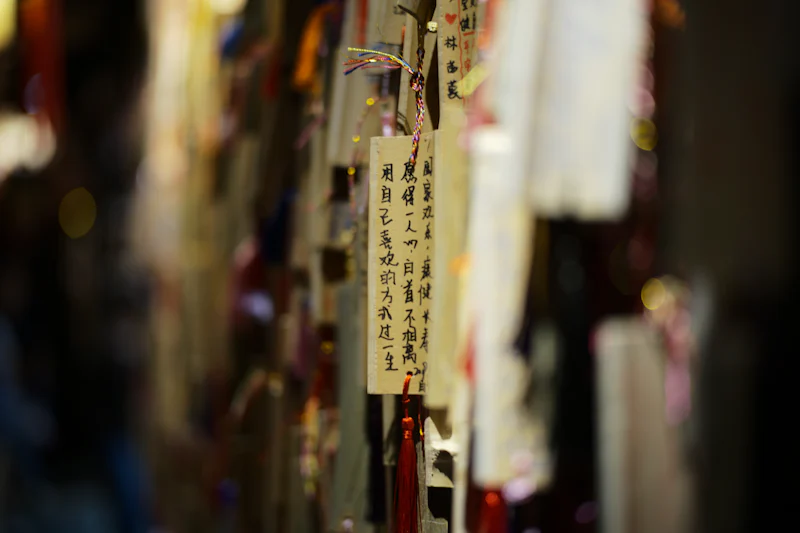
At the heart of Daojia (Daoist school) is the concept of Wu Wei (non-action or effortless action). This is not about passivity, but rather about aligning oneself with the natural rhythm of the world to avoid unnecessary conflict. Practitioners seek to minimize artificial constraints, favoring intuition and simplicity. For foreigners living in China, recognizing Wu Wei helps explain the cultural preference for indirect communication or the tendency to adapt to external circumstances rather than forcing a change. In a society that is rapidly modernizing, this ancient reliance on flexibility acts as a stabilizer against the stressors of hyper-paced urban life.
The Ideology of Human Agency
In stark contrast, Maoism represents a high-energy interventionist philosophy. Drawing heavily from Marxist historical materialism, it asserts that the human spirit and collective organization can overcome even the most daunting material limitations. This is often framed through the concept of Ren Ding Sheng Tian (man must conquer nature). Whereas Daoism suggests looking inward for peace, Maoism demands looking outward toward the collective. In modern China, this legacy is seen in large-scale infrastructure projects and national campaigns where the state mobilizes millions to achieve a specific goal within a tight, rigid timeline.
Synthesis and Modern Tension
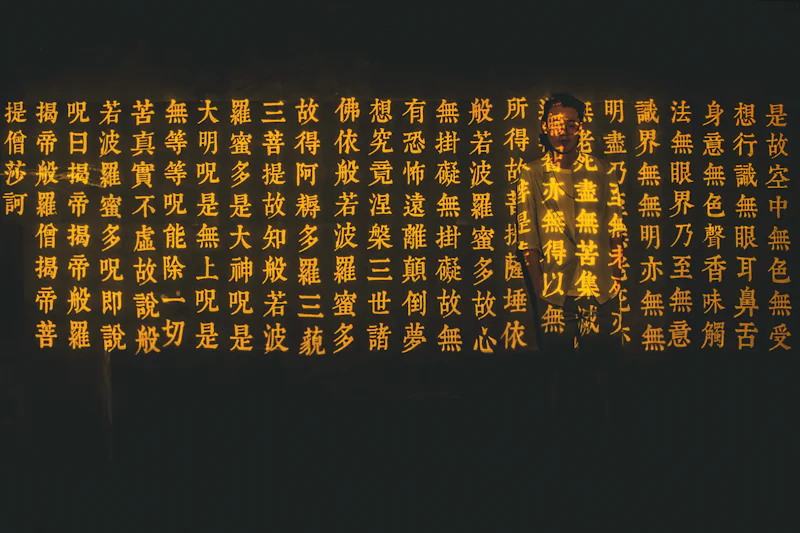
Chinese society today operates in the tension between these two poles. You will see this in the workplace: there is the Maoist drive for efficiency, competition, and clear hierarchical goals, yet there is also a persistent Daoist undercurrent that values patience, maintaining Mianzi (face), and seeking a balanced lifestyle. Modern Chinese philosophy often reconciles these by applying Daoist wisdom to personal life—such as the popularity of traditional tea ceremonies and Taiji (shadow boxing)—while applying Maoist-influenced structures to social and professional organization. It is a pragmatic synthesis that allows for both high-level productivity and individual survival.
Navigating Cultural Expectations
For those working in China, identifying whether a situation calls for a Daoist or Maoist approach is a subtle but valuable skill. If a project is stalled due to bureaucratic friction, a more Daoist approach—practicing patience and waiting for the right moment—is often more successful than pushing aggressively. Conversely, when setting clear organizational objectives, utilizing the clear, target-oriented communication styles popularized during the 20th century ensures that everyone remains aligned with the collective goal. Recognizing that these two frameworks coexist allows you to adapt your communication style to match the specific social context.
Mastering the interplay between these two schools of thought allows you to navigate the complexities of social and professional life in China with greater cultural nuance. How have you observed the tension between individual spontaneity and collective organization in your own workplace or social circles?
Quick Takeaways:
- Wu Wei encourages natural adaptation while Maoism focuses on active, collective social transformation.
- Daoist influence emphasizes patience and internal balance in an increasingly fast-paced urban environment.
- Maoist principles prioritize objective-oriented leadership and large-scale coordination of human and material resources.
#chineseculture #philosophy #lifeinchina
