Understanding Chinese ancestor veneration is essentially an act of practicing filial piety (孝, xiào) to maintain a connection between the living and the departed. Far from being a gloomy or superstitious ritual, it is a foundational aspect of Chinese cultural identity designed to express gratitude, seek guidance, and reinforce the continuity of the family line. For those of us exploring our roots or trying to integrate into a traditional Chinese family, viewing these practices through the lens of memory and legacy makes the tradition feel grounded, accessible, and deeply meaningful in a fast-paced modern world.
The Concept of Ancestor Tablets
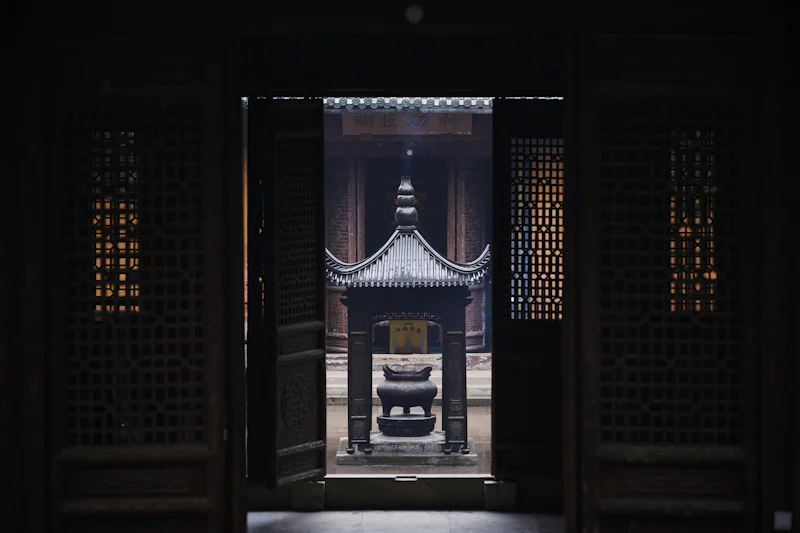
At the center of traditional household practice is the ancestor tablet, known as shénwèi (神位). These are not merely decorative items but symbolic dwellings for the spirits of departed family members. In many households, you will see a small home altar, often placed in a prominent area of the living room. If you are invited to view one, treat it with the same respect you would a memorial site. The tablet typically contains the name, birth date, and death date of the ancestor in gold or black calligraphy. Remember that these items are treated with extreme care; never touch them without an explicit invitation from the eldest member of the family, as they represent the physical manifestation of your heritage.
Essential Rituals and Offerings
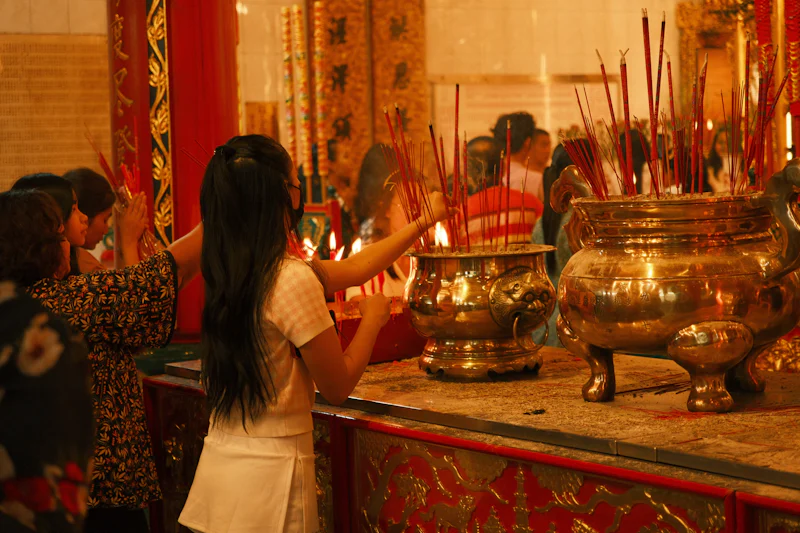
Rituals associated with honoring a Chinese grandpa or other ancestors are generally centered on specific dates, such as the Qīngmíng Jié (清明节, Tomb-Sweeping Day) or the anniversary of the passing. Common offerings include fruit, tea, and sometimes specific dishes that the ancestor enjoyed in life. Incense burning is another core practice, symbolizing the bridge between the physical and spiritual realms. When offering incense, hold the sticks with both hands as a gesture of sincerity. It is common to bow three times as a sign of humility and respect. If you find yourself attending a ceremony, observe how the family members perform the movements; silence is usually expected, and moving with deliberate, calm steps is considered the highest form of etiquette.
Bridging Tradition and Modernity
In modern cities, physical constraints often limit the ability to maintain large home altars. Consequently, many families have adapted by using smaller, minimalist memorial spaces or even digital archives. Some families utilize platforms like wēixìn (WeChat) to share family stories and photos on significant anniversaries, ensuring the younger generation remains connected to their lineage. Do not worry if your knowledge of these customs is limited; most Chinese families prioritize the sincerity of your intent over technical perfection. Taking the time to ask about family history is, in itself, a form of ancestor veneration, as keeping the memory of one's elders alive is the ultimate goal of these traditions.
Common Cultural Pitfalls
Avoid being overly casual when discussing death or ancestors, especially during formal family gatherings. Refrain from pointing at altars or tablets, as gestures should always be made with an open palm. If you are participating in a cemetery visit, dress modestly in subdued colors rather than bright or flashy attire. If you are unsure of the correct protocol, the best approach is to stand slightly behind the elders, observe their lead, and replicate their actions quietly. Being a respectful observer is perfectly acceptable for a beginner and is often appreciated by hosts who are glad to see you taking an interest in the family legacy.
Ultimately, ancestor veneration is about strengthening family bonds and keeping the stories of those who came before us alive through consistent, intentional acts of remembrance. How have you navigated participating in cultural rituals that were new to your own upbringing?
