Deciding whether to live in Beijing vs Shanghai depends entirely on whether you prioritize political history and northern cultural grit or international commerce and a modern, maritime lifestyle. Beijing offers the soul of traditional China with its vast imperial history, while Shanghai provides an ultra-modern, efficient, and globally connected environment that is often more comfortable for newcomers. There is no objectively 'better' city; rather, it is a choice between a capital of grand scale and a financial engine that never stops moving. Your career trajectory and personal pace of life should dictate your final decision.
Beijing: The Cultural Heart and Bureaucratic Center
Living in Beijing is an exercise in scale. The city is sprawling, defined by its hútòng (narrow alleyways) and massive imperial landmarks like the Forbidden City. For expats, Beijing offers unparalleled access to government institutions, media, and education. Socially, the expat scene here often feels more grounded in academia, diplomacy, and the arts. However, be prepared for the 'Beijing hustle'—distances are vast, meaning your commute via the dìtiě (subway) can easily exceed an hour. The cost of living in central districts like Chaoyang is high, but you can find more affordable options as you move toward the 5th or 6th ring roads. The air quality has improved significantly over the last decade, yet the northern dry climate remains a distinct feature compared to the damp south.
Shanghai: The Global Gateway and Commercial Hub
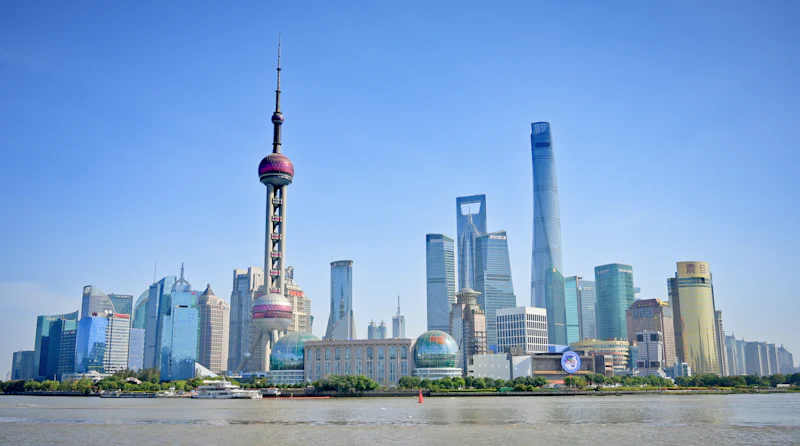
If you prefer a city that feels like a blend of East and West, Shanghai is the clear choice. It is the financial center of the country and home to the headquarters of thousands of multinational corporations. The lifestyle here is more cosmopolitan, with a cafe culture and nightlife that rivals major European cities. Using apps like zhīfùbǎo (Alipay) and měituán (Meituan) to manage your daily life is incredibly seamless in Shanghai, where the density of services is higher than almost anywhere else. The weather is more humid, and the city landscape is defined by the contrast between the historic Bund architecture and the futuristic skyline of Lujiazui. While it is often more expensive for imported goods, the convenience of living in a highly walkable, internationalized urban core is a major selling point for expatriates.
Career and Lifestyle Trade-offs
When weighing your options, look at your industry. Beijing is the headquarters for state-owned enterprises, many high-tech firms, and international NGOs. Shanghai is the dominant choice for finance, manufacturing, luxury retail, and advertising. Lifestyle-wise, Beijingers tend to be more informal and boisterous in social settings, often centered around outdoor activities or hearty dinners. Shanghainese social life is more polished, focusing on bars, galleries, and restaurant culture. Remember that your residency permit process is governed by the same national laws, but the local pàichūsuǒ (police station) in each city may have slight variations in how they process documents like your jūzhùdēngjì (residence registration). Ensure your employer has a strong HR team in your chosen city to handle these local nuances.
Ultimately, your happiness depends on whether you prefer the intellectual gravity of the capital or the fast-paced, western-facing environment of the financial hub. If you could choose your ideal neighborhood in either city based solely on atmosphere, which one would you pick?
Quick Takeaways:
- Beijing offers deep historical roots and a strong diplomatic and academic expat community.
- Shanghai provides superior convenience and a more polished, internationally-focused daily urban lifestyle.
- Choose Beijing for government, media, or arts; choose Shanghai for finance and commerce.
- Always verify local residence registration requirements at your local police station upon arrival.
#liveinbeijing #liveshanghai #expatchina
