Sichuan province offers much more than just the crowded boardwalks of Jiuzhaigou; the most rewarding travel experiences lie in the rugged western highlands where the landscape remains largely untouched by mass tourism. While many visitors flock to established hotspots, you can find profound solitude and breathtaking vistas by heading toward the Garze Tibetan Autonomous Prefecture or the hidden valleys tucked away near the borders of Yunnan. The key to successful nature trips near Chengdu is prioritizing high-altitude transit, as the infrastructure changes significantly once you leave the urbanized basins of the Sichuan plain.
Exploring the Hidden Highlands of Garze
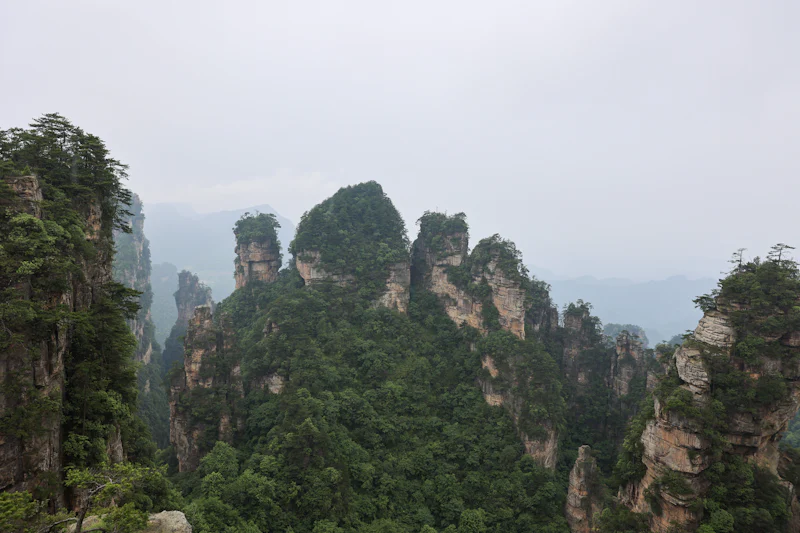
For those seeking raw, alpine beauty, the region surrounding Daocheng Yading (Daocheng Yading Nature Reserve) provides a stunning alternative to standard mountain resorts. Unlike the highly managed pathways of Jiuzhaigou, these trails require a higher level of physical preparation due to the altitude, which often exceeds 4,000 meters. Before you depart, ensure your 支付宝 (Alipay) is fully verified, as many remote guesthouses rely on mobile payments even in high-altitude areas. If you are prone to altitude sickness, spend two nights in Kangding to acclimatize before pushing further west toward Litang, known as the highest town in the world.
Navigating the Best Seasons
The climate in western Sichuan is notoriously fickle, making timing the most critical factor for a smooth trip. Avoid the rainy season between July and August, when mountain landslides often disrupt the G318 National Highway. The optimal window for travel is late September to mid-October, when the landscape turns vibrant gold and the skies remain consistently clear. Always check the 高德地图 (Amap) app for real-time traffic updates, as road closures are frequently updated there ahead of major international mapping services.
Essential Logistics for Mountain Travel
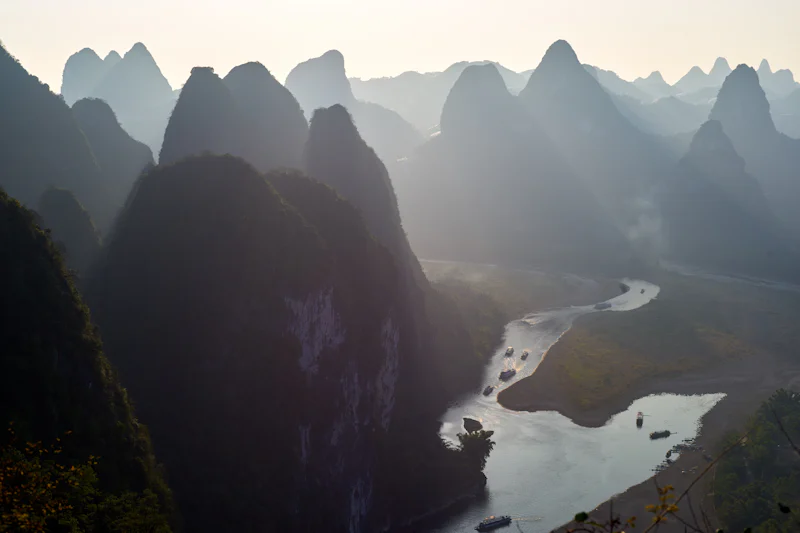
When planning a trip beyond the tourist trail, forget about traditional trains, as rail infrastructure is still expanding into these remote regions. Most travelers rely on private hire cars or dedicated tourist shuttle buses departing from Chengdu's Xinnanmen Bus Station. If you choose to rent a vehicle, ensure you have an international driving permit recognized by Chinese authorities, though hiring a local driver with experience in mountain passes is often safer during the snowy off-season. Always carry a physical copy of your passport; the police check-points located along the major provincial highways will require it for verification.
Practical Tips for Jiuzhaigou Alternatives
If your goal is nature without the crowds, consider the Siguniang Mountain (Four Girls Mountain) region. It is closer to Chengdu than Jiuzhaigou and offers three distinct valleys that accommodate both amateur hikers and professional mountaineers. The logistics here are simpler; there is a frequent bus service from the Chadianzi Bus Station in Chengdu. Entrance fees for these remote parks are usually processed through WeChat mini-programs, so ensure your mobile data is active before reaching the park gates.
Mastering travel in Sichuan depends less on finding the perfect route and more on respecting the environmental conditions and altitude constraints of the western plateau.
What is your preferred method for managing altitude sickness when traveling through high-elevation areas in China?
Quick Takeaways:
- Prioritize visiting between late September and mid-October for the best weather and visibility.
- Use the Amap app for the most accurate, real-time road closure and traffic alerts.
- Always carry your physical passport for mandatory police check-points along mountain provincial highways.
- Allocate at least two nights in Kangding to properly acclimatize before moving to higher altitudes.
#travelsichuan #chinanature #chinatraveltips
