Life in China in the 1980s was characterized by a profound sense of transition, marking the beginning of the gaige kaifang (Reform and Opening-up) era that fundamentally altered the country's social and economic landscape. While daily life remained modest by modern standards, this decade served as the bridge between the austerity of the preceding decades and the hyper-modern urbanization we see today. Understanding this period is essential for any expat wanting to grasp the cultural evolution China has undergone, as the values, work ethic, and social structures developed during this time continue to influence modern Chinese society and interpersonal dynamics.
The Era of the Iron Rice Bowl
For the average urban citizen in the 1980s, employment was largely synonymous with the tie fan wan (iron rice bowl), a system where state-owned enterprises provided guaranteed lifetime employment, housing, and social services. Unlike the competitive job market found on apps like Liepin (a recruitment platform) today, people generally worked where they were assigned. Daily life revolved around the danwei (work unit), which functioned as the primary center for social activities, medical care, and political life. This system instilled a deep sense of collective identity but offered little room for the professional mobility that defines the contemporary Chinese career path.
Contrasting Urban and Rural Realities
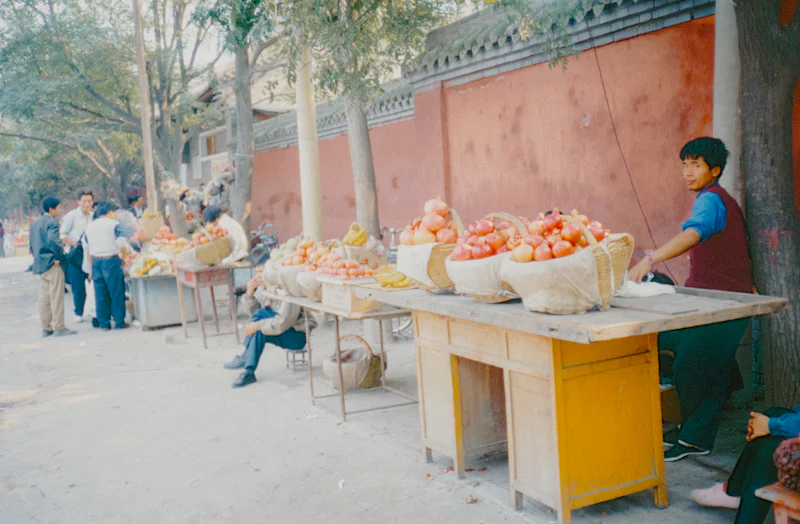
The divide between urban and rural China history in the 1980s was stark. While cities were beginning to see the first wave of light consumer goods—like the 'three big items' (san da jian): bicycles, sewing machines, and wristwatches—rural areas were primarily focused on the shift from the commune system to the household responsibility system. This policy allowed farmers to sell surplus produce on the open market for the first time, sparking an early wave of wealth creation. While urban residents queued for basic necessities using the liangpiao (grain ration coupons), those in the countryside were experiencing a release of labor that would eventually fuel the massive internal migration to coastal cities in the following decade.
Cultural Shifts and Early Consumerism
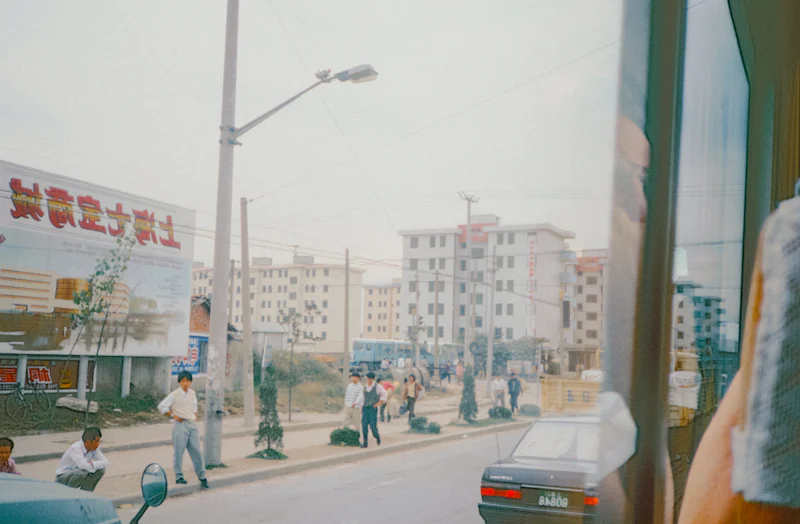
Daily life in China past was defined by communal interaction and restricted access to global media. Television sets were rare and often placed in public squares for entire neighborhoods to watch together. By the mid-1980s, the influence of Western music and fashion began to trickle in, often referred to as chao (tide), symbolizing a move toward individual expression. This was a period where the 'bicycle kingdom' was in full effect; with few private cars, the streets were filled with thousands of cyclists commuting in synchronized waves. The shift from standardized blue and gray 'Mao suits' to more diverse clothing styles marked the beginning of a newfound social liberalization that paved the way for the current era of hyper-connectivity and globalized consumer trends.
Lessons from Rapid Transformation
This decade reminds observers that China's current speed of development is not just a recent phenomenon, but a momentum built over forty years of steady, aggressive change. When navigating contemporary China, you are observing the descendants of a generation that transitioned from a planned, rationed economy to one of the world's most dynamic digital landscapes. Recognizing this helps in understanding the immense value placed on stability and collective progress within the culture today.
Understanding the rapid transition of the 1980s provides a necessary lens to view the intense drive for modernization and success in today's society. Have you spoken with local friends or colleagues about their own memories or their parents' stories from this transformative decade?
Quick Takeaways:
- The tie fan wan provided lifetime employment and housing within the danwei structure.
- Grain ration coupons, or liangpiao, were mandatory for purchasing daily necessities in cities.
- Rural reform allowed farmers to sell produce on open markets for the first time.
- Bicycles remained the primary mode of transportation for the vast majority of citizens.
#chinahistory #culturaldevelopment #urbanization
