Managing China income tax reporting for spouses requires a clear separation of income sources and timely documentation from your employer to prevent double taxation. The most effective approach is to ensure your 个人所得税 (Gè rén suǒ dé shuì - Individual Income Tax) records are digitally synced through the official tax bureau application, while simultaneously maintaining a paper trail of overseas assets for your home country’s revenue service. By treating your China-based work permit tax records as a standalone financial asset, you protect your legal standing in both jurisdictions.
Accessing Your Official Tax Records

To prove your income to foreign tax authorities, you must utilize the 个人所得税 (IIT) mobile app. This tool allows you to export your income certificates directly. You should request the 'Tax Payment Certificate' (完税证明 - Wán shuì zhèng míng) on an annual basis. This document is the gold standard for proving your salary and tax contributions in China. Most foreign governments accept this when verifying foreign income tax returns, provided it is stamped with the official seal of the local tax office.
Navigating Cross-Border Tax Inquiries
If you have a spouse who is not working in China but has income abroad, you must determine if you are a tax resident in both countries. China’s tax law typically considers you a resident if you spend 183 days or more in the country. To manage inquiries, keep a ledger of your entry and exit stamps or your digital flight records. If your home country requires proof of tax paid in China to grant a tax credit, the 完税证明 is your primary tool. Do not wait until the end of the year to collect these; download them monthly or quarterly to avoid system downtime during peak reporting seasons.
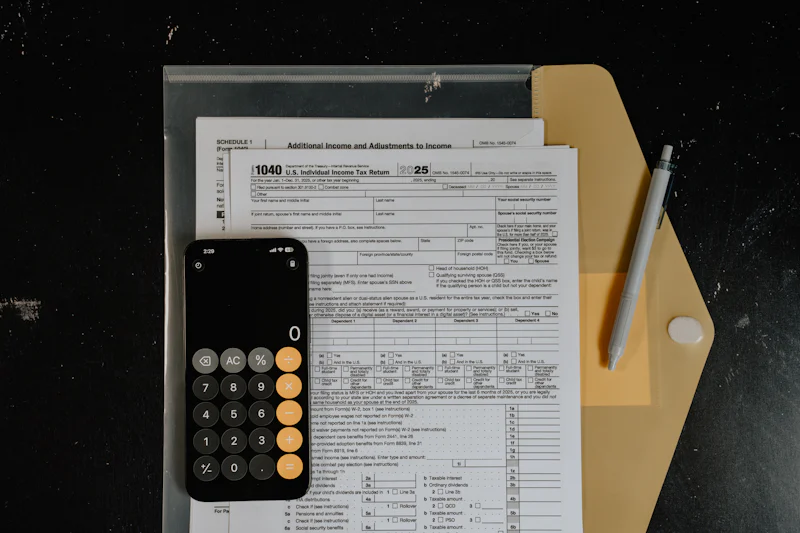
Managing Spousal Reporting Requirements
When dealing with spousal declarations, the biggest pitfall is failing to account for 'Global Income.' If you are a tax resident in China, the tax bureau may technically require you to report worldwide income, though enforcement varies by city and individual case. For expats, it is crucial to consult a certified accountant regarding the 中外税收协定 (Zhōng wài shuì shōu xié dìng - China-Foreign Tax Treaty). These treaties are designed to avoid double taxation, but they only work if you proactively claim the benefits. If you are filing jointly with a spouse abroad, ensure your China income is translated and formatted according to your home country’s reporting standards.
Practical Documentation Habits
Always save the 'Withholding Statement' provided by your company’s HR department. This document, often referred to as the 工资条 (Gōng zī tiáo - Payslip), should clearly delineate your base salary, bonuses, and tax deductions. Ensure your company uses your passport number consistently across all tax filings. A mismatch between your 工作许可证 (Gōng zuò xǔ kě zhèng - Work Permit) and your tax registration number can lead to long delays during annual reconciliations. If you are ever audited, having these physical files organized by year will save you weeks of administrative burden.
Effective tax management relies on maintaining a consistent digital trail of your 完税证明 while ensuring your home country filings accurately reflect the credits earned through your China tax residency. How have you managed to synchronize your tax documentation between Chinese authorities and your home country’s tax office?
Quick Takeaways:
- Export your official tax certificates monthly using the national 个人所得税 mobile application.
- Keep a ledger of entry and exit dates to verify your tax residency status.
- Utilize China-Foreign Tax Treaties to claim credits and avoid paying tax twice.
- Request the 完税证明 annually to provide verified proof of income to foreign authorities.
#chinatax #expattax #workinbiz
