Registering a drone in Shenzhen as a foreigner requires completing the national CAAC drone registration process and adhering to strict local airspace regulations. The most critical step is obtaining your UOM (Unmanned Aircraft Owner/User) registration code via the Civil Aviation Administration of China (CAAC) online portal, which must be affixed to your aircraft. Shenzhen is a high-density urban environment, meaning that flying without proper authorization can lead to immediate fines or confiscation of equipment, so understanding the city's complex flight map is non-negotiable for drone operators residing here.
Navigating the CAAC Drone Registration System
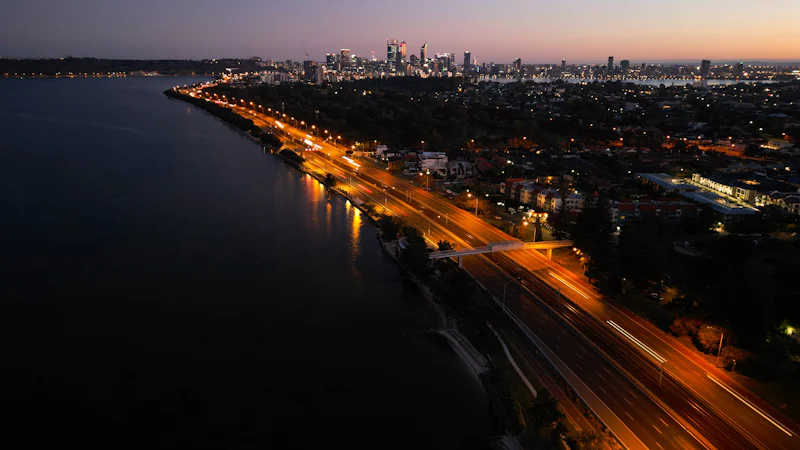
All drones weighing over 250 grams must be registered with the 中国民用航空局 (Civil Aviation Administration of China), or CAAC. You can access the registration system through their official website or the UOM mini-program within 支付宝 (Alipay). For foreigners, you will need your passport details to create an account. Once registered, the system generates a unique QR code. You must print this code and attach it firmly to the drone’s frame. This is not just a suggestion; local authorities frequently check for this sticker during patrols, especially in popular parks or near the coastline.
Understanding Shenzhen Airspace Restricted Zones
Shenzhen has some of the strictest drone regulations in China due to its proximity to international borders and critical infrastructure. The city utilizes a dynamic airspace management system. Before flying, you must check the 'UOM' (Unmanned Aircraft Owner/User) platform or the 'Shenzhen Drone Airspace' service to see if your intended location is a 'no-fly zone' (NFZ). You are strictly prohibited from flying within 10 kilometers of airports, such as Shenzhen Bao'an International Airport, or near sensitive government buildings. Most of Shenzhen’s city center is a controlled zone, meaning manual authorization is required for almost any flight.
Applying for Flight Authorization
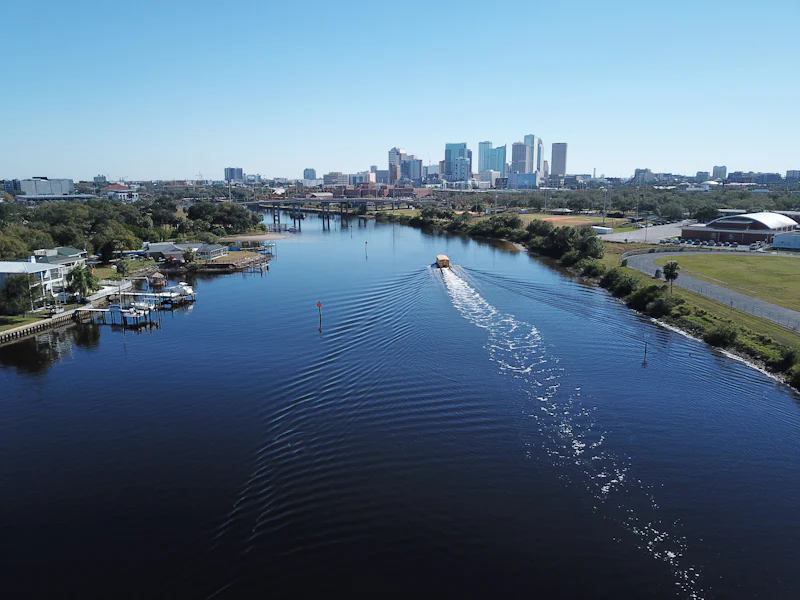
If you intend to fly in a restricted area, you must request permission through the local 空管 (Air Traffic Control) authorities or the UOM system. This process involves submitting your flight plan, which includes the date, time, and coordinates of your flight. For amateur pilots, the easiest way to remain compliant is to visit dedicated 'drone parks' or approved flying zones. Always carry your passport and your drone registration documents when flying, as police officers may ask for proof of ownership and authorization during spot checks.
Avoiding Common Pitfalls
Many foreigners make the mistake of assuming that if their drone is not restricted by GPS software (like DJI’s Geo-fencing), it is legal to fly. This is a dangerous misconception. Local city ordinances supersede manufacturer software. Always prioritize the physical signage found in public parks; if you see a sign explicitly prohibiting drones, do not attempt to bypass it by using third-party unlocking tools. Furthermore, avoid posting drone footage of restricted infrastructure or military facilities on social media, as this can lead to severe legal complications under local privacy and national security laws.
Registration is only the first step in a broader system of compliance that requires constant vigilance regarding local flight maps and authorization protocols.
Have you had any success using the official UOM platform to request flight authorization in Shenzhen?
Quick Takeaways:
- Register your drone via the CAAC portal and attach the QR code immediately.
- Always check the UOM platform for real-time no-fly zone updates before every flight.
- Never fly near airports or government buildings to avoid severe legal consequences and fines.
- Carry your passport and registration proof at all times when operating in public areas.
#droneregistration #shenzhenlife #chinatravel
