The China lifestyle is not a universal fit; it is an environment that amplifies your existing personality traits, making it either an incredibly rewarding adventure or a source of persistent friction. Thriving here depends less on your passport or professional background and more on your cognitive flexibility. While the country offers unparalleled convenience and economic opportunities, the rapid pace of change and the necessity of mastering local systems can be exhausting for those who prioritize predictability over adaptability. Success in China requires a willingness to accept that the rules of the game are subject to constant, localized evolution.
The Reality of Digital Integration

One of the most immediate hurdles for newcomers is the total reliance on a mobile-first digital ecosystem. Living here requires proficiency in 支付宝 (Alipay) and 微信 (WeChat) for everything from utility payments to booking doctor appointments. Those who find digital interfaces intuitive and enjoy the efficiency of "everything apps" tend to settle down in China much faster than those who struggle with the necessity of constant software updates and account verification processes. If you view tech integration as a frustrating barrier rather than a streamlined tool, you will likely find the daily logistics of life in China to be a constant source of stress.
Navigating Cultural Ambiguity
Expats who flourish in China typically possess a high tolerance for 面子 (mianzi, or face) and indirect communication. In many professional and social interactions, the context of a conversation is just as important as the literal words used. If you are someone who thrives on direct, explicit feedback and rigid adherence to established procedures, the "flexibility" of Chinese business and social norms can feel like chaos. Successful long-term expats usually develop a strategy of "observational learning," where they watch local colleagues for cues on how to handle bureaucratic hurdles or social hierarchy before taking action themselves.
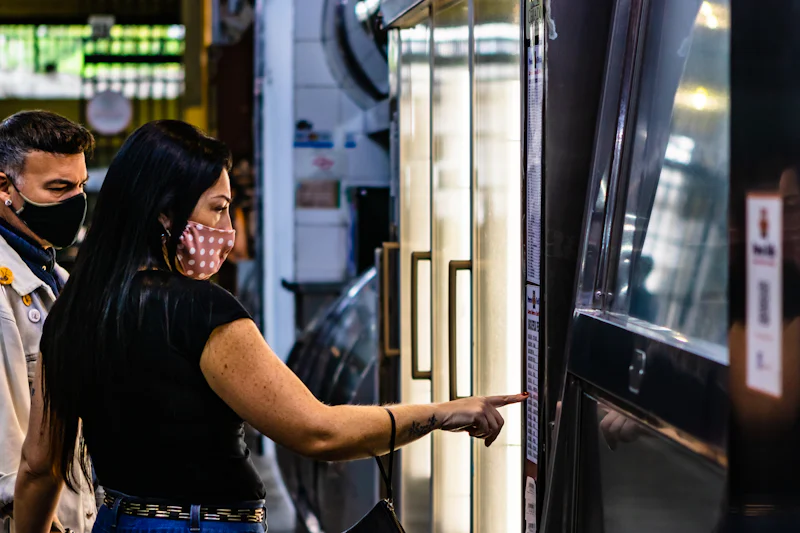
Balancing Urban Pace and Personal Wellness
Choosing the right environment is crucial for expat happiness. First-tier cities like Shanghai or Shenzhen offer international amenities and high-energy networking, which suit those driven by career progression and urban excitement. However, these cities often come with high rent and demanding work cultures. Conversely, smaller provincial capitals may offer a more affordable cost of living and a slower, more community-focused lifestyle, but they require a higher level of Mandarin proficiency to navigate daily life. Matching your personal need for stimulation versus tranquility against your chosen city is the single most effective way to ensure long-term satisfaction.
Managing the Adaptation Curve
Most expats go through a "honeymoon phase," followed by a "frustration phase" as the novelty wears off and the complexity of daily life becomes apparent. During the first six months, focus on mastering the basics of the 生活 (shenghuo, or daily life) essentials: local transport apps, grocery delivery, and basic emergency contacts. Understanding that you will not understand everything immediately is the most important psychological milestone. The expats who stay for years are those who stop comparing China to their home country and instead view it as a unique, self-contained system with its own logic.
Living in China is not about conforming to a single standard but finding your specific niche within a massive, diverse landscape.
Which aspect of the Chinese lifestyle was the most challenging for you to accept when you first arrived?
Quick Takeaways:
- Master mobile platforms like Alipay and WeChat to survive the daily digital ecosystem requirements.
- High tolerance for ambiguous communication and social cues is essential for long-term integration success.
- Match your personal pace and career goals to the specific tier of your city.
- View the adaptation curve as a multi-stage process rather than a single sudden realization.
#chinalifestyle #expatlifeLiving #chin #settlingdown
