Finding high-quality classical music records in Beijing and Taipei is entirely possible, though it requires shifting your focus from mainstream retail malls to specialized independent shops that curate vintage and imported vinyl. While digital streaming dominates the market, Beijing’s hidden alleyways and Taipei’s refined listening rooms offer deep catalogs for the discerning collector. The most successful collectors in these cities prioritize visiting local shops on weekday afternoons, as many independent owners are willing to share recommendations and play rare pressings once the weekend crowds dissipate.
Beijing’s Classical Vinyl Landscape
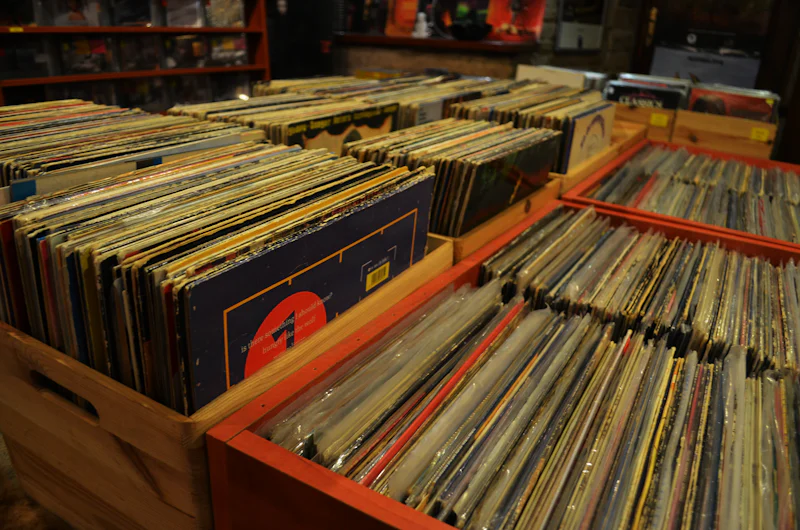
Finding specific record stores in Beijing often feels like a treasure hunt because the scene is scattered across the city rather than concentrated in one district. The most reliable spots for classical enthusiasts are usually found in the 胡同 (hútòng, traditional alleyways) near Gulou or within the creative parks of Chaoyang. A standout is often the shop that specializes in vintage European pressings, as these shops frequently source collections from liquidated estates. When browsing, always look for the matrix number on the run-out groove of the record to verify the pressing, as this is the industry standard for determining value and audio quality. If a shop owner shows you a record, it is customary to use the 大众点评 (Dàzhòng Diǎnpíng, popular review app) to check if the store has recent inventory updates before making a long trip.
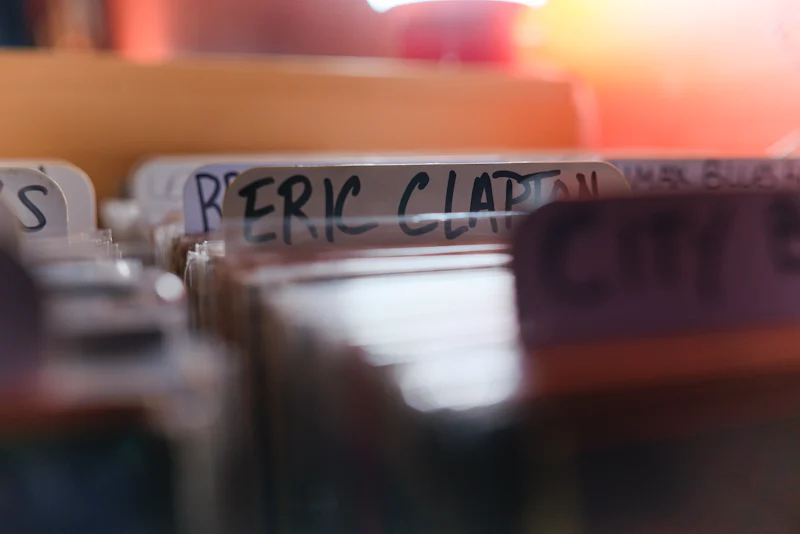
Navigating Taipei’s Audiophile Scene
Taipei offers a more organized environment for classical music seekers, with a high concentration of shops located around the Ximending and Zhongshan districts. Many stores here operate as hybrid spaces—part café, part record shop—where you can audition the record on high-fidelity equipment before purchase. In Taipei, look for shops that feature 'Audiophile Grade' labels, which indicate the store provides proper cleaning services using an ultrasonic record cleaner. Because humidity is a factor in Taiwan, ensure you inspect the inner sleeves for foxing or mold damage, as even the best-kept classical collections can suffer in the tropical climate.
Practical Tips for Rare Finds
To succeed in building your collection, you must master the art of the 'dig.' In both Beijing and Taipei, physical condition is paramount. Use a smartphone flashlight to inspect the surface of the vinyl for deep scratches or 'skips' that would render a classical movement unlistenable. When communicating with owners, knowing the Chinese term for 'Classical music'—古典音乐 (gǔdiǎn yīnyuè)—will help you immediately narrow the search. If you are specifically looking for Western composers, carry a list of your preferred conductors and orchestras in Chinese, as shop owners often categorize inventory by the performer's name rather than the composer. Finally, always ask for a 'record brush' or 'inner sleeve' at the counter; most professional shops in these cities keep these as add-ons to help protect your investment during transit.
Success in finding rare classical records depends less on the size of the store and more on the depth of the shopkeeper's personal archive. Which specific composers or conductors are currently at the top of your hunting list?
