If you’re planning to enter mainland China from Hong Kong without a visa, the key is not simply how long you want to stay: your full route must qualify as transit, and your entry port, exit port, passport and permitted travel area must match the current rules. This guide is for travelers deciding whether to cross into Shenzhen or another mainland destination before continuing elsewhere. A trip from Hong Kong into China and straight back to Hong Kong usually does not meet the third-destination test.
Check that your route really is transit
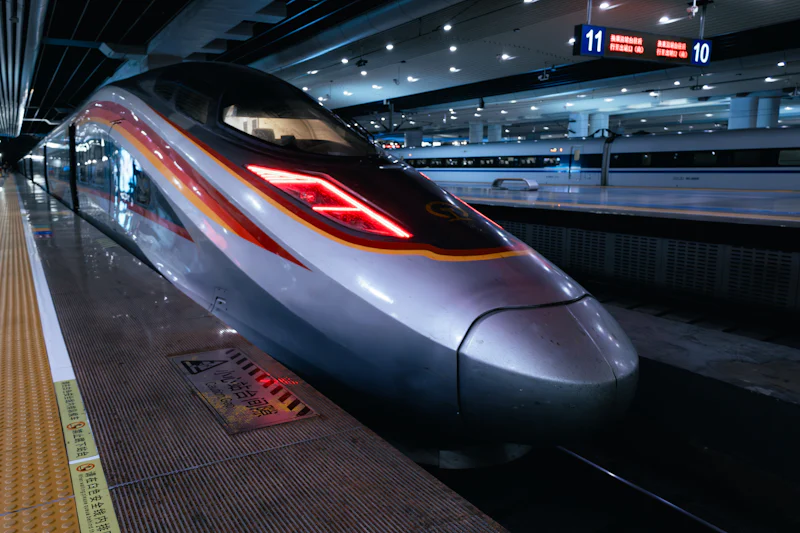
For the 240-hour visa-free transit policy, the usual route pattern is Region A → mainland China → Region B, with A and B different countries or regions. Hong Kong is generally treated as a separate region for this route test. So, for example, Hong Kong → Shenzhen → Vietnam may fit the pattern; Hong Kong → Shenzhen → Hong Kong does not. A return ticket to the place you came from is a common reason an itinerary fails the test.
Check every leg, not just your mainland crossing. If you fly from London to Hong Kong, travel overland to Shenzhen, then fly from Guangzhou to Singapore, make sure the authorities accept those specific entry and exit points for the policy you plan to use. A ticket showing a confirmed onward departure is important; a planned bus ride or an unbooked flight may not be enough. Keep your booking confirmation accessible offline as well as in your email.
Verify your passport, ports and permitted area
The 240-hour policy is limited by nationality, designated entry and exit ports, and permitted areas. The eligible-country list and port arrangements can change, so check the National Immigration Administration’s current guidance before buying non-refundable tickets. Do not assume that because one Shenzhen crossing is convenient, it is approved for your route or policy.
This matters especially for travelers entering from Hong Kong by land. Check that the exact mainland port you plan to use—such as a Shenzhen land crossing—is listed for the relevant transit arrangement, and that your planned exit port is permitted too. Also confirm that every mainland stop on your itinerary falls within the allowed area. A train from Shenzhen to Guangzhou may be possible under a particular arrangement, while a side trip outside its permitted area may not be.
The 24-hour transit arrangement is different: it is generally for transit through China within 24 hours, and travelers may have to remain in the port’s restricted area. If you need to leave that area, you may need approval for a temporary entry permit from immigration at the port. It is not a safe substitute for checking whether you qualify for a longer stay.
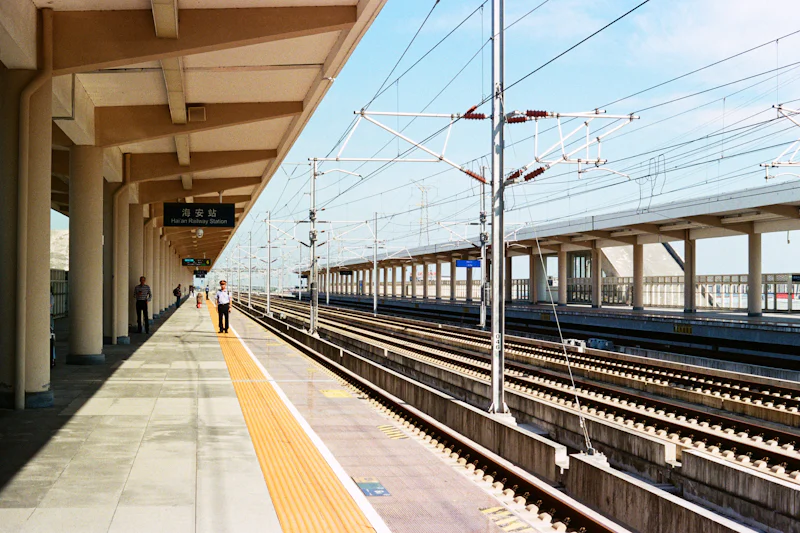
Prepare the documents immigration may ask for
Carry your valid passport and confirmed onward ticket showing where and when you will leave mainland China. Have your complete itinerary ready, including the Hong Kong-to-mainland leg, the mainland entry and exit ports, and any connecting flight, train or ship booking. A foreigner crossing at Shenzhen and flying onward from Guangzhou should be able to show how those legs fit together.
At the border, tell the immigration officer that you are requesting visa-free transit and follow the port’s instructions. Admission is assessed at the time; meeting the broad route pattern does not guarantee permission to enter. If your onward ticket changes, your flight is cancelled, or you are asked to use a different exit port, check with immigration before continuing rather than assuming the original arrangement still works. Save a screenshot of the current official rules and your ticket details in case you have limited data at the crossing.
Don’t confuse transit with a normal visit
Visa-free transit is not the same as entering mainland China for an ordinary open-ended visit. Your permitted stay and movements depend on the policy under which you are admitted. The 240-hour option may allow travel, business visits or family visits within its designated area, but it does not make activities such as taking a job or studying permissible without the required visa or approval.
There may also be a separate Guangdong group-travel arrangement for eligible foreign visitors in Hong Kong or Macao, involving a legally registered travel agency and specific ports and conditions. Treat that as a different route—not an automatic extension of individual 240-hour transit. If you are considering a guided group crossing into Guangdong, ask the agency to confirm the current requirements, itinerary and permitted stay in writing before paying.
What People Usually Miss
The destination on your onward ticket matters as much as the place you enter from. If you start in Hong Kong, spend two nights in Shenzhen, then return to Hong Kong before flying home, that may be a normal Hong Kong–mainland visit rather than qualifying transit. An onward destination such as Macao or another country or region may satisfy the route pattern, but you still need to meet the nationality, port and area conditions.
People also overlook the exact port pairing. A qualifying airport departure does not automatically make every land crossing or ferry arrival acceptable. Before booking a hotel in Guangzhou or a train out of Shenzhen, check the official current port list and ask the relevant border inspection authority if your route is unusual. If you cannot confirm the route, arrange the appropriate visa before travel instead of relying on a general summary online.
In short, plan the route as Hong Kong → mainland China → a different country or region, then verify your passport eligibility, both ports and the permitted area against current official guidance. Has anyone recently used visa-free transit from Hong Kong through a Shenzhen crossing, and which entry and exit ports were accepted?
Quick Takeaways:
- Map the full route; returning to Hong Kong may fail the third-destination requirement.
- Confirm your passport nationality qualifies under the current transit policy.
- Check both mainland ports and every planned stop against current permitted-area rules.
- Carry your passport and confirmed onward ticket with the full itinerary accessible.
#chinavisa #hongkong #shenzhen