If your China visa is in an old passport, the passport’s expiry alone does not necessarily make the visa unusable. The visa may still be accepted if it remains valid, intact, legible, and linked to your current identity. A China visa in a damaged old passport presents a different risk: carrying a new passport does not resolve concerns about damage to the old booklet. An airline or border officer may question whether the visa and passport can be verified.
First separate passport expiry from passport damage
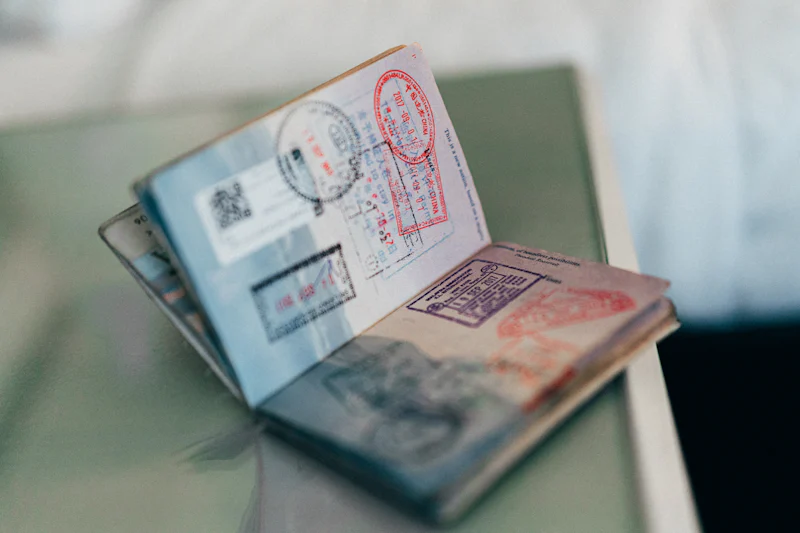
An expired passport with an intact visa is not the same situation as a water-damaged passport. If the visa page is clear, the visa has not expired or been cancelled, and your personal details still match, travelers are often advised to carry both the old passport containing the visa and the valid new passport. This is a common arrangement after renewing a passport because it expired or ran out of blank pages.
Damage changes the assessment. Check for swelling, pages stuck together, run or faded ink, peeling or detached pages, a loose cover, or marks that obscure the passport number, photo, visa number, validity dates, or entry details. Water can blur a detail even when the booklet looks mostly intact. If the visa page is affected, do not assume the visa will be accepted just because it remains attached.
Check the visa page and identity details closely
In good light, inspect the old passport’s identity page and visa page. Compare your name, nationality, date of birth, passport number, and photo with your new passport and travel booking. If your name or nationality has changed, the usual advice to carry both passports may not apply; ask the relevant Chinese visa authority how to proceed.
Check the visa’s printed validity dates and permitted entries. A visa that looks undamaged may still be expired or have no entries remaining. A visa with time left may still be questioned if its page is torn, stained, faded, or separating from the booklet. Do not tape, laminate, or try to repair a visa page yourself. Ask the issuing authority whether it recommends another step.
Decide whether to travel with both passports
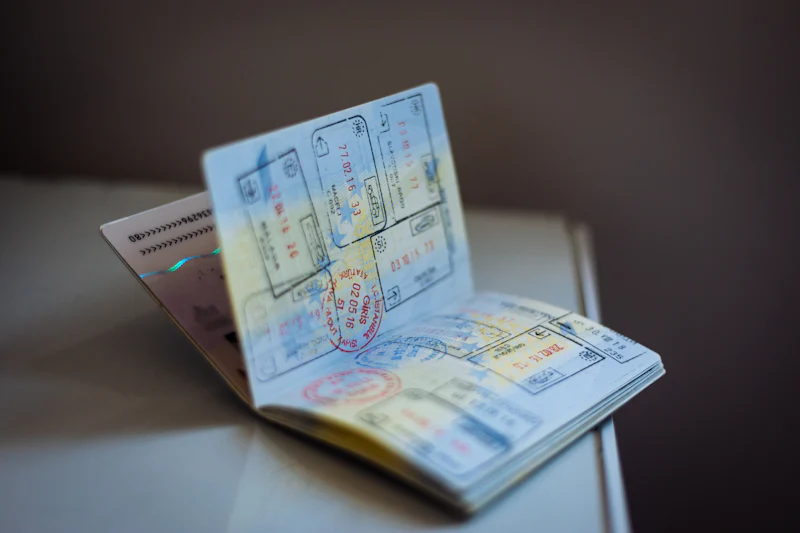
If the old passport is merely expired and the visa and booklet are intact, taking both passports is usually the practical approach. Keep them together in your hand luggage rather than in separate checked bags. At check-in, present the new valid passport for travel and show the old passport containing the China visa when requested. Carrying only the new passport may make it harder for airline staff to verify your visa.
If the old passport is water-damaged, torn, or has loose or unreadable pages, do not treat the new passport as a fix. Airline staff may not accept a damaged booklet even if the visa appears readable. Check with each airline operating a flight, including the carrier handling check-in, rather than relying only on an answer from the final carrier. This is particularly important when changing airlines during a journey. An airline’s acceptance at check-in also does not guarantee a border decision on arrival in China.
Contact the right authority before departure
Send clear photos of the old passport’s identity page, visa page, and damaged areas to the Chinese embassy, consulate, or visa application center responsible for your location. Describe the damage and ask whether you should travel with both passports or apply for a replacement visa. Also ask the airline handling your first flight what documents it will need to check. If departure is close, contact both directly instead of relying only on general webpage guidance.
Mention any passport number change during renewal. Keep written replies with your travel documents, but check whether the airline needs to review the booklet itself; a written answer may not settle every document check. Procedures can vary by location, so follow the current instructions from the visa authority serving your area before making a non-refundable travel plan. For example, someone renewing a passport in Toronto should contact the Chinese visa office responsible for their location rather than assume another country’s consulate will give the same procedural advice.
What People Usually Miss
A visa being present is not proof that a damaged passport will be accepted. The airline checks documents before boarding, while Chinese immigration makes the entry decision. These are separate checks. A readable visa in a badly swollen booklet can still raise concerns, and carrying a clean new passport does not remove damage to the old one.
If you are already in China and the visa has been damaged, check the current visa-reissuance instructions with the local exit-entry administration. Ask which documents are required and whether the old passport must be presented. Do this before surrendering, altering, or discarding the old passport, and keep copies of both passports and the visa page.
The practical distinction is that an intact visa in an expired passport is often manageable with both passports, while a water-damaged booklet calls for case-specific confirmation before travel. If you are unsure, ask the responsible visa authority and every airline on your itinerary before heading to the airport.
Quick Takeaways:
- Carry both passports when the old one is expired and the visa and booklet remain intact and legible.
- Treat damage to the visa page, identity page, or booklet binding as a separate travel risk.
- Ask the Chinese visa authority responsible for your location and each operating airline before travelling with a damaged passport.
- If already in China, check local visa-reissuance instructions before changing or discarding the old passport.
#chinavisa #passportdamage #travelchina