Mould in a rented apartment in China is best handled in two tracks: record what you found, then ask for the source of the damp to be checked, not just the visible patch to be cleaned. This guide is for foreign renters who have discovered mould after moving in. Keep communication in writing, and don’t agree to a repair charge or deposit deduction before documenting the condition and clarifying the plan.
Check the mould and make the area safer
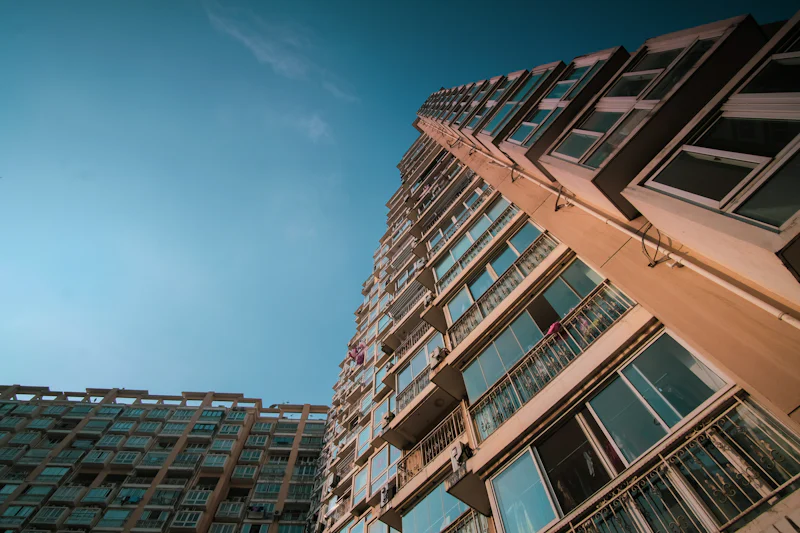
Take a few minutes to assess the situation without disturbing it. Note which rooms and surfaces are affected, whether the wall feels damp, and whether there is a musty smell, a plumbing leak, or water staining. Mould around a window, bathroom pipe, ceiling, or air-conditioner drain may point to different moisture sources. If you live in a Shanghai or Guangzhou apartment during a humid season, condensation is possible—but it doesn’t rule out a leak.
Keep children, pets, and anyone with asthma or other respiratory concerns away from the affected area where practical. Avoid brushing or dry-scrubbing mould, which can spread particles. For a small patch on a hard surface, follow the product label and ventilate the room; wear gloves and avoid mixing cleaning products. Don’t attempt a large, recurring, or hidden infestation yourself. If someone develops concerning symptoms, contact a healthcare professional.
Document the damage before cleaning or repairs
Take wide shots showing where the mould is in the room, then close-ups of the affected area. Include an object for scale, such as a ruler, and record the date. Photograph nearby windows, pipes, ceilings, furniture, and any visible water marks. Save the original files rather than relying only on compressed images sent through chat.
Make a short written log: when you noticed it, whether it changes after rain or showering, whether the area feels wet, and any steps you took to ventilate or clean. If you have move-in photos or an inventory, compare them. This is especially useful if your lease began recently and the landlord later says the damage was caused during your tenancy.
Send the evidence to the landlord or agent on WeChat, email, or another channel you can keep. Ask them to confirm they received it. Keep the lease, move-in checklist, repair messages, receipts, and any agreed repair costs together. This kind of documenting apartment damage in China can help keep a repair conversation clear, even if the parties disagree later.
Ask for an inspection and a lasting repair
Be factual and specific. For example: “I found mould on the bedroom wall beside the window on 12 October. I’ve attached photos. Please arrange an inspection to check for a leak or persistent damp, and let me know the proposed repair and timing.” If useful, add: 墙面有霉斑,请检查是否有渗水 (“There is mould on the wall; please check whether water is seeping in”).
Ask who will inspect, what they think is causing the damp, and whether the repair includes drying the area and fixing the source—not only wiping or painting over the stain. A China landlord mould repair may involve the landlord, building management, or a plumber, depending on whether the cause is inside the unit or involves shared pipes or exterior walls. If an agent manages the apartment, include them, but keep the landlord copied where possible.
Before anyone removes wallpaper, opens a wall, or paints, photograph the affected area again and get the proposed scope and payment responsibility in writing. Don’t hire a contractor and subtract the bill from rent unless the landlord has agreed in writing or you have obtained local advice; lease terms and dispute handling can vary.
Follow up, then use local support if needed
After the visit, send a brief WeChat summary: what was inspected, what work is planned, who is arranging it, and the expected date. Take photos during and after the repair. If the stain returns, record when it reappears and tell the landlord promptly rather than repeatedly cleaning it without a follow-up inspection.
If the landlord or agent stops responding, send one calm written request with the evidence and a reasonable proposed time for a reply. Then check your lease and contact the agency’s manager, building property management, or a local housing-rental service or mediation channel. These options differ by city. A city service hotline such as 12345 may be able to direct you to the relevant local channel, but it does not guarantee a particular outcome.
Avoid stopping rent, changing the locks, or making a deposit deduction on your own. If the dispute involves a significant repair bill, health concern, or threatened deposit loss, ask a local lawyer or legal-aid service to review the lease and evidence before taking a formal step. Keep passport and registration documents secure; they are generally not a substitute for the lease and repair record in a housing dispute.
What People Usually Miss
A clean-looking wall is not proof the problem is fixed. Mould may return if a pipe is still leaking, a wall remains damp, or condensation keeps forming. Ask what source was identified and what was done about it. If the landlord proposes only repainting, politely ask whether the wall will be checked and dried first.
Also, preserve the before-and-after record even if the repair seems minor. In a rented apartment in China, the deposit discussion often happens at move-out, months after the repair. A dated photo set and written agreement about responsibility are more useful then than trying to reconstruct the conversation from memory.
The practical approach is simple: photograph first, report in writing, request a source-focused repair, and keep every agreement. Has mould returned after a repair in your city, and what finally addressed the cause?
Quick Takeaways:
- Photograph the mould, surrounding surfaces, and any moisture before cleaning or repairs.
- Report the location and date to your landlord or agent in writing.
- Ask what caused the damp and whether the repair fixes that source.
- Keep the lease, WeChat messages, receipts, and after-repair photos together.
- Check local mediation options before withholding rent or deducting repair costs.
#livingguide #housing #rentinginchina