If your China visa status says “Passport to be submitted,” your online application has usually passed a preliminary review and the visa office is asking for your passport and specified paperwork. This guide is for applicants preparing to visit the relevant visa office or visa application center; the key point is that this status is not a visa approval. Check the current instructions for the office handling your application before you travel, because requirements and appointment arrangements can differ.
What “Passport to be submitted” usually means
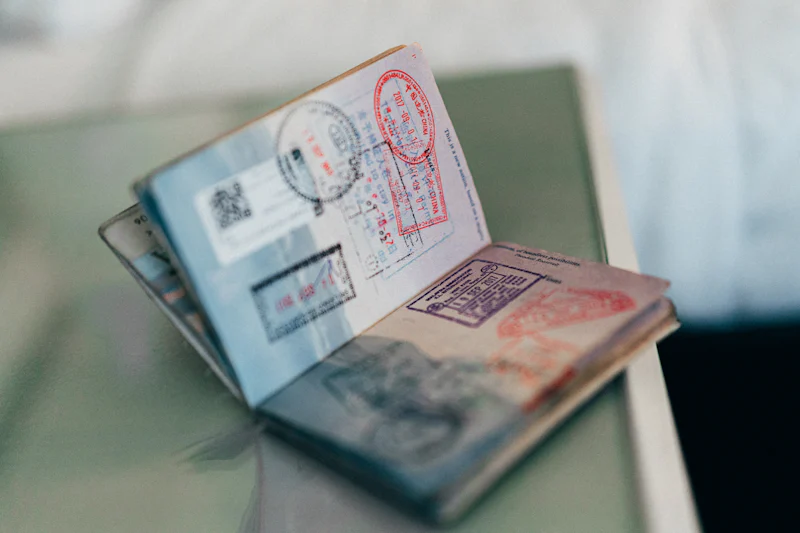
The status generally means the online review has progressed far enough for the next step: handing in the passport used in the application. It does not mean the visa has been issued, that the final decision is guaranteed, or that the processing time is fixed.
After you submit, consular staff may still ask for more documents or an interview. Your passport may be kept while the application is processed, so avoid planning travel that depends on having it available. If you applied through an online system such as COVA, use the application page and the instructions for the specific consular office or visa center shown in your case—not a checklist for a different city or country.
Prepare these documents before leaving home
Use the relevant office’s current checklist as the final authority. A useful starting pack for a passport submission is:
- The original passport used for the application. Check that it is in good condition and that its details match your application.
- A printed application information page showing “Passport to be submitted” and the application barcode. Make sure the barcode prints clearly and is not cropped.
- Any originals specifically requested online, plus copies if the local instructions ask for them. The requirements may depend on your visa category and personal circumstances.
- Previous passports containing relevant Chinese visas or residence permits, if requested. Some offices ask applicants to provide them for verification.
- Application-type documents requested for on-site review. For example, some Q1 or S1 cases may require original proof of the family relationship. Do not assume this applies to every applicant.
- The appointment confirmation or submission notice, if your office requires one, and any case-specific message from the visa system.
Keep the documents together and bring the complete set named in your own instructions. A clear photocopy is not always a substitute for an original document when the office asks to inspect or retain an original.
Check the local office rules before making the trip
The right destination may be a Chinese embassy or consulate visa section, or a China Visa Application Service Center, depending on where you applied. Do not assume that a center in another city can accept your application. Confirm the address, service hours, appointment rule, and submission method for the office linked to your application.
Appointment arrangements can differ: some offices may accept walk-ins for passport submission, while others may require an appointment or a particular booking step. Likewise, do not assume fingerprint collection is required at this visit; follow the instructions for your case and location.
Check whether an agent may submit on your behalf, whether the applicant must attend, and what identification or authorization the office expects. For a foreign resident applying outside their country of citizenship, check whether the local office has asked for evidence of legal stay in that country. A quick check of the current official page can prevent a wasted trip from, for example, a nearby city such as Shanghai or Guangzhou.
What happens after you hand in the passport
Ask for and keep the submission receipt or tracking details. They may be needed to check progress or collect the passport. Follow the collection method offered by your office: pickup and courier options vary, and courier service may not be available for every case or location.
Processing times can vary with the application and the office’s review. Treat any estimate as an estimate, not a guaranteed return date, and avoid booking non-refundable travel around it. If the office requests extra paperwork or an interview, respond through the channel it specifies and check whether the request affects your collection arrangements.
When the passport is ready, inspect the visa details before travelling: check that the name and passport number are correct, along with the visa type, validity dates, and permitted entries. If something appears wrong, contact the issuing office promptly rather than waiting until departure day.
What People Usually Miss
The online status page may not show every document required at the counter. The barcode page and passport are common core items, but a case-specific message or the local office’s separate submission checklist may add originals. This is especially easy to miss when an applicant follows a general guide written for another consulate or assumes the system would list every supporting document.
Also, “passport to be submitted” is a request to continue processing, not confirmation of approval. Handing in your passport does not remove the possibility of additional review, a request for documents, or a different final decision. Save a copy or photo of your application page and submission receipt, and keep your travel plans flexible until you have the passport back and have checked the visa.
In short, print the barcode page, bring the passport and every case-specific original requested, and verify the current rules for your actual office before setting out. Has your local visa office recently changed its appointment, submission, or passport collection process?
Quick Takeaways:
- Treat the status as a passport-submission request, not a visa approval.
- Print the application information page with its status and clear barcode.
- Check your specific office’s appointment, attendance, and document requirements before travelling.
- Keep the submission receipt and confirm the available passport collection method.
#chinavisa #visastatus #visaguide