If you’re planning a stop in mainland China, China 240-hour visa-free transit eligibility depends on more than having a long layover: your passport, route, onward destination, and China ports all need to fit the current rules. This checklist is for travelers deciding whether a real itinerary qualifies; check each part before you buy nonrefundable tickets.
Check the route: country or region → China → somewhere different
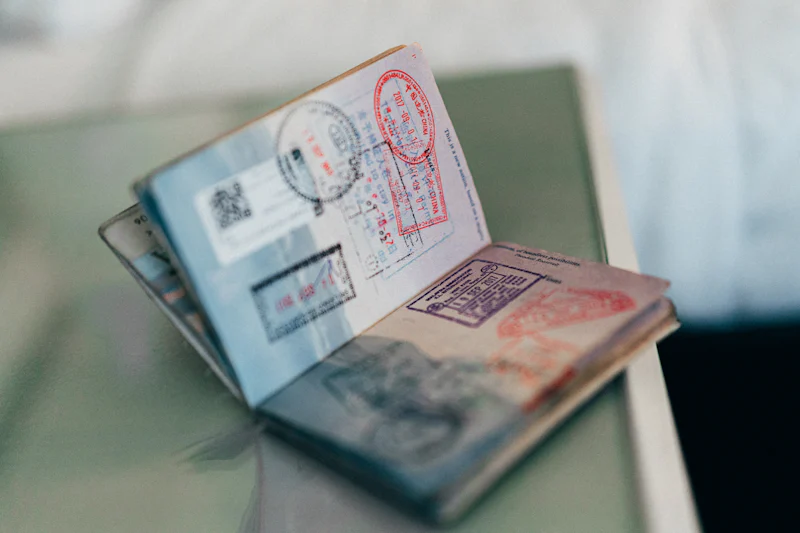
The basic itinerary is travel from one country or region, through mainland China, and onward to a different country or region. A return trip such as Tokyo → Shanghai → Tokyo normally does not meet that transit pattern, even if the stop in China is only a few days.
By contrast, London → Beijing → Hong Kong may fit the route requirement, because Hong Kong is a separate region from mainland China. Hong Kong, Macao, and Taiwan can be relevant as distinct regions in transit itineraries, but check your exact routing against current official guidance rather than assuming every ticket combination qualifies.
A domestic flight inside China does not turn a round trip into a qualifying transit. For example, Paris → Shanghai → Chengdu → Paris still ends in the same country or region from which the traveler started. The key is the international journey before and after mainland China—not how many Chinese cities appear on the booking.
Confirm your passport is on the current eligible list
The 240-hour policy is available only to nationals of listed countries, and the list can change. Check the National Immigration Administration (NIA) or a Chinese embassy or consulate shortly before travel; older guides may show a different country count or an outdated list. Do not assume that eligibility for another Chinese visa-free arrangement also means eligibility for transit.
Check the passport you will actually present at the border. The policy is described for eligible foreign nationals holding valid international travel documents, and requirements can depend on nationality and document type. If you hold more than one passport, make sure the ticket, destination visa (if needed), and travel documents you present tell a consistent story. Ask the airline and the relevant Chinese authority if your document is unusual or your eligibility is unclear.
Match both China ports and your planned route
Your entry and exit points must be covered by the current China transit entry and exit ports rules. Check the official list for both ends of the China stay: flying into Beijing does not by itself confirm that a later departure from a different airport or border crossing is eligible.
Also check where you plan to go after landing. The policy permits travel in designated areas, which may cover more than one province-level area, but that does not mean every city or route is automatically included. A traveler arriving in Shanghai and taking a train to another region should verify that the destination and the relevant ports are allowed. A listed airport and an allowed travel area are separate checks.
Use the latest NIA information for the port list and permitted areas. If your itinerary includes a train, ferry, land crossing, or a change of airport, confirm that the specific port and connection work under the policy. Don’t rely only on a flight-search result or an old travel blog.
Check the onward ticket and the 240-hour window
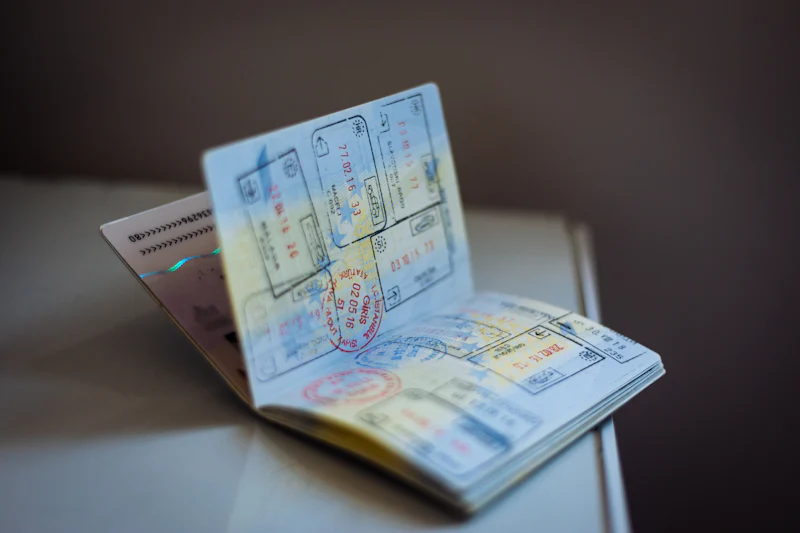
You need confirmed onward travel to the different country or region, within the permitted stay. Keep a clear itinerary showing dates, destinations, and confirmed seats. A single booking can make the route easier to explain, but it does not fix an itinerary that returns to the origin country or uses an ineligible port. If you booked separate tickets, carry every confirmation so the full route is easy to follow.
The maximum stay is up to 240 hours (10 days), but don’t calculate it as simply “ten nights in a hotel.” The official time-counting method matters, and your arrival and departure times can make a tight schedule risky. Leave a buffer for delays and confirm how the limit applies to your arrival date with the airline or Chinese immigration authorities before travel.
What People Usually Miss
Travelers often focus on whether their nationality qualifies and overlook the whole A → China → B itinerary. The country or region where the international journey begins matters even when all flights are on one reservation. So do the specific China ports: changing a connection from an eligible airport to a different port may affect the result.
Another common gap is assuming that “visa-free transit” means permission for any activity. The 240-hour policy is for transit visits; work, study, or other activities requiring prior approval are not made permissible by a short stay. If your purpose is more than a visit while passing through, check the appropriate visa or permission before departure.
Carry proof and get a check before you fly
Keep your passport, onward ticket, full flight or train itinerary, and any visa or other entry permission required for your onward destination together and accessible. You may also want hotel details and a simple explanation of your route. At check-in, ask the airline to verify that it can board you for the transit arrangement; airlines may check documents before departure. The final decision on entry is made by Chinese border inspection authorities, so airline approval is not a guarantee.
If any part is uncertain—nationality, destination, port, travel area, or timing—confirm it with the NIA or a Chinese embassy or consulate before booking. If your itinerary does not clearly qualify, arrange the appropriate visa rather than relying on a last-minute exception.
A reliable check is simple: eligible passport, qualifying A → China → B route, permitted ports and travel area, and confirmed onward travel within the limit. Has anyone recently used the 240-hour policy with separate tickets or a cross-region China route, and what did the airline check?
Quick Takeaways:
- Check that your China stop connects different countries or regions, not a return to your origin.
- Verify your passport nationality against the current NIA eligibility list before purchasing tickets.
- Confirm both China ports and every planned destination are permitted under current transit rules.
- Carry confirmed onward tickets and any visa required for your next destination.
#chinatransit #visafreechina #chinatravel