The 144-hour visa-free transit in China is a streamlined program allowing travelers from 54 eligible countries to stay in specific regions for up to six days without a formal visa, provided they are traveling to a third country or region. The most critical rule to remember is the 'one country' policy: your transit route must be A to China to B, where A and B are different countries or regions. If you are flying from Hong Kong to a mainland city, you are eligible, but returning to the same point of origin disqualifies you from this specific program.
Understanding the Transit Route Requirements
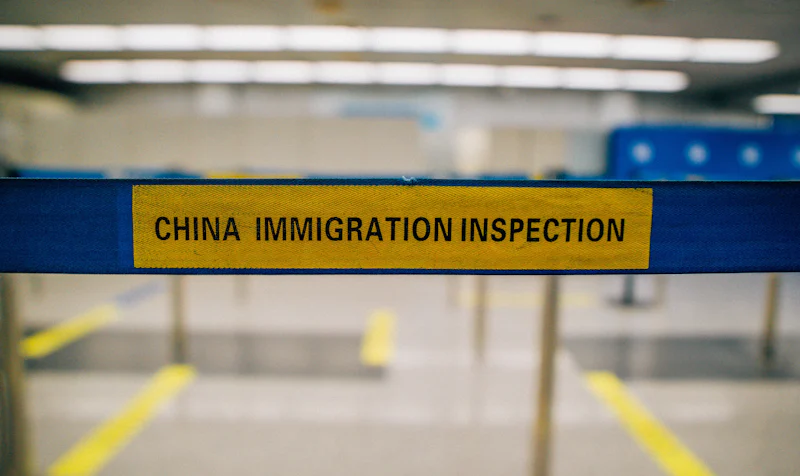
To successfully utilize the 144-hour visa-free transit, you must possess a confirmed ticket for travel to a third country or region with a scheduled departure time within 144 hours. This means your flight, ferry, or train ticket must show your arrival in China from one place and your departure to another. A common mistake travelers make involves transiting through Hong Kong. Since Hong Kong is considered a separate region for immigration purposes, arriving in Shanghai from Hong Kong and returning to Hong Kong is technically a loop. To remain eligible, your final destination after China must be a third location, such as Tokyo or Singapore, not your initial starting point.
Navigating Port of Entry Restrictions
Not every city in China offers this program, and your point of entry determines your allowed area of travel. For example, if you arrive in the Shanghai-Jiangsu-Zhejiang region, you may move freely within these three provincial-level jurisdictions. However, you cannot use this visa-free entry to travel to Beijing and then fly out of Shanghai. You must arrive at and depart from ports located within the specific, designated area assigned to your permit. Always check the official 出入境管理 (Exit-Entry Administration) website for the most current list of valid ports and allowed geographical zones.
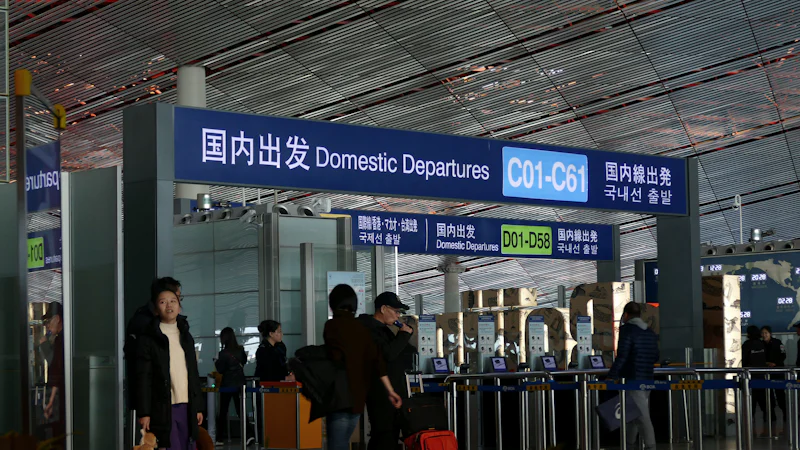
Essential Documentation and Preparation
When you arrive at the port, you will need to fill out a specialized arrival card for foreign transit passengers. Have your confirmed flight or transport itinerary printed in English, as officials require clear proof of your onward travel within the 144-hour window. It is also highly recommended to carry a hotel booking confirmation or a letter of invitation if you are staying with friends, as immigration officers may request proof of your temporary residence registration, known as 住宿登记 (Accommodation Registration). Keep your passport accessible, ensuring it has at least three months of validity remaining.
Common Pitfalls and Travel Tips
Many travelers encounter issues when using high-speed rail (高铁) because they assume all transit points are interconnected. While some cities are part of a combined transit zone, you cannot simply cross provincial borders if they are not part of your specific authorized region. Additionally, ensure your travel documents are consistent. If you book a ticket under a different name or passport number, the automated systems will flag your entry, leading to significant delays. Finally, always have your departure ticket saved in a digital format or printed, as internet access might be limited immediately upon landing.
The core of the 144-hour policy is proving your journey is a genuine transit between two distinct international destinations. What is the most challenging part you have faced when organizing your transit documents for a trip to China?
Quick Takeaways:
- Ensure your itinerary follows an A to China to B route structure.
- Only travel within the specific provincial zones authorized by your entry port.
- Keep printed copies of all your onward flight or train tickets ready.
- Verify your passport has at least three months of remaining validity left.
#visafree #chinatravel #transitvisa
