Navigating Chinese dining etiquette as a foreigner is less about following rigid rules and more about demonstrating respect through communal awareness. The golden rule is to prioritize the collective experience over individual comfort. Whether you are at a casual neighborhood 饭馆 (fànguǎn - small restaurant) or a high-stakes business dinner, your goal is to show humility and social intelligence. By understanding the underlying principles of hierarchy and hospitality, you will avoid common faux pas and build stronger rapport with your Chinese hosts or colleagues.
Understanding the Hierarchy of Seating
In China, the seating arrangement follows strict protocol, particularly during formal business meals. The seat of honor, known as the 主位 (zhǔwèi - main seat), is always facing the door or the center of the room. The host or the most senior guest occupies this position. As a foreign guest, you may be ushered into this seat as a gesture of respect. While it is polite to decline once or twice, you should eventually accept if the host insists. Avoid sitting before the host, and do not start eating until the host offers a toast or signals that the meal has begun.
Mastering Chopstick and Table Manners
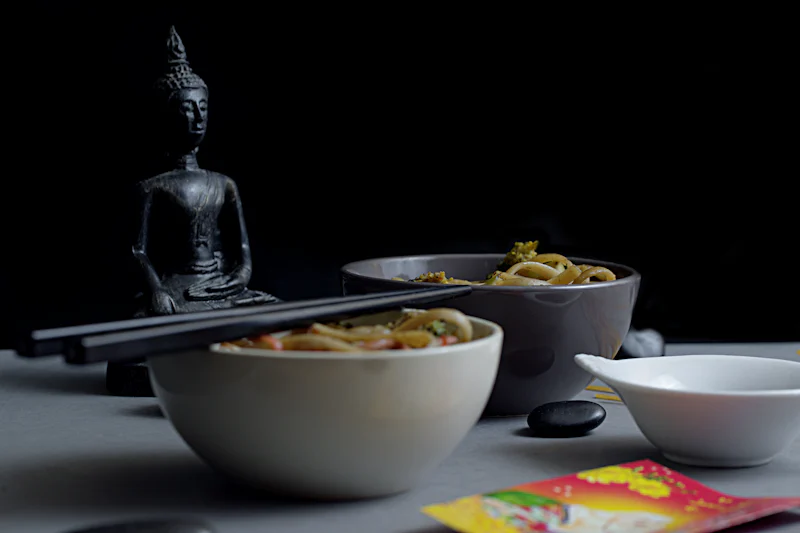
Chopsticks are tools for eating, not for gesturing or playing. The most critical rule is never to stick them vertically into a bowl of rice, as this resembles incense sticks burned for the deceased and is considered a bad omen. When not in use, place your chopsticks on the 筷架 (kuàijià - chopstick rest) or across the top of your bowl. If you are struggling, it is acceptable to ask for a fork, but attempting to use chopsticks shows cultural interest and effort. Furthermore, always serve others before yourself. If you are pouring drinks, hold the bottle with both hands as a sign of respect, and fill glasses only until they are nearly full, as topping off a drink is a sign of hospitality.
Navigating Tipping and Payments
One common misconception is the need to tip. Tipping is not a cultural norm in China, and leaving money on the table is often seen as confusing or even offensive, as it implies the staff is not being paid well. In the rare event of a high-end service charge in a five-star hotel, it is already included in the bill. When the time comes to pay, the 抢单 (qiǎngdān - bill-snatching) culture is common. Friends or colleagues will often compete to pay the bill. If you are the guest, it is polite to offer to contribute, but do not force the issue if the host is adamant about covering the cost. Use your 微信 (Wēixìn - WeChat) or 支付宝 (Zhīfùbǎo - Alipay) to settle payments efficiently, as cash is becoming less common.
Engaging in the Business Toast
Business dinners often center around the act of 干杯 (gānbēi - bottoms up). When toasting, ensure your glass is held lower than the glass of your superior or the person you wish to honor; this physical lowering of the vessel signifies that you are the junior or humble party in the interaction. It is not necessary to drink excessive amounts of 白酒 (báijiǔ - white spirit) if you do not want to; simply touching your glass to the table or taking a polite sip is usually accepted if you state you are unable to drink more.
Respect for these dining customs serves as a silent language of professionalism and cultural appreciation that can significantly improve your social and business standing.
What is the most awkward or surprising dining experience you have had since arriving in China?
Quick Takeaways:
- Never stick chopsticks vertically into rice as it resembles a death ritual.
- Tipping is not expected or standard; do not leave cash on tables.
- Hold your glass lower than your host's glass during group toasting ceremonies.
- Let the host lead the meal progression and always offer to help others.
#chineseculture #diningetiquette #expatlife
