Navigating domestic air travel in China is efficient if you prioritize preparation, as the system relies heavily on digital integration and strict adherence to airport security protocols. The most critical aspect of flying within the country is acknowledging that flight delays are common due to airspace management, which makes having a contingency plan essential for every trip. By understanding how to manage your digital credentials, luggage allowances, and security wait times, you can minimize the stress of commuting between China’s massive urban hubs.
Managing Common Flight Delays
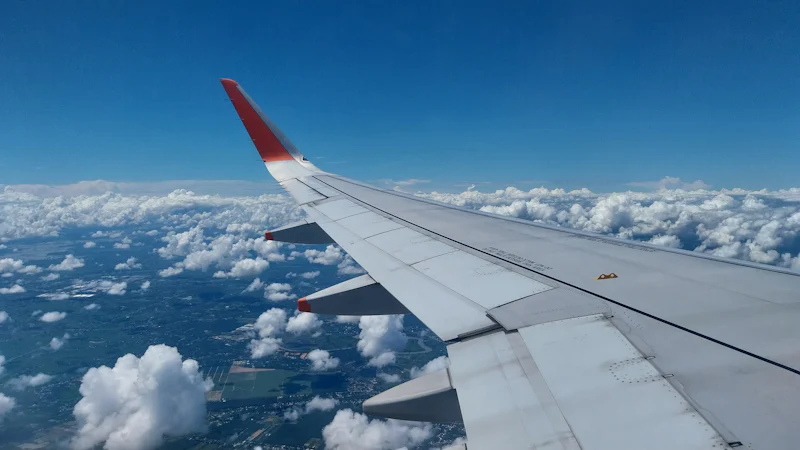
Flight delays in China are often attributed to air traffic control regulations. When a delay occurs, the airline will provide status updates via the app you used to book, such as 携程 (Ctrip) or 飞猪 (Fliggy). If your flight is delayed significantly, do not wait at the gate blindly. Use the 航旅纵横 (Umetrip) app, which is the most reliable tool for real-time data directly from the Civil Aviation Administration of China. If a flight is canceled or delayed overnight, the airline is usually required to provide meals or hotel accommodation, but you must proactively visit the airline service counter to claim these rights. Always keep a power bank with at least 20,000mAh capacity in your carry-on, as power outlets are often sparse in busy terminals.
Navigating Airport Security Protocols
Chinese airport security is exceptionally rigorous. You must present your physical passport at every checkpoint, as digital copies are generally not accepted for identity verification. Security staff will strictly enforce the prohibition of power banks that lack clear labeling or exceed 160Wh. If you are carrying a lithium battery, ensure the capacity label is legible; if the label is worn off, security will confiscate the item regardless of its actual capacity. Liquids, gels, and aerosols must be in containers of 100ml or less and placed in a transparent, resealable bag. Interestingly, you can bring a single cigarette lighter through security at many airports, but matches and torch lighters are strictly forbidden.

Optimizing Baggage Allowances
Domestic carriers often have different baggage policies compared to international flights. While economy class typically allows for 20kg of checked luggage, budget airlines like 春秋航空 (Spring Airlines) may restrict this to 15kg or even 0kg depending on the fare tier. Before arriving at the airport, weigh your bags using a portable scale. If you are traveling with large equipment or musical instruments, check the airline’s official policy at least 48 hours in advance, as some items require special handling or advance notification to be placed in the cargo hold. Always tag your bags with your contact information, using a phone number that is currently active with a Chinese SIM card.
Digital Tools for Smooth Travel
Your most powerful travel companion is 支付宝 (Alipay) or 微信 (WeChat). These apps integrate with your travel itinerary to provide boarding gate changes and baggage claim information. Before leaving for the airport, ensure your identity information is synced within your airline's mini-program. This allows for smoother check-ins at self-service kiosks. Remember that check-in counters typically close 45 minutes before departure, so aim to arrive at the terminal two hours early to account for potential security queues.
Mastering domestic travel in China requires proactive monitoring of flight status and strict adherence to security rules regarding lithium batteries and documentation. What has been your most effective strategy for managing unexpected flight delays while traveling between provinces?
Quick Takeaways:
- Use the Umetrip app for the most accurate real-time flight status and delay updates.
- Keep power banks under 160Wh and ensure capacity labels are clearly visible for security.
- Check your specific airline's baggage allowance as budget carriers often have stricter weight limits.
- Always carry your physical passport and arrive at the terminal two hours before departure.
#travelchina #domesticflights #expattips
