Authentic Chinese food feels worlds apart from the Westernized versions found in the US or Europe because the latter was born out of survival and localization, while the former is defined by strictly defined regional culinary traditions. When early Chinese immigrants arrived in North America in the 19th century, they adapted their recipes to suit local ingredients and restricted palates, prioritizing sweetness and deep-frying to make dishes more palatable for local diners. Understanding this history helps bridge the gap between your expectations and the reality of eating in China, where flavor profiles are far more complex and diverse.
The Evolution of Adaptation
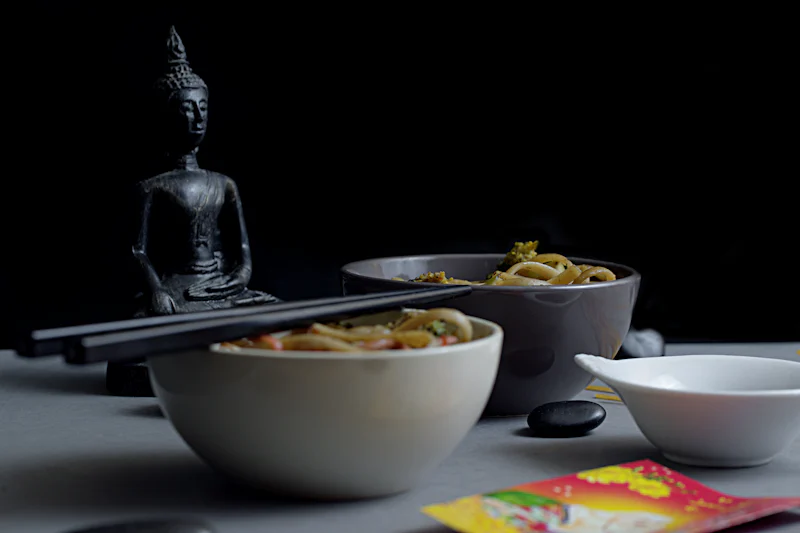
Chinese-American cuisine, often categorized as 'Cantonese-style,' evolved in environments where authentic ingredients like 花椒 (Sichuan peppercorns) or specific dried mushrooms were unavailable. To compensate, chefs utilized available staples such as broccoli, carrots, and higher quantities of sugar and soy sauce. This process, often called 'culinary adaptation,' resulted in the creation of dishes like General Tso’s chicken—a creation virtually unknown in China. In contrast, regional Chinese cuisine is highly specific to geography. For instance, 川菜 (Sichuan cuisine) relies heavily on the 'numbing' sensation of peppercorns, while 粤菜 (Cantonese cuisine) focuses on the 'freshness' of steamed ingredients. These differences aren't just about taste; they are about centuries of climate-driven agricultural history.
Understanding Regional Flavor Profiles
When navigating a menu in China, it helps to categorize your expectations by province. Northern food (such as Beijing) relies heavily on wheat-based products like 饺子 (dumplings) and noodles, often flavored with garlic and vinegar. If you are accustomed to the sweet, sticky sauces of Western-style Chinese takeout, you might find northern cuisine surprisingly salty or blunt. Moving south, 湘菜 (Hunan cuisine) is noted for its dry, spicy heat, which differs significantly from the oily, numbing heat of Sichuan. Expecting a single 'Chinese food' category is the primary cause of expat food shock. Recognizing these distinctions allows you to order with intent rather than guessing.
Bridging the Gap in Restaurants
To explore authentic flavors, start by looking for small, specialty shops rather than expansive menus. If a restaurant claims to serve everything from Peking Duck to spicy mapo tofu, it is often a sign of a tourist-focused establishment. Look for places that specialize in one or two specific categories of food—a 'noodle shop' or a 'dumpling house' will almost always provide a more genuine experience. Utilize tools like 大众点评 (Dazhong Dianping) to read reviews from locals, which can help you identify signature dishes that represent the authentic profile of a region rather than those adjusted for international tastes.
Embracing New Culinary Standards
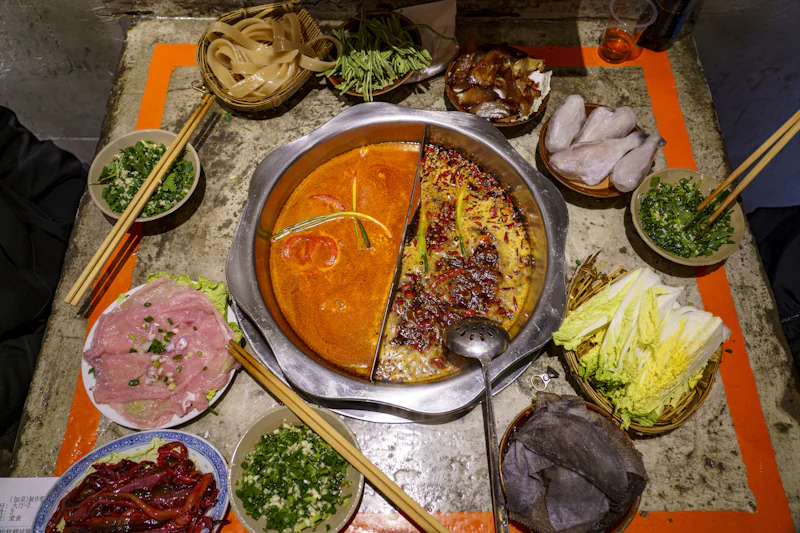
Adjusting to authentic Chinese food requires moving away from the idea of a 'balanced meal' in the Western sense of protein-carb-veg. In China, communal dining is the norm, and dishes are shared to create a harmony of textures and flavors across the table. You might find yourself eating cold appetizers, spicy braised meats, and clear soups in one sitting. This structure is intentional, designed to stimulate the palate through variety. Embrace the texture—many traditional dishes celebrate the 'crunch' or 'gelatinous' quality of ingredients that Western palettes often overlook. Once you identify your preferred regional style, you will find that the culinary variety in China is far more rewarding than the standardized, sweeter versions found abroad.
Authentic Chinese dining is defined by regional identity and communal sharing, requiring you to abandon your search for Westernized adaptations in favor of local, ingredient-focused specialties. What is the most surprising ingredient or flavor profile you encountered after moving to China?
Quick Takeaways:
- Distinguish between Westernized sweet dishes and authentic regional flavors like Sichuan or Hunan heat
- Use the app 大众点评 (Dazhong Dianping) to find authentic shops favored by local residents
- Focus on restaurants specializing in one specific dish type for a higher-quality experience
- Embrace diverse textures and communal sharing to understand the core of Chinese culinary culture
#cultureandlang #chinesefood #expatlife
